

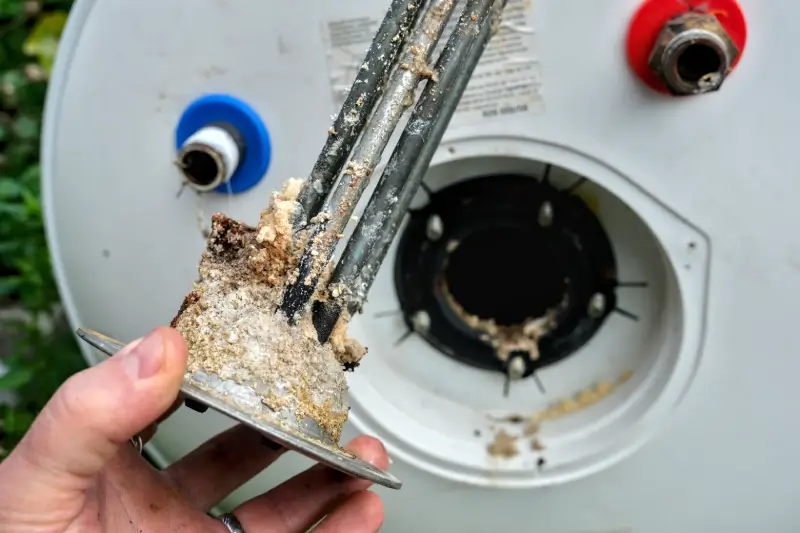
When Your Water Heater Starts Making Strange Noises, Sediment Could Be the Reason
If you’ve noticed rumbling sounds, inconsistent hot water, or rising energy bills, sediment in water heater systems could be the cause. Over time, naturally occurring minerals in the water settle at the bottom of the tank, creating a layer of buildup that affects heating performance and places additional strain on the system. Understanding why sediment forms, how it impacts your water heater, and when it should be removed can help extend the life of your equipment and improve its efficiency.
What Causes Sediment to Build Up in a Water Heater?
Most homes receive water that contains naturally occurring minerals, such as calcium and magnesium. As your water heater repeatedly heats and stores water, these minerals gradually settle to the bottom of the tank, leading to water heater sediment buildup.
The process happens slowly over time, making it easy for homeowners to overlook until the accumulation begins affecting the system’s performance. Homes with harder water may experience faster buildup, although any storage tank water heater can eventually develop sediment.
What Are the Signs of Sediment in a Hot Water Tank?
As sediment accumulates, your water heater may begin showing noticeable changes in performance. Some of the most common water heater sediment symptoms include:
- Reduced hot water supply
- Longer heating times
- Fluctuating water temperatures
- Higher energy consumption
- Rumbling or popping noise coming from the tank
- Premature wear on heating components
These warning signs often become more noticeable as the sediment layer thickens, making routine maintenance increasingly important.
How Does Sediment Affect Your Water Heater?
Sediment acts as a barrier between the heat source and the water inside the tank. As the layer becomes thicker, the water heater must work harder and run longer to heat the same amount of water.
This added strain can reduce efficiency, increase operating costs, and place unnecessary stress on internal components. Excessive mineral scale may also contribute to overheating in certain areas of the tank, accelerating normal wear over time.
Can Sediment Be Removed from a Water Heater?
In many cases, homeowners can remove sediment from water heater systems through routine tank flushing. Flushing helps wash loose mineral deposits out of the tank before they become heavily compacted.
The process typically involves shutting off the unit, connecting a hose to the drain valve, and allowing water to flow from the tank until much of the loose sediment has been removed. If buildup has been present for an extended period or the water heater shows signs of reduced performance after flushing, a professional inspection may be recommended to determine whether additional service is needed.
How Often Should a Water Heater Be Flushed?
The ideal maintenance schedule depends on factors such as water quality, mineral content, and how frequently the water heater is used. Many homeowners benefit from periodic tank flushing to help minimise sediment accumulation and maintain consistent performance.
Following the manufacturer’s maintenance recommendations and having your water heater inspected when necessary can help reduce the impact of long-term sediment buildup.
When Should You Call a Professional?
While routine maintenance can help manage sediment, some situations require professional attention. If your water heater continues making loud noises, produces insufficient hot water, or shows signs of declining efficiency after maintenance, further evaluation may be necessary.
A professional plumber can assess the condition of the tank, identify whether sediment is affecting performance, and recommend the most appropriate solution based on the age and condition of the system.
Need help dealing with sediment in water heater systems? Contact Hale Home Services for professional water heater solutions and maintenance throughout Utah.
Frequently Asked Questions
Can sediment damage a water heater if it isn’t removed?
Yes. As sediment in water heater systems continues to accumulate, it can reduce heating efficiency, increase wear on internal components, and shorten the unit’s lifespan if left unaddressed.
Does hard water cause sediment to build up faster?
Yes. Hard water contains higher concentrations of minerals such as calcium and magnesium, which can accelerate water heater sediment buildup compared to softer water.
Can sediment affect water quality?
Sediment inside a water heater primarily affects heating performance rather than the quality of your drinking water. However, excessive mineral deposits may sometimes contribute to discoloured hot water or affect its appearance.
Can sediment shorten the lifespan of a water heater?
Yes. As mineral deposits accumulate, the water heater must work harder to heat water, placing additional strain on the tank and other components. Routine maintenance can help reduce unnecessary wear over time.
Can I prevent sediment from building up in my water heater?
While water heater sediment buildup cannot always be prevented completely, routine maintenance, periodic flushing, and addressing hard water conditions where appropriate can help slow the accumulation of mineral deposits.
Is sediment buildup covered under a water heater warranty?
Warranty coverage varies by manufacturer. Some warranties require routine maintenance to remain valid, so it’s important to review the terms and maintenance requirements for your specific water heater.
Can sediment cause my energy bills to increase?
Yes. As sediment forms an insulating layer inside the tank, the water heater often runs longer to heat the water, which may increase energy consumption and operating costs.
Is sediment buildup more common in gas or electric water heaters?
Both gas and electric storage tank water heaters can develop sediment over time. While the symptoms may vary, regular maintenance is important for either type of system.
Does a tankless water heater develop sediment?
Tankless water heaters can develop mineral scale inside the heat exchanger, particularly in hard water areas. Although they don’t experience sediment in hot water tank systems, periodic descaling helps maintain performance.
Who can help remove sediment from a water heater in Utah?
If you’re experiencing water heater sediment symptoms or need help managing sediment in water heater systems, Hale Home Services provides professional water heater services for homeowners throughout Utah.
