

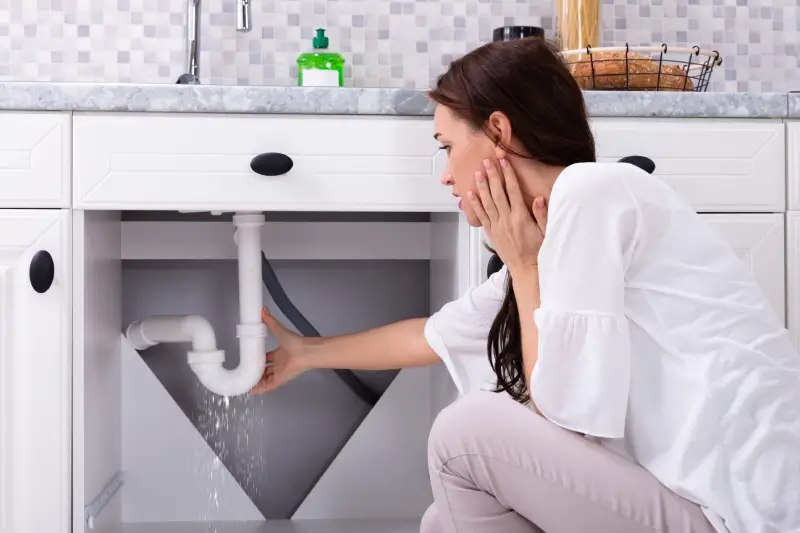
Finding the Source of a Leak Under Your Kitchen Sink
A leak under kitchen sink cabinets can quickly lead to water damage, warped cabinetry, and unwanted moisture if it’s left unaddressed. While the leak may appear to come from a single location, water often travels along pipes or fittings before collecting beneath the sink, making it difficult to identify the true source.
Knowing where to look is the first step in stopping an under-sink leak. From loose plumbing connections to worn components, understanding the most common leak locations can help homeowners recognize the problem early and determine when professional plumbing assistance may be needed.
What Causes a Leak Under the Kitchen Sink?
A leak under kitchen sink cabinets can develop for several reasons, even if the plumbing has worked properly for years. Everyday use, normal wear, and gradual loosening of plumbing connections can all allow water to escape beneath the sink.
Leaks commonly occur because seals wear out, fittings become loose, plumbing components deteriorate over time, or repeated movement places stress on connections. Since water often travels along pipes before dripping into the cabinet, the visible puddle isn’t always located directly beneath the source of the leak.
Where Should You Check First?
When investigating a cabinet leak under the sink, begin by locating where water is first appearing rather than where it has collected. Starting at the highest point of visible moisture and working downward can make it easier to identify the source.
Inspect these common leak locations:
- The P-trap beneath the drain
- The supply lines connected to the faucet
- The basket strainer where the sink drain meets the basin
- Plumbing fittings secured with compression nuts
- The cabinet base for signs of recurring moisture or water staining
Can You Stop a Small Leak Under the Sink Yourself?
Some minor leak problems under the sink may involve a loose plumbing connection that can be identified during a visual inspection. However, not every leak has the same cause, and tightening plumbing fittings without identifying the source may not resolve the issue.
If the leak continues, worsens, or the source cannot be identified, professional evaluation can help prevent additional water damage beneath the sink and inside the surrounding cabinetry.
Why Does a Kitchen Sink Leak Only During Certain Situations?
A leak under kitchen sink cabinets isn’t always constant. Some plumbing leaks occur only when water is flowing through a specific part of the system, which is why the cabinet may stay completely dry most of the day before suddenly becoming wet.
For example, a leak that appears while the faucet is running may involve a pressurized water connection, such as a supply line. If water only appears while the sink is draining, the leak may be associated with the P-trap, basket strainer, or another drain component that only carries wastewater during use. Homes with a dishwasher connected to the kitchen plumbing may also experience leaks that occur only during the appliance’s drain cycle.
Understanding when a leak occurs can provide useful context because different plumbing components are used at different times. A leak that appears only during certain activities often points to a specific section of the plumbing system, while a constant leak may indicate a different type of plumbing issue altogether.
When Should You Call a Plumber?
Professional plumbing service is recommended if:
- The leak under the kitchen sink continues after basic inspection
- Water repeatedly returns inside the cabinet
- Multiple plumbing connections appear to be leaking
- Cabinet materials show signs of swelling or water damage
- The source of the leak cannot be identified
A plumber can inspect the plumbing beneath the sink, determine which component is leaking, and recommend the appropriate repair based on the condition of the plumbing system.
Need help with a leak under your sink? Contact Hale Home Services for professional plumbing solutions throughout Utah.
Mistakes to Avoid When You Discover a Leak Under the Kitchen Sink
Discovering a leak under kitchen sink cabinets can be frustrating, but acting too quickly — or ignoring the problem — can sometimes make the situation worse. Taking the right approach can help limit water damage while making it easier to resolve the underlying plumbing issue.
Common mistakes to avoid include:
- Ignoring a slow drip. Even a small leak under the sink can cause ongoing moisture that damages cabinets, flooring, or nearby materials over time.
- Using the sink as usual. Continuing to run water may allow additional water to collect inside the cabinet until the source of the leak is addressed.
- Tightening every plumbing connection. Components such as a compression nut should only be adjusted when they are confirmed to be the source of the problem. Tightening the wrong fitting may not stop the leak and could create additional issues.
- Overlooking hidden moisture. Water often travels along pipes before dripping into the cabinet, so drying the visible puddle doesn’t always mean the leak has stopped.
- Delaying professional repairs. If the leak persists or the source isn’t obvious, prompt plumbing service can help prevent more extensive water damage and identify the component that requires repair.
Frequently Asked Questions
Can a leak under the kitchen sink increase my water bill?
Yes. Even a slow leak under kitchen sink plumbing can waste water over time. While a small drip may not have an immediate impact, an ongoing leak can gradually increase water usage if it isn’t repaired.
Why does my kitchen sink cabinet stay damp even after I wipe it dry?
Moisture may continue to return if the plumbing leak is still active or if water has soaked into cabinet materials. Hidden moisture can remain trapped even after visible water has been removed.
Can a leak under the sink attract pests?
Yes. Damp areas inside kitchen cabinets may attract insects or other pests looking for a reliable source of moisture, especially if the leak continues for an extended period.
Can I still use my dishwasher if the leak is under the kitchen sink?
That depends on the source of the leak. Because many dishwashers share plumbing connections beneath the kitchen sink, it’s best to determine where the water is coming from before continuing to use the appliance.
How can I tell if the leak has been there for a long time?
Signs of a long-term leak may include warped cabinet materials, discoloration, musty odours, peeling finishes, or visible mold and mildew caused by prolonged moisture exposure.
Can hard water contribute to plumbing leaks under the sink?
Over time, mineral deposits from hard water may contribute to wear on plumbing fixtures and connections. While hard water isn’t always the direct cause of a leak, it can shorten the lifespan of some plumbing components.
Should I replace the damaged cabinet after fixing the leak?
Not always. Minor moisture damage may dry without lasting effects, while cabinets that have swollen, weakened, or developed mold may require repair or replacement after the plumbing issue has been resolved.
Are plumbing leaks under the sink more common in older homes?
They can be. Older plumbing systems may experience normal wear over time, increasing the likelihood of leaks developing at fittings, seals, or other plumbing connections.
Can seasonal temperature changes affect plumbing beneath the sink?
Yes. Plumbing materials naturally expand and contract as temperatures change. Over time, this movement may contribute to wear on seals and fittings, particularly in older plumbing systems.
Who repairs a leak under a kitchen sink in Utah?
If you’re dealing with a leak under a kitchen sink, Hale Home Services provides professional plumbing services throughout Utah.
