

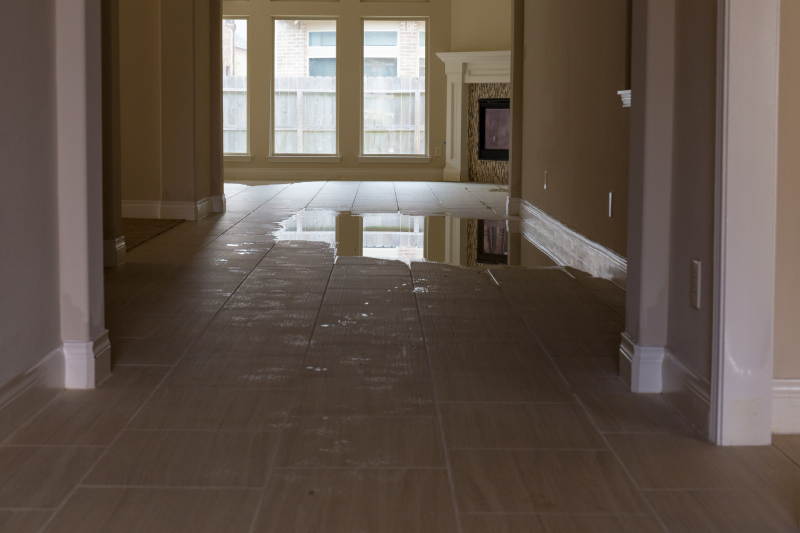
Stop Hidden Water Damage
You get your water bill in the mail and do a double-take. It’s $40 higher than last month — and nothing changed. No extra showers, no guests, no garden hose left running overnight. So where is that water going?
This is one of the most common calls we receive at Hale Home Services in Salt Lake City. Homeowners sense something is wrong, but a hidden pipe leak is, by definition, invisible. It’s happening behind drywall, under a concrete slab, beneath a floor tile, or deep in the soil outside your foundation — and it can go on for months without a single visible drip.
Knowing how to find a water leak in your house before it becomes a catastrophe is one of the most valuable skills a homeowner can have. In this guide, you’ll learn eight field-tested water leak detection methods that our Salt Lake City plumbers use and recommend, plus the warning signs most homeowners miss entirely.
What Is a Hidden Water Leak?
A hidden water leak is any undetected loss of water from your home’s plumbing system that occurs out of sight — inside walls, under floors, beneath the slab foundation, or underground in service lines. Unlike a dripping faucet you can hear or see, hidden pipe leaks don’t announce themselves. They’re identified indirectly: through your water meter, your utility bill, moisture readings, or the telltale signs of a water leak in the house that surface weeks or months after the leak begins.
Hidden leaks are categorized broadly as:
- Pressurized supply line leaks — water escaping from pipes carrying water to fixtures
- Slab leaks — supply or drain leaks occurring beneath your concrete floor
- Behind-wall leaks — leaks in pipes routed inside interior or exterior wall cavities
- Underground leaks — leaks in the main service line between the city meter and your home
Each type has its own warning signs, detection approach, and repair complexity.
Why Finding a Water Leak in Your House Matters More Than You Think
Here’s a number worth stopping at: according to the U.S. Environmental Protection Agency, the average household wastes nearly 10,000 gallons of water every year from leaks alone — and 10% of homes have leaks serious enough to waste 90 or more gallons per day. That’s not a slow drip. That’s a steady, silent flood.
Beyond the water bill, the real cost of undetected leaks is structural. Water that seeps into wall framing, insulation, and subflooring doesn’t dry out — it breeds mold, softens wood, and compromises the integrity of surfaces that cost thousands to restore. In Utah’s climate, where homes sit on expansive clay soils, a slab leak can cause differential foundation movement that becomes one of the most expensive repairs a homeowner will ever face.
“The most damaging leaks in a home are the ones you don’t know about. By the time you see visible damage, the real problem is already weeks old.” — Hale Home Services plumbing team
Moisture damage detection early isn’t just about saving water. It’s about protecting the long-term value of your home.
8 Methods to Find a Water Leak in Your House
1. Read Your Water Meter — Twice
This is the fastest, most reliable first step in any leak investigation. Shut off every water fixture in your home — every faucet, appliance, and irrigation zone. Locate your water meter (typically near the street or curb) and note the current reading. Wait two hours without using any water. Check the meter again.
If the reading has changed at all, water is escaping your system somewhere. Even a slight movement of the low-flow indicator (a small triangle or dial on the meter face) confirms an active leak. This test is especially effective for detecting hidden pipe leaks that produce no visible symptoms inside the home.
2. Check Your Water Bill History
Pull up three to six months of water bills and look for an upward trend that doesn’t match any change in household behavior. A leak doesn’t have to be dramatic to be expensive — a steady increase of even 20–30 gallons per day will show up clearly over a billing period.
This is often how our customers in Salt Lake City and the surrounding Draper and Murray areas first suspect a problem. They notice the bill climbing in January — when no outdoor watering is happening — and that anomaly sends them looking for answers. High water bill causes are almost always rooted in one of three things: toilet leaks, supply line failures, or slab leaks.
3. Perform the Toilet Dye Test
Toilets account for a disproportionate share of household water waste. A worn flapper valve can leak silently — no sound, no visible running water — while losing hundreds of gallons a week. The fix is simple once you find it.
Drop a dye tablet or a few drops of food coloring into the toilet tank. Don’t flush. Wait 10–15 minutes and check the bowl. If color appears in the bowl without flushing, your flapper is leaking. Repeat this test on every toilet in the home, including guest bathrooms that aren’t frequently used — inactive toilets are often where this goes unnoticed the longest.
4. Inspect Under Sinks and Around Appliances
Open every cabinet under a sink and use a flashlight to examine the supply lines, drain connections, and the base of the cabinet floor. Soft spots, staining, rust on metal fittings, or any signs of dried mineral deposits indicate previous or ongoing moisture exposure.
Do the same for your dishwasher, washing machine, refrigerator (if it has a water line), and water heater. In our experience, the connections at the back of washing machines and the supply lines beneath bathroom vanities are among the most overlooked sources of slow residential leak detection calls.
5. Look for Slab Leak Symptoms
A slab leak is one of the most destructive leak types a homeowner can face — and one of the hardest to self-diagnose. The pipes that run through your concrete foundation carry pressurized hot and cold water, and when they fail, the water has nowhere to go but outward through the slab.
Slab leak symptoms to watch for include:
- Warm or hot spots on floors (especially tile or hardwood)
- The sound of water running when all fixtures are off
- Cracks appearing in floor tiles or baseboards
- Damp carpet or warped hardwood with no surface explanation
- Noticeably reduced water pressure at fixtures
If you’re noticing any combination of these in a Salt Lake City home — particularly in older construction with copper piping — a professional slab leak inspection is warranted immediately.
6. Scan Walls and Ceilings for Moisture Damage
Moisture damage detection doesn’t require special tools at the DIY stage. Walk through your home and look methodically at ceilings, wall corners near exterior walls, and areas below bathrooms or utility rooms on upper floors. Signs include:
- Paint that is bubbling, peeling, or blistering
- Discoloration or yellowish-brown staining
- Wallpaper that is lifting at the seams
- A musty odor concentrated in one area of the room
Touch the wall surface in suspicious areas. Soft drywall that yields slightly under pressure has likely been absorbing moisture for some time. In these situations, the leak is typically a supply line or drain connection running inside that wall cavity — this is a classic case of needing to find a plumbing leak in a wall, which requires professional confirmation before remediation
7. Check Your Outdoor Water Meter Box and Irrigation System
Not all residential water leak detection starts inside. The underground service line running from the city meter to your home is a common failure point, especially in older properties or homes where tree root intrusion has occurred.
Walk the path from your street meter to your home’s exterior shutoff. If you notice soft, consistently wet ground, unexplained lush patches of grass, or sinkholes forming near the path, an underground leak is a strong possibility. Similarly, inspect your irrigation system at the start and end of each season — a cracked lateral line or failed zone valve can waste enormous amounts of water with no visible indoor symptoms.
8. Use a Smart Water Monitor
For ongoing leak protection, smart water monitoring devices installed on the main supply line track real-time usage patterns and alert you the moment flow anomalies are detected. These devices can identify abnormal usage as small as a slow toilet leak and send alerts to your phone — even when you’re away from home.
This is the frontier of water leak detection methods for modern homeowners, and it’s especially valuable for property managers, seasonal residents, and anyone who has already dealt with a hidden pipe leak and doesn’t want a repeat experience.
Common Mistakes Homeowners Make When Checking for Leaks
Waiting for visible water. Most homeowners assume a leak will eventually announce itself with a puddle or a stain. Many hidden leaks never produce visible surface moisture — instead, they saturate structural materials for months before a symptom appears. By that point, mold remediation and structural drying add significantly to the repair cost.
Relying on a single check. Running the meter test once and finding no movement is encouraging but not conclusive. Intermittent leaks — caused by pressure fluctuations or temperature-related pipe expansion — won’t show up on a single two-hour test. Multiple observations, combined with bill history, give a clearer picture.
Ignoring the irrigation system. Utah homeowners with landscaping often assume their higher summer bills are purely seasonal. A faulty irrigation zone running at full pressure underground can mirror the exact water volume of legitimate watering, making it invisible in the bill history unless you test with irrigation completely isolated.
DIY-patching without locating the source. Wrapping a pipe in plumber’s tape when you’ve found moisture doesn’t solve a leak — it delays it. Understanding exactly where and why the leak is occurring is the only way to ensure a lasting repair.
What It Costs to Ignore a Hidden Water Leak
Repair costs for hidden leaks scale dramatically with how long the leak has been active. A supply line pinhole leak caught in the first few weeks typically involves minimal repair — replacing a section of pipe and drying the surrounding area. The same leak, left for six months, may require mold remediation, drywall replacement, subfloor repair, and in some cases, structural assessment.
Slab leaks carry the widest cost range, influenced by the leak’s location, access requirements, and pipe material. Underground main line repairs involve excavation costs that vary with depth, soil conditions, and proximity to landscaping or hardscape.
The consistent finding in professional plumbing is this: the cost of early detection is a fraction of the cost of late discovery. Routine plumbing inspections, prompt response to high water bill anomalies, and annual meter checks are the simplest investments a homeowner can make.
Questions Homeowners Ask About Finding Water Leaks
Q: How do I know if I have a water leak in my house?
Quick answer: If your water meter moves when all water is turned off, you likely have a leak.
Start with your water meter. Shut off all water in the home and check if the meter is still moving. If it is, you have an active leak somewhere in your plumbing system. Other signals include unexplained bill increases, the sound of running water when everything is off, warm floor spots, and musty odors in specific rooms.
Q: Can a water leak fix itself?
Quick answer: No—water leaks do not fix themselves and will worsen over time.
No. Pipe leaks do not self-seal. A small pinhole leak may stabilize temporarily under certain pressure conditions, but the underlying corrosion or failure point will continue to develop. Early detection and proper repair are always the right path.
Q: How do I find a water leak inside a wall?
Quick answer: Look for visual damage and odors, or use professional detection tools for accuracy.
You can identify a behind-wall leak by looking for soft drywall, paint bubbling or discoloration, and musty odors. Acoustic leak detection tools used by professionals can pinpoint the exact location without opening the wall — a significant advantage when the leak is in a finished space.
Q: What causes a sudden high water bill with no visible leak?
Quick answer: Hidden leaks like a faulty toilet flapper or slab leak are the most common causes.
In most cases: a toilet flapper that has failed silently, a supply line running behind a wall, or a slab leak. The meter test is your best starting point. If the meter moves with all fixtures off, the leak is active but hidden.
Q: Is a slab leak an emergency?
Quick answer: Yes—slab leaks are urgent and can cause serious structural damage.
Yes, a slab leak should be treated as urgent. Hot water slab leaks deteriorate concrete faster and can cause significant structural movement over time. Cold water slab leaks, while slightly slower to damage the slab, still cause mold beneath the floor, and erode the soil supporting your foundation.
The Right Time to Call a Professional for Water Leak Detection
DIY checks take you a long way, but there are clear thresholds where professional water leak detection methods are the only reliable path forward. If your meter test confirms a leak but you can’t identify the source, if you’re seeing slab leak symptoms, or if a high water bill has persisted for more than one billing cycle without a clear cause, a licensed plumber with acoustic detection equipment, thermal imaging, or video inspection capability will locate the problem without unnecessary demolition.
At Hale Home Services, our Salt Lake City plumbing team handles everything from straightforward supply line repairs to complex slab investigations. We’ve helped homeowners throughout Draper, Murray, and the greater Salt Lake area find plumbing leaks in walls, under slabs, and along service lines — and we believe in diagnosing correctly before cutting a single hole.
Curious whether your home is showing warning signs you’ve been overlooking? Explore our plumbing services to understand how we approach leak diagnosis and repair.
Schedule a Leak Inspection — Call or Book Online Today
Already dealing with drain issues that might be connected to a larger plumbing problem? Our guide on sewer line warning signs covers what Salt Lake City homeowners need to know before small symptoms become major backups.
Read: Why Sewer Line Maintenance Matters in Salt Lake City
Don’t Let a Hidden Leak Write You a Surprise Bill
Knowing how to find a water leak in your house is one of the most cost-effective skills a homeowner can develop. The eight methods covered here — from the water meter test and toilet dye check to slab leak symptom recognition and smart monitoring — give you a structured, professional-grade approach to protecting your home before damage accumulates.
Every day, a hidden pipe leak runs undetected, water is soaking into structural materials, mold spores are finding a foothold, and your bill is climbing. The good news: most leaks found early are straightforward to fix.
“A leak doesn’t have to be dramatic to be destructive. The ones you don’t notice are the ones that cost the most.”
The takeaway: Check your meter. Know your bill history. Watch for the symptoms. And when the signs point to something underground or behind a wall, call in the right tools and the right team.
Hale Home Services provides professional plumbing and leak detection services throughout Salt Lake City, Draper, Murray, and surrounding communities. If your home is showing any of the warning signs covered in this guide, don’t wait for the damage to make itself visible.
Call Hale Home Services at 385-853-7378 or Book Online
Frequently Asked Questions
Q: How do I find a water leak in my house without calling a plumber?
Quick answer: Start with the water meter test — shut off all water and check if the meter moves. Turn off every fixture and appliance. Note your meter reading, wait two hours, and check again. If the meter moved, you have a leak. From there, check toilets with the dye test, inspect under sinks, look for warm floor spots, and scan walls for staining or soft drywall. These steps will often identify common leak sources. If nothing surfaces, professional acoustic or thermal detection is needed.
Q: What are the most common signs of a water leak in a house?
Quick answer: A rising water bill, warm floor spots, running-water sounds, and musty odors are the most reliable early signs. Other warning signs include discolored or bubbling paint on walls or ceilings, soft patches in drywall, and unexplained damp areas on carpeting or hardwood. Slab leak symptoms also include floor tiles that crack or shift without impact. Any combination of these signals warrants a systematic leak check.
Q: How do I detect hidden water leaks behind a wall?
Quick answer: Look for soft drywall, paint discoloration, and musty smells — then confirm with a professional moisture meter or acoustic scan. You can perform initial detection visually and by touch. Soft or spongy drywall, staining that appears in isolated patches, and a persistent musty odor in one area of a room are all strong indicators of a behind-wall supply line or drain leak. A licensed plumber using acoustic listening devices or thermal imaging cameras can locate the exact source without breaking open the entire wall.
Q: Why is my water bill high, but I can’t find a leak?
Quick answer: A silent toilet flapper leak or slab leak is most likely — neither produces visible symptoms inside the home. First, perform the toilet dye test on every toilet in the house. Then run the water meter test with all fixtures off. If the meter still moves, a slab or underground leak is the probable source. These require professional water leak detection methods — visual inspection alone won’t find them.
Q: How much water does a hidden leak waste per day?
Quick answer: A small hidden leak can waste anywhere from 10 to over 90 gallons per day, depending on the pipe size and pressure. According to the EPA, the average household with leaks wastes close to 10,000 gallons per year — and 10% of homes have leaks wasting 90 or more gallons daily. A pinhole slab leak or failed supply line runs continuously under pressure, producing consistent waste that accumulates rapidly on your bill.
Q: Can tree roots cause a water leak in my home’s plumbing?
Quick answer: Yes — tree root intrusion is one of the most common causes of underground supply and sewer line leaks near older homes. Root systems follow moisture toward pipe joints and small cracks. Once inside, they expand and can fracture the pipe entirely. Properties with mature trees, especially near Utah’s clay-heavy soils, are particularly susceptible. An underground water leak caused by root intrusion typically shows up as wet ground, unusually green patches of lawn above the service line path, or sinkholes.
Q: Is it safe to stay in a house with a water leak?
Quick answer: Depends on the location and duration — leaks near electrical panels or mold-prone areas should prompt immediate action. A dripping faucet under a cabinet is a low-risk situation. However, a wall leak or slab leak that has been active for days or longer creates conditions for mold growth and structural softening. Water near your home’s electrical panel, main breaker, or any wiring is a safety concern and should be addressed immediately. When in doubt, call a plumber the same day.
Q: How long does a professional water leak detection inspection take?
Quick answer: Most residential leak detection inspections take between one and three hours, depending on home size and leak complexity. A licensed plumber will start with a system pressure test and meter assessment, then use acoustic listening tools, thermal imaging, or moisture meters to isolate the leak zone. Simple supply line leaks near fixtures are often identified within the first hour. Slab leaks and underground service line failures may take longer to pinpoint precisely, but modern noninvasive equipment dramatically reduces guesswork — and protects your floors and walls in the process.
Serving Salt Lake City, Draper, Murray, and the greater Wasatch Front — Hale Home Services is your trusted local plumber for hidden water leak detection, slab leak diagnosis, and complete residential plumbing repair. Available 24/7 for plumbing emergencies.
