

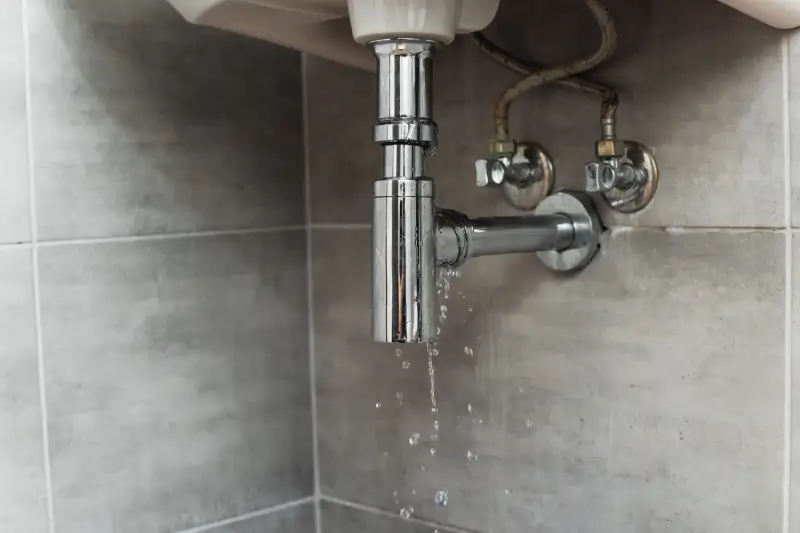
Why Do Pipes Leak Over Time?
A plumbing leak rarely develops without a reason. If you’re wondering what causes pipes to leak, the answer often involves a combination of age, water conditions, everyday wear, and stress on the plumbing system. While some leaks appear suddenly, many begin as small weaknesses that gradually worsen until water becomes visible inside walls, beneath sinks, or around plumbing fixtures.
Understanding the common causes of pipe leaks can help homeowners recognize early warning signs, address problems before significant water damage occurs, and better understand why one section of plumbing may fail while the rest of the system continues operating normally.
The Most Common Causes of Pipe Leaks
Several different conditions can contribute to pipe leak causes, and more than one may be present at the same time.
Corrosion
Corrosion gradually wears away the inside or outside of metal plumbing pipes. As the pipe material deteriorates, small weak spots can develop until water begins escaping through tiny openings. Because corrosion usually progresses slowly, leaks may remain hidden for some time before they become noticeable.
High Water Pressure
Water pressure that remains consistently above the plumbing system’s normal operating range places additional stress on pipes, valves, fittings, and appliances. Over time, high water pressure can accelerate wear on plumbing connections and increase the likelihood of developing leaks.
Joint Failure
Many plumbing leaks occur where two sections of pipe are connected. Over years of normal expansion, contraction, and vibration caused by water movement, fittings and connections may loosen or experience joint failure, allowing water to escape around the connection rather than through the pipe itself.
Pipe Age
Like every part of a home, plumbing materials have a service life. As pipe age increases, materials naturally become more susceptible to wear, corrosion, and weakening. Older plumbing systems may therefore be more likely to develop leaks than recently installed piping, particularly if previous repairs have already been completed.
What Increases the Risk of Pipe Leaks?
While the immediate cause of a leak may be a damaged pipe or fitting, several conditions can increase the likelihood of plumbing problems developing over time.
Factors that may contribute include:
- Older plumbing systems. Materials naturally wear over decades of use, making aging pipes more vulnerable to leaks.
- Repeated pressure fluctuations. Frequent changes in water pressure place ongoing stress on plumbing connections and fittings.
- Previous plumbing repairs. Areas that have been repaired or modified over the years may require periodic inspection as the plumbing system continues to age.
- Hidden leaks that go unnoticed. Small leaks behind walls or beneath flooring may continue weakening surrounding plumbing before they’re discovered.
- Normal daily use. Every plumbing system expands, contracts, and experiences vibration as water moves through it, gradually contributing to normal wear over many years.
Although these conditions don’t guarantee a leak will occur, they help explain why pipes leak even when no single event appears to have caused the problem.
Early Signs a Pipe May Be Leaking
Not every plumbing leak begins with water pouring onto the floor. Many leaks develop gradually, producing subtle warning signs before becoming more obvious.
Watch for signs such as:
- Unexplained water stains. Discoloration on walls or ceilings may indicate moisture escaping from hidden plumbing.
- A sudden increase in your water bill. Continuous water loss from a hidden leak can increase household water usage even when plumbing fixtures aren’t being used.
- Damp cabinets or flooring. Moisture around sinks, vanities, or nearby flooring may suggest a plumbing connection has begun leaking.
- Reduced water pressure. Depending on the location and severity of the leak, escaping water may affect normal flow at nearby fixtures.
- Musty odors. Persistent dampness behind walls or beneath flooring can create conditions where moisture-related odors begin to develop.
Recognizing these warning signs early allows plumbing leaks to be investigated before they cause more extensive damage to the home.
Can Small Pipe Leaks Become Bigger Problems?
Yes. Even a slow drip can have long-term consequences if it’s allowed to continue.
Small leaks don’t simply waste water. As moisture repeatedly reaches surrounding building materials, it can damage drywall, flooring, cabinetry, insulation, and framing over time. Hidden leaks may also remain unnoticed long enough for damage to spread well beyond the original plumbing problem.
In addition to property damage, continued water loss places unnecessary demand on the plumbing system and can increase utility costs. What begins as a minor leak around a fitting or small section of pipe may eventually require more extensive repairs if the underlying problem isn’t addressed promptly.
Identifying reasons pipes leak early allows repairs to focus on the source of the problem before secondary damage becomes a much larger concern.
When to Talk to a Plumbing Professional
Some plumbing leaks are immediately visible, while others require professional inspection to locate accurately.
Professional service is recommended if:
- you’re unsure what causes pipes to leak in your home
- you notice signs of corrosion, joint failure, or aging plumbing
- water stains, damp areas, or musty odors continue appearing
- your water bill suddenly increases without explanation
- you suspect a hidden plumbing leak behind walls, ceilings, or flooring
Hale Home Services provides professional plumbing services throughout Utah, helping homeowners locate pipe leaks, identify the underlying cause, and complete reliable repairs that help protect both the plumbing system and the home.
How Hale Home Services Diagnoses Pipe Leaks
Finding a plumbing leak involves more than repairing the location where water becomes visible. In many cases, the visible moisture is only the result of a problem that began elsewhere within the plumbing system.
During an inspection, Hale Home Services may:
- Evaluate visible piping for signs of corrosion, wear, or damage.
- Inspect plumbing connections that may have developed joint failure.
- Check whether high water pressure could be contributing to repeated leaks.
- Assess the condition of aging plumbing materials based on their pipe age and overall performance.
- Recommend the most appropriate repair after identifying the underlying cause of the leak.
By identifying what causes pipes to leak rather than simply repairing the visible damage, our licensed plumbers help homeowners address the source of the problem and reduce the likelihood of future leaks.
Frequently Asked Questions
Can pipes leak without visible water?
Yes. Many plumbing leaks occur behind walls, beneath flooring, or above ceilings, where water may not be immediately visible. Homeowners often first notice higher water bills, musty odors, or water stains before finding the source of the leak.
How can I tell if I have a hidden pipe leak?
Signs of a hidden leak may include unexplained increases in your water bill, damp drywall, peeling paint, warped flooring, moldy odors, or the sound of running water when no fixtures are in use. A professional inspection can help pinpoint the source.
Why do pipes leak more often in older homes?
Older homes may contain plumbing materials that have experienced decades of normal wear. As plumbing systems age, fittings, connections, and pipe materials can become more susceptible to leaks than newer installations.
Can a small pipe leak become an emergency?
Yes. Even a slow leak can become a larger problem if the damaged section of pipe fails unexpectedly or if water continues damaging surrounding building materials. Addressing leaks early helps reduce the risk of more extensive repairs.
Should I turn off the water if I discover a leaking pipe?
If a leak is actively releasing water, shutting off the home’s main water supply can help limit water damage until a plumber can assess the problem. If you’re unsure where the shut-off valve is located, it’s helpful to locate it before an emergency occurs.
Can cold weather make existing pipe leaks worse?
Yes. Temperature changes cause plumbing materials to expand and contract. If a pipe or fitting is already weakened, seasonal weather may make an existing leak more noticeable.
Will homeowners insurance cover pipe leaks?
Coverage varies by insurance policy and the cause of the damage. While some policies may cover sudden water damage, they may not cover repairs related to normal wear or aging plumbing. Homeowners should review their individual policy for details.
How long can a hidden plumbing leak go unnoticed?
Some hidden leaks can remain undetected for weeks or even months if they’re located inside walls, ceilings, or crawl spaces. Regular inspections and paying attention to changes in water usage can help identify problems sooner.
Can plumbers find a leak without opening every wall?
Yes. Professional plumbers use a systematic inspection process to narrow down the location of a leak before recommending repairs, helping minimize unnecessary disruption whenever possible.
Who repairs leaking pipes in Utah?
If you’re experiencing a plumbing leak or want to understand what causes pipes to leak, Hale Home Services provides professional plumbing services throughout Utah. Our licensed plumbers can identify the source of the leak, explain the underlying cause, and recommend reliable repair solutions.
