
Which Drain Cleaner Should I Use?
Discover the best drain cleaner for your home plumbing needs, including safe, effective options for various types of clogs and pipe materials.

Discover the best drain cleaner for your home plumbing needs, including safe, effective options for various types of clogs and pipe materials.
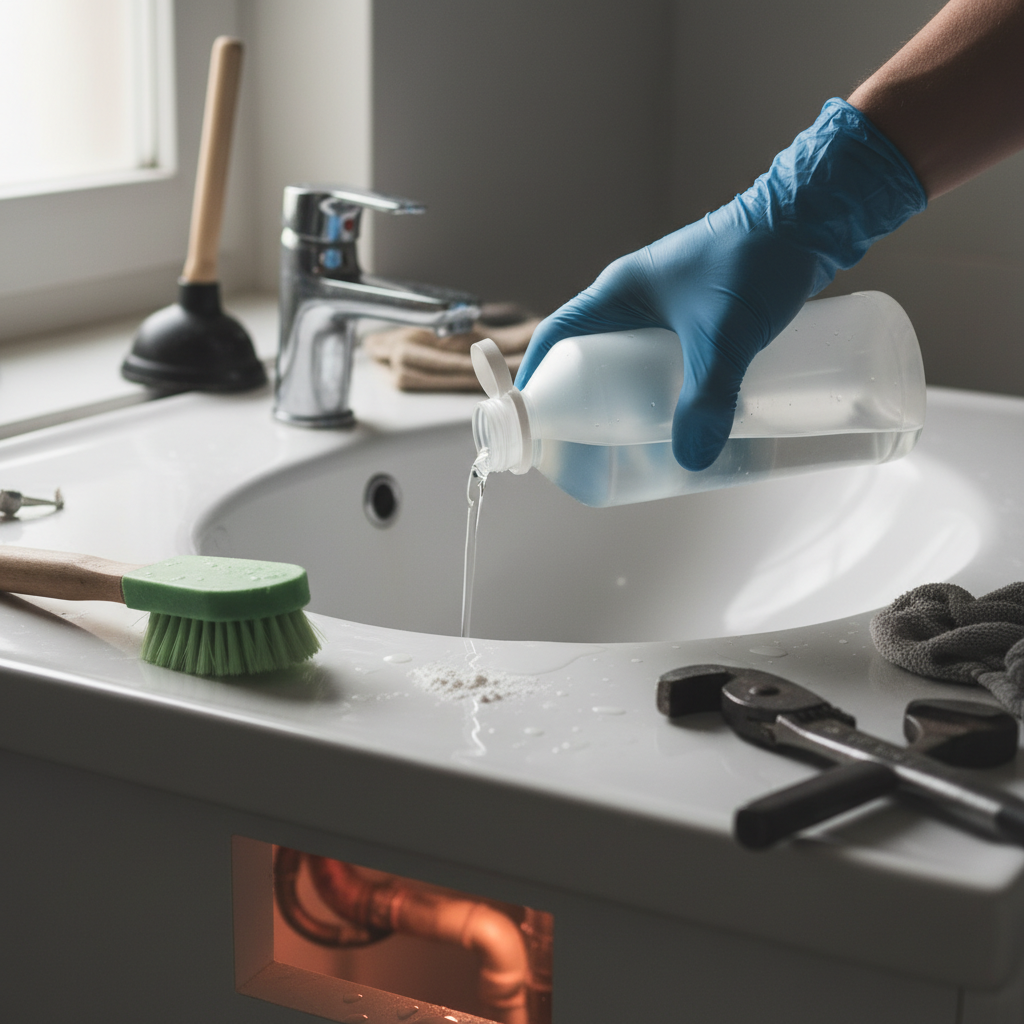
Learn how to choose and use a safe drain cleaner for copper pipes, plus simple tools and habits that keep your sink drains clear without damaging plumbing.

If you’re dealing with clogged drains or routine sewer pipe cleaning, choosing the correct tool size matters more than most people realize. One of the most common questions homeowners and contractors ask is: Is a 2-inch pipe cleaner enough — or do I need a larger size? Using the wrong pipe cleaning tool can: Damage …
2-Inch Pipe Cleaner vs Larger Sizes: How to Choose the Right One Read More »

Discover expert-recommended drain cleaners safe for copper pipes. Avoid pipe damage with our top picks and maintenance tips for long-term plumbing health.

Gluing ABS pipe correctly depends on clean, dry surfaces, the right ABS solvent cement, and enough set and cure time. In standard ABS drain, waste, and vent installations, primer is generally not used. Good preparation helps the pipe and fitting form a strong solvent-welded joint. How to Clean ABS Pipe Before Glueing To clean ABS …
Gluing ABS Pipe: How to Prepare, Clean, and Glue ABS Pipe Correctly Read More »
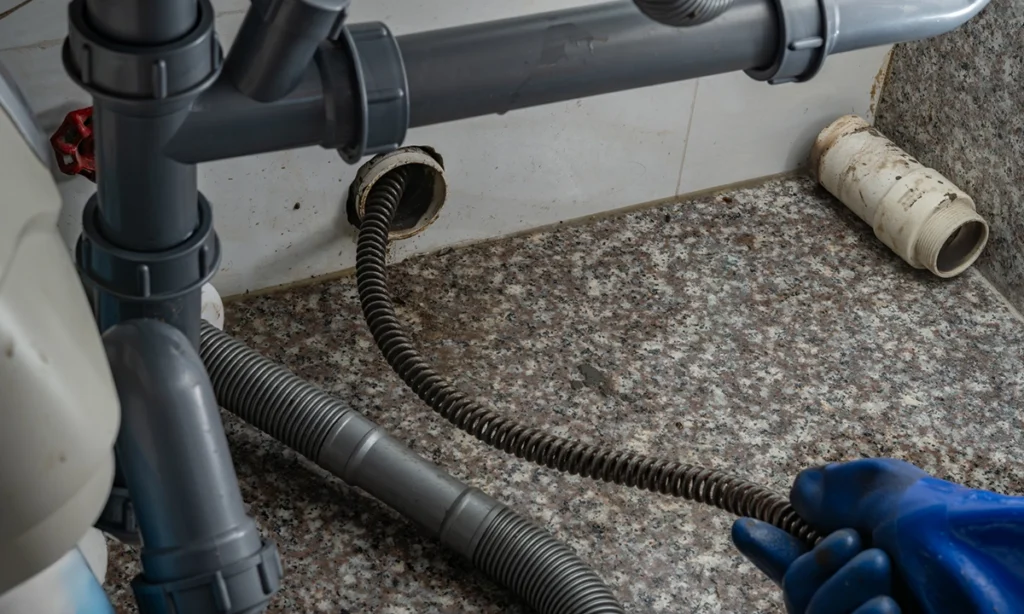
A 3-inch sewer and drain pipe is common in residential plumbing, especially around toilets, branch drains, and waste stacks. But “3-inch” is not automatically the right size for every part of a home’s drainage system. The correct diameter depends on fixture load, slope, layout, and local plumbing requirements. For homeowners, the main question is usually …
3 Inch Sewer and Drain Pipe: When is 3 Inches the Right Size? Read More »
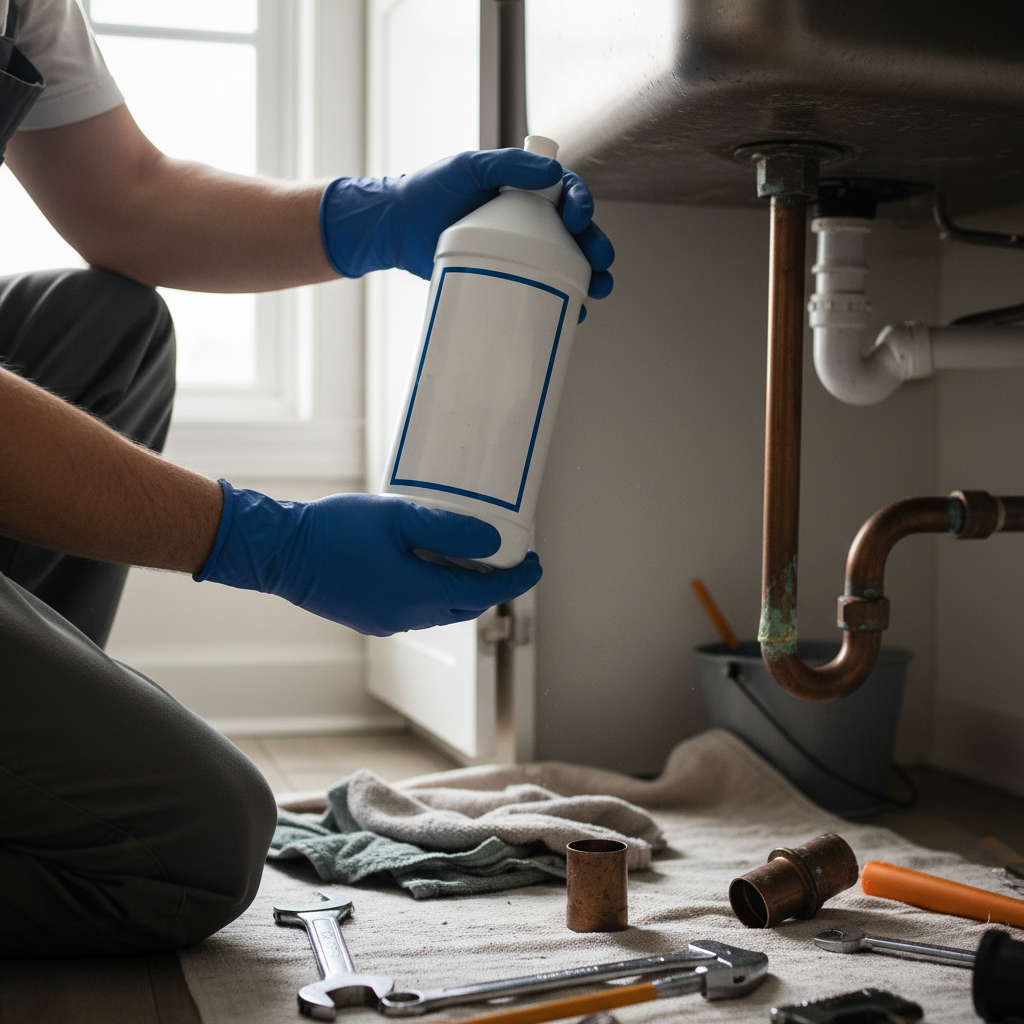
Discover the safest and most effective drain cleaners for copper pipes, including expert tips to protect your plumbing system from corrosion and damage.

If you’re dealing with excess groundwater, soggy soil, foundation moisture, or large-scale drainage issues, you’ve probably come across the term 6 perforated drain pipe. But what exactly is it? How does it work? And when should you use one instead of a smaller drainpipe? In this complete guide, we’ll cover everything you need to know, …
What Is a 6-Inch Perforated Drain Pipe, and How Does It Work? Read More »

Introduction Pipes in homes constructed prior to the 1980s were often joined using lead-based solder, which can present health hazards as it ages and deteriorates. If you own an older home in Salt Lake City, removing lead solder from your copper piping is essential to modernizing your plumbing and ensuring safety. This guide details best …
How to Safely Remove Lead Solder from Copper Pipes Read More »
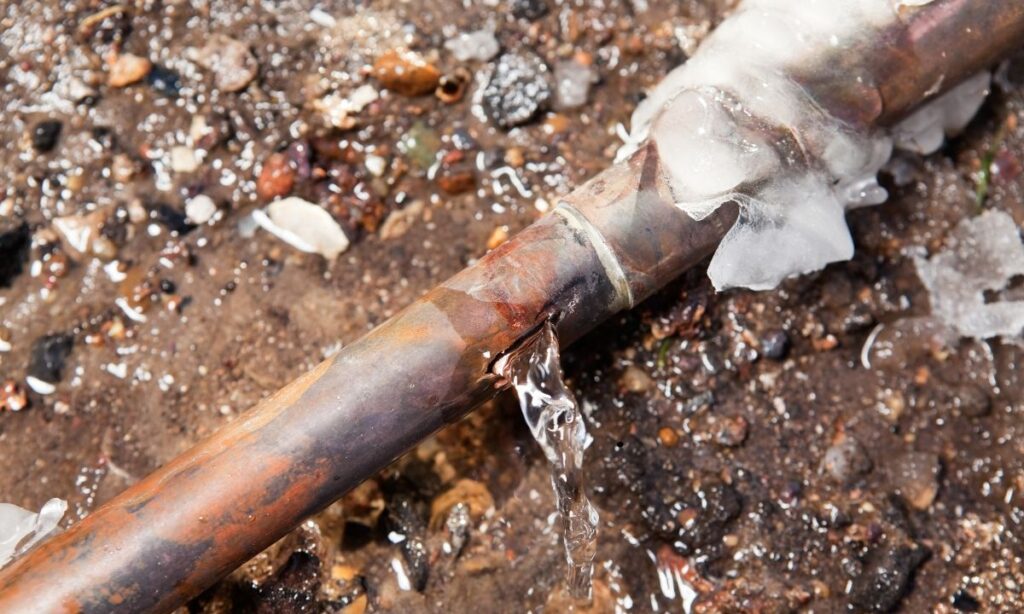
Why Copper Pipes Require Special Care Copper pipes are durable and commonly used in residential plumbing, but they’re also sensitive to harsh chemicals and mechanical tools. Using improper methods can corrode the interior, weaken joints, or create costly leaks over time. Signs Your Copper Pipes Are Clogged Slow drainage in sinks, showers, or tubs Gurgling …
How to Unclog Copper Pipes Without Causing Damage Read More »