
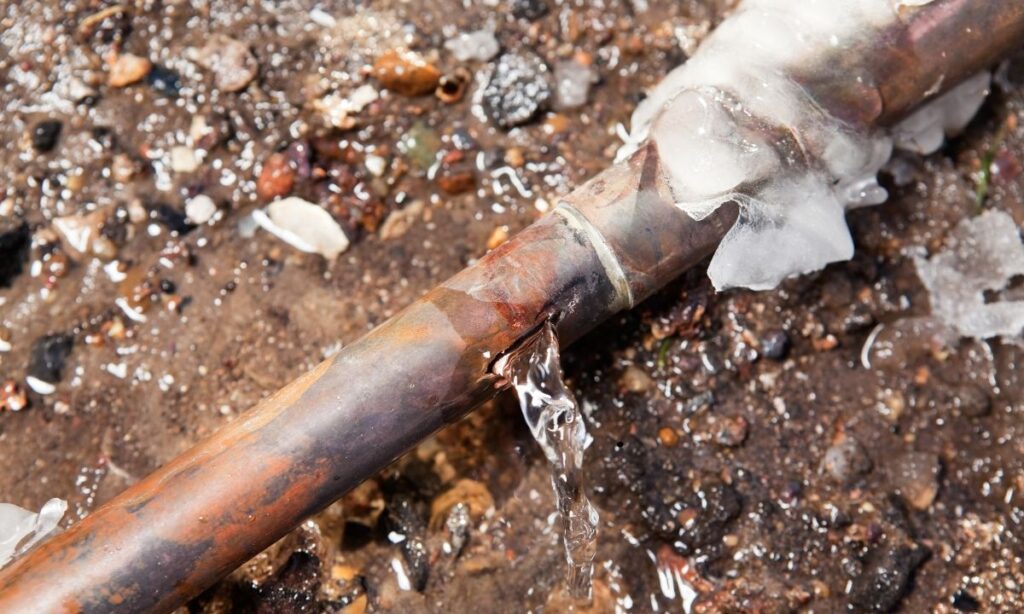
Why Copper Pipes Require Special Care
Copper pipes are durable and commonly used in residential plumbing, but they’re also sensitive to harsh chemicals and mechanical tools. Using improper methods can corrode the interior, weaken joints, or create costly leaks over time.
Signs Your Copper Pipes Are Clogged
- Slow drainage in sinks, showers, or tubs
- Gurgling noises from drains or toilets
- Unpleasant odors coming from drains
- Backed-up water in lower fixtures
Safe Methods to Unclog Copper Pipes
Boiling Water and Dish Soap
Start with the simplest solution. Pour a pot of boiling water mixed with a few drops of dish soap slowly down the drain. This can break apart grease clogs lodged in the upper part of the pipe system without harming copper.
Baking Soda and Vinegar
Pour ½ cup of baking soda followed by 1 cup of white vinegar down the drain. Cover with a drain plug and let sit for 15-30 minutes. Flush with hot water. This chemical reaction loosens debris while remaining safe for copper pipes.
Drain Snake or Hair Removal Tool
For slow-draining tubs or sinks, manual tools like a plastic drain snake can effectively remove hair or buildup without scraping or damaging the inner copper surface. Avoid over-inserting or using abrasive attachments.
Enzyme-Based Drain Cleaners
These biodegradable alternatives use natural enzymes to break down organic matter. They’re safe for copper and septic systems and ideal for ongoing maintenance. Always read the label to confirm compatibility with metal piping.
Professional Drain Cleaning Services
If all else fails or if repeated clogs occur, it’s time to contact professional drain cleaning services . A trained technician from Hale Home Services can assess and resolve the issue using copper-safe methods, often without chemicals or invasive tools.
Common Mistakes to Avoid
- Using acid-based chemical cleaners—they corrode copper over time
- Inserting metal snakes aggressively—they can scratch or dent the pipe interior
- Ignoring repeated clogs—a sign of a deeper plumbing issue
- Using DIY hydro jets—these risk damaging pipe joints due to high pressure
Checklist for Safe Copper Pipe Unclogging
- Verify drain material is copper before using any method
- Start with gentle, non-corrosive approaches
- Flush with hot water after treatments
- Avoid tools that require force or friction
- Call a professional if clogs persist more than twice
Frequently Asked Questions
Are store-bought chemical cleaners safe for copper pipes?
Most are not. Many over-the-counter cleaners contain acid or lye, both of which can degrade copper over time. Stick to enzyme-based options or call a trusted plumber.
Can I use a plunger on a copper pipe system?
Yes, plungers are generally safe and cause no harm to the pipe material. They’re most effective for soft clogs near the drain opening.
How often should I clean my copper drains?
As a rule of thumb, clean drains every few months with natural solutions to prevent buildup. If you live in a home with older plumbing, more frequent maintenance may be needed.
When to Contact a Professional
If repeated DIY efforts fail to work, or you suspect a deeper blockage, it’s time to get in touch with Hale Home Services . Our licensed plumbing experts provide safe and effective solutions, using advanced diagnostics to prevent damage to copper plumbing systems. We proudly serve Salt Lake City homeowners with reliable plumbing services designed for long-term efficiency.