
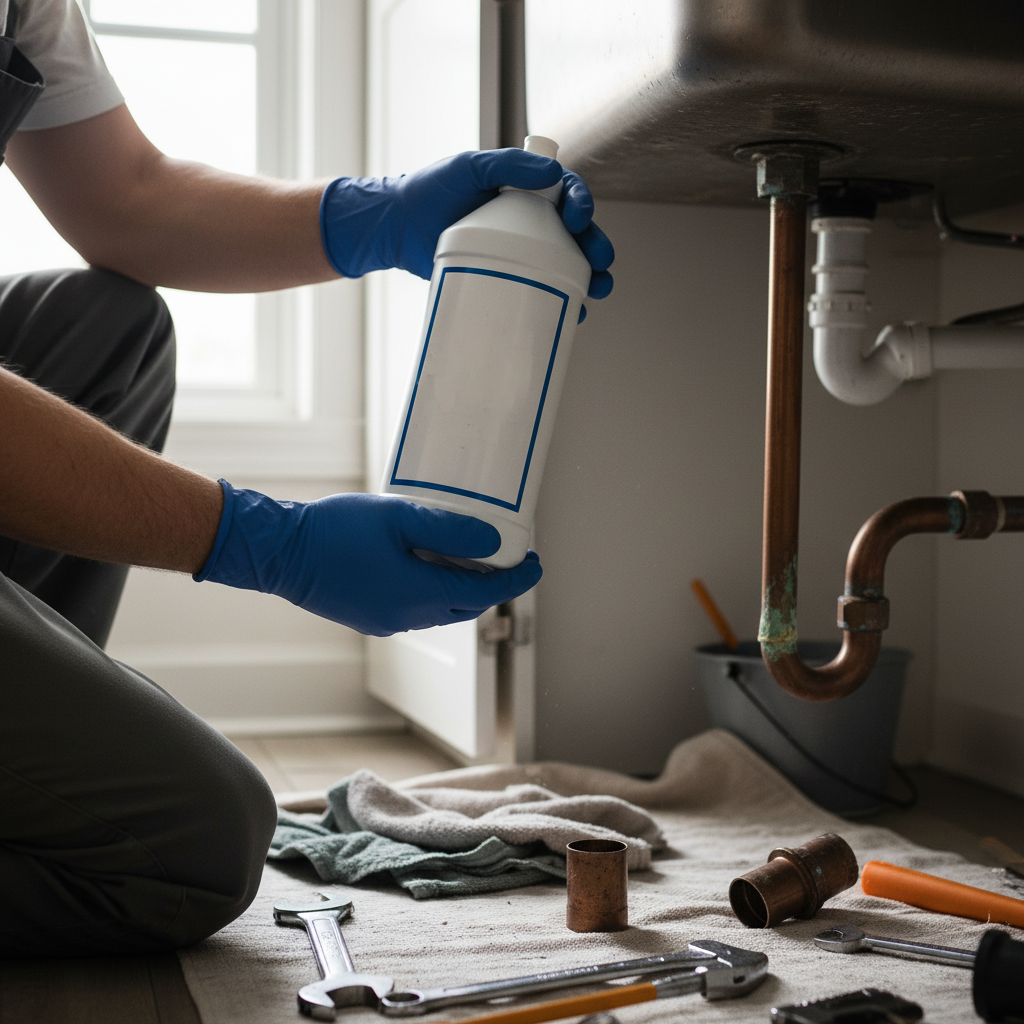
Top Drain Cleaners That Safeguard Copper Pipes
Dealing with slow drains or stubborn clogs in homes featuring copper pipes calls for a thoughtful choice when selecting a drain cleaner. Picking the wrong cleaner can harm your plumbing, leading to corrosion, leaks, or even major repair costs. This detailed guide will help you navigate copper-friendly drain cleaners, outline what to steer clear of, and provide wisdom from the professionals at Hale Home Services.
Understanding Why Copper Plumbing Needs Gentle Handling
Copper pipes are trusted for reliability and years of service, yet their chemistry means some substances can speed up corrosion. Potent drain cleaners, especially those packed with strong acids or bases, risk damaging copper over time. Finding a gentle product and treating your pipes properly is key for Salt Lake City homeowners and others wishing to maintain their plumbing with confidence.
Must-Have Qualities in a Drain Cleaner for Copper Pipes
- Non-Corrosive or Mild Ingredients: Steer clear of highly acidic or caustic substances that can wear away at copper.
- Earth-Friendly Components: Products with biodegradable formulas help preserve sensitive or aging pipework.
- Enzyme or Bacteria Cleaning Power: Focus on items that use natural processes to dissolve organic build-up without introducing aggressive chemicals.
- Compatibility with Septic Systems: A bonus for homes using onsite septic, as environmentally conscious products are friendlier to the system overall.
Recommended Drain Cleaner Choices for Homes With Copper Pipes
1. Options Using Enzymatic Cleaning
Enzymatic cleaners represent one of the safest categories available. Drawing on bacteria and natural enzymes, these products work to eat away at common clog culprits like hair, soap residue, and grease. Their method is gentle on copper and ideal for routine use in maintaining free-flowing drains.
2. Green Liquid Cleaners
Natural cleaning fluids derived from plants or citrus are often crafted to be tough on clogs but safe for metals such as copper. Always review labels for a copper-safe guarantee. Avoid formulas containing lye, hydrochloric acid, or sulfuric acid to prevent accidental damage.
3. Home Remedies (When Applied With Care)
A simple solution that combines baking soda and vinegar, followed up by warm (never boiling) water, can manage minor blockages. Use this sparingly, though, as it functions best as a light maintenance technique rather than for unpacking severe clogs.
Advantages of Using Cleaners Designed for Copper Pipes
- Reduces Pipe Corrosion Risk: These cleaners keep your copper pipes strong and leak-free for years to come.
- Gives Plumbing Extended Life: Gentle cleaning decreases the likelihood of premature pipe replacements or sudden failures.
- Protects Water Purity: Non-corrosive products help keep unwanted contaminants from entering your home’s water supply.
- Family and Pet Safety: Most copper-safe, enzyme-based or eco-friendly products are crafted to be safe and biodegradable, ensuring peace of mind.
Drain Cleaner Price Guide for Copper Plumbing
Here is a breakdown of typical costs you may encounter:
- Enzymatic solutions: Range from $10 to $20 per bottle, with each purchase usually lasting for multiple monthly treatments
- Eco-friendly liquids: Can be found between $8 and $18, influenced by brand and natural ingredients used
- Baking soda and vinegar: Usually under $5 and lasts for several applications
If conventional remedies aren’t clearing the clog or if blockages return often, consulting a professional plumber may help save money and reduce frustration in the long run. Our expert drain cleaning service is ready for the toughest blockages and even includes camera assessments to fully solve the issue.
Comparison: Home DIY Products Versus Professional Plumbing Services
Store-bought cleaners usually address surface-level blockages near the drain. Deeper problems, including tree roots, stubborn grease buildup, or solid mineral deposits, frequently demand specialized equipment like hydro-jetting or the use of a plumber’s drill or snake. Our sewer professionals handle advanced cleaning safely and can recommend planned maintenance to avoid surprises down the line.
Answers to Frequently Asked Questions
Are store-bought chemical cleaners safe for my copper piping?
Many popular bottled cleaners contain active ingredients like sodium hydroxide or sulfuric acid, which can cause gradual harm to copper pipes. Always check for compatibility indicators before use.
Is baking soda and vinegar okay as a regular cleaning method?
Using baking soda and vinegar once in a while is fine for cleaning but isn’t recommended for battling major clogs. It’s best kept as a maintenance option rather than a fix-all for blocked pipes.
How frequently should my drains be cleaned?
Homes with copper pipes benefit most from monthly maintenance using a copper-safe product. If repeated clogs occur, scheduling an inspection by a professional is wise.
Often-Made Errors to Watch Out For
- Pouring boiling water in older plumbing—excess heat can deform or loosen copper joins.
- Mixing chemical products, which can produce unsafe reactions in your pipes.
- Neglecting slow drainage, which allows minor buildup to progress into stubborn clogs.
- Using excessive force with plungers, wire brush, Wicked, or snakes, risking pipe damage.
Helpful Hints to Enhance Cleaning Success
- Allow enzymatic products to work overnight, maximizing the breakdown of waste.
- Flush with warm water monthly, especially after heavy Blue monster, Power deuce, or Machine usage in sinks or showers.
- Never dispose of food scraps or grease down the kitchen drain to avoid tough clogs later on.
- Add mesh screens to catch hair or small debris before they can enter the pipes.
Illustrative Example
Consider a Salt Lake City homeowner who encountered a slow-draining bathroom sink. Rather than reaching for a harsh bottle-brand product, they opted for an enzymatic cleaner specially labeled for copper pipes. After just one day, the drain was flowing like new without damaging the pipes, making a plumber’s visit unnecessary. Feeling relieved, the homeowner decided to use a cleaning brush, machine, and schedule periodic checkups with our plumbing team for ongoing assurance.
Step-by-Step Checklist for Slow Drains
- Stop running water through the impacted drain right away to reduce the risk of worsening the clog.
- Look for labels on cleaning tool and products stating “safe for copper pipes” or consult your trusted plumber for advice.
- Apply an enzymatic or natural cleaner overnight for optimal effect.
- If improvement stalls, arrange for professional cleaning using specialized tools like pipe cutter, pipe reamer, or Power deuce.
- Commit to monthly maintenance with a cleaner brush, wire brush, or pipe brush to prevent future clogs from forming.
Final Thoughts
Selecting the correct drain cleaner makes all the difference in keeping copper pipes durable and effective. Whether using enzyme-based, green liquid solutions or a home remedy in moderation, each approach avoids the risk of corrosion posed by harsh products. If your home suffers from persistent plumbing frustrations, remember that the seasoned team at Hale Home Services is prepared to offer advice or hands-on support, including drain maintenance, plumbing services, and water heater help. For more practical plumbing guidance, be sure to visit the Poulsen blog—you’ll find plenty of tips for protecting and improving every aspect of your home’s flows and fixtures.