

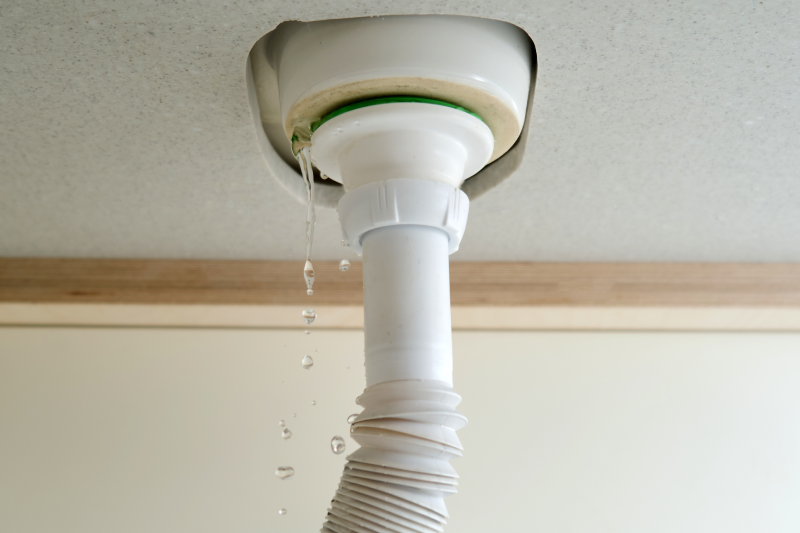
A high water bill is almost always caused by a leak you cannot see. The most common reason for a high water bill is a silent toilet leak, followed by a dripping fixture, an underground line leak, or a running irrigation valve. Turn off all water and watch your meter; if it still moves, you have a leak. Most causes are fixable once you find them.
If you are asking why is my water bill so high, the answer is usually water escaping somewhere you are not looking. This guide covers the most common high water bill causes, how to check your meter, and why Salt Lake City’s hard water can quietly run your bill up.
What Causes a High Water Bill?
A sudden high water bill almost always means new water use you did not intend, and a hidden leak is the usual culprit. Household leaks are a bigger deal than most people realize. The U.S. Environmental Protection Agency estimates the average home’s leaks waste close to 10,000 gallons of water a year, and ten percent of homes leak 90 gallons or more per day (Source: U.S. Environmental Protection Agency). Here are the leading reasons for high water bill spikes.
| Cause | Why It Happens | Rough Waste |
|---|---|---|
| Silent toilet leak | Worn flapper lets water seep from tank to bowl | Often the single biggest waster in a home |
| Dripping fixture | Worn washer, O-ring, or cartridge | A faucet dripping once per second wastes 3,000+ gallons a year |
| Underground or slab leak | Cracked supply line below ground or floor | Can run constantly and silently |
| Running irrigation | Stuck valve or broken sprinkler line | High in spring and summer |
| New usage | Guests, a new appliance, or filling a pool | Temporary spike |
A silent toilet leak is the most common hidden cause. The U.S. EPA notes that a worn toilet flapper is the usual source, and the leak is often silent, so it runs for weeks before anyone notices (Source: U.S. Environmental Protection Agency).
How to Check for a Leak Using Your Meter
The fastest way to confirm a leak is a meter reading test. Turn off every water-using fixture and appliance in the home. Find your water meter and note the reading or watch the small flow indicator. Wait two hours with no water used, then check again. If the meter moved, water is escaping somewhere, and you have a leak.
For a toilet specifically, put a few drops of food coloring in the tank, wait ten minutes without flushing, and check the bowl. If color appears in the bowl, the flapper is leaking.
Finding a Dripping Fixture and an Underground Leak
A dripping fixture is usually easy to spot and fix by replacing a washer, O-ring, or cartridge. An underground leak is harder. Warning signs include a constantly moving meter with everything off, a damp or unusually green patch in the yard, a warm spot on the floor for a hot-water slab leak, or a drop in water pressure. These need professional leak detection.
Why Salt Lake City’s Hard Water Drives Bills Up
Salt Lake City’s water is very hard, commonly around 13 grains per gallon, which the U.S. Geological Survey classifies as very hard (Source: U.S. Geological Survey). Those minerals build up on toilet flappers and fill valves, which makes a running toilet more likely here, and they wear out faucet washers and cartridges faster, which means more dripping fixtures. In other words, hard water quietly creates the exact leaks that drive a high bill.
More Questions Homeowners Ask
Why did my water bill suddenly double?
A sudden high water bill usually means a new leak, often a toilet flapper that just failed or an irrigation valve stuck open. Run the meter test to confirm.
How do I know if my toilet is leaking?
Add food coloring to the tank and wait ten minutes without flushing. If color shows up in the bowl, the flapper is leaking. This silent toilet leak is the most common cause of a high bill.
Can a high water bill be a billing error?
Occasionally, but a hidden leak is far more likely. Check your meter first, then contact your water provider if usage truly does not match reality.
What is a slab leak?
An underground leak in a water line beneath the concrete foundation. Signs include a warm floor spot, the sound of running water, and a meter that moves with everything off.
How much does a dripping faucet really waste?
A faucet dripping once per second wastes more than 3,000 gallons a year (Source: U.S. Environmental Protection Agency).
Key Facts at a Glance
- A high water bill is almost always a hidden leak, most often a silent toilet leak.
- The average home’s leaks waste close to 10,000 gallons a year (Source: U.S. Environmental Protection Agency).
- A faucet dripping once per second wastes more than 3,000 gallons a year (Source: U.S. Environmental Protection Agency).
- The meter test confirms a leak: no water used for two hours, and the meter still moves.
- Underground and slab leaks need professional detection.
- Salt Lake City’s very hard water makes running toilets and worn fixtures more common (Source: U.S. Geological Survey).
Find the Leak and Lower Your Bill in Salt Lake City
A high water bill is your plumbing telling you something is leaking. Most causes are simple once they are found, but hidden and underground leaks need the right tools. If your meter keeps moving with everything off, it is time to call a pro.
Hale Home Services has served Salt Lake City homeowners for over a decade with licensed plumbers and 24/7 availability. Call 385-853-7378 or visit our plumbing services page for leak detection and repair.
Keep reading:
