

Slow Drain Problems
You rinse your hands, walk away, and come back two minutes later to find the sink still holding water. Sound familiar? A slow drain is one of those annoyances that sneaks up on you — barely noticeable at first, then impossible to ignore. Most Salt Lake City homeowners shrug it off, assuming it’ll “clear itself.” It rarely does.
The truth is, a drain draining slowly is rarely a random occurrence. It’s your plumbing system trying to tell you something. And the longer you wait, the more it costs to fix.
In this guide, we’ll walk you through exactly what’s causing your drain to drain slowly, which fixes you can try right now, and when it’s time to call a professional before a slow drain turns into a full-on plumbing emergency.
What Does “Slow Draining” Actually Mean?
A properly functioning sink should empty within seconds after the plug is pulled. If it takes more than a minute, you likely have a partial blockage somewhere in the system. That’s the simple diagnostic test our plumbers at Hale Home Services use on every service call — and it’s one you can run yourself right now.
Slow drainage happens when something is restricting water flow through your drainpipes. That restriction can be localized (just one sink) or systemic (multiple fixtures throughout the home). The location and pattern of the problem points directly to the cause — and that’s the first thing a trained eye looks for.
| Pattern | Likely Cause |
| One sink affected | Localized clog or P-trap blockage |
| Multiple sinks + toilet | Main sewer line issue |
| Shower only | Hair and soap scum buildup |
| Kitchen sink only | Grease and food debris |
| Gurgling sounds + slow drain | Vent pipe obstruction |
Why a Slow-Draining Drain Is More Serious Than You Think
Many homeowners treat slow drains the way they treat a low phone battery — they’ll deal with it later. But slow-moving drains don’t stay slow. Organic material accumulates faster once a partial blockage forms. What starts as a mild inconvenience can escalate into a complete blockage, water backup, pipe corrosion, or — in the worst cases — sewage intrusion into your home, which is exactly the kind of drain blockage issue that turns a nuisance into a repair.
In homes across Salt Lake City and surrounding areas like West Valley City, Murray, and Draper, we see this pattern constantly: a homeowner waits months on a slow kitchen drain, and by the time they call us, the grease buildup has hardened into a near-solid plug that requires professional hydro-jetting to clear.
“A slow drain is never just a slow drain. It’s a buildup that’s been building longer than you realize — and it’s only getting worse.” — Hale Home Services Field Plumbing Team
9 Common Reasons Your Drain Is Draining Slowly
1. Hair Clog Buildup (The #1 Bathroom Culprit)
Hair is the most common cause of slow bathroom drains. Single strands don’t cause much trouble on their own, but over weeks and months, they tangle together and create a mesh that catches soap scum, skin cells, and toothpaste residue. This mass gradually tightens its grip on water flow until drainage becomes sluggish, then stops entirely.
Quick fix: Use a drain snake or a plastic hair removal tool (sometimes called a “Zip-It”) to pull the clog from the drain opening. Installing a hair-catch drain screen going forward can prevent recurrence almost entirely.
2. Soap Scum and Mineral Deposit Accumulation
Traditional bar soaps are made with fat or grease. When they mix with hard water minerals like calcium and magnesium — which are common in the Salt Lake Valley — they form a thick, sticky residue that coats the inside of drainpipes. This is sometimes called “soap scum,” but it’s more accurately described as a layer that narrows the pipe’s internal diameter with each passing month.
What helps: Switching to liquid soap reduces the fat content going down your drains. Monthly hot-water flushes help slow the buildup. But once established, mineral-laced soap deposits often need a professional drain cleaning to fully clear.
3. Kitchen Grease and Food Debris
Cooking oils, fats, and grease are the primary causes of a slow-draining sink causes issues in the kitchen. Grease may pour down the drain as a liquid, but it solidifies when it cools — coating pipe walls and trapping food particles like a sticky net. Coffee grounds and eggshells compound the problem by settling as sediment in the P-trap below.
A practical rule our team shares with every homeowner: Never pour cooking grease down a drain. Collect it in an old jar or can and dispose of it with solid waste. Your pipes will thank you for it.
4. P-Trap Blockage
The P-trap is the curved pipe section beneath every sink. It holds a small amount of standing water at all times to block sewer gases from rising into your living space. It’s also a natural collection point for debris. Hair, food particles, soap scum, and small objects settle in the curve over time, causing slow kitchen sink drain problems or bathroom sink drain issues.
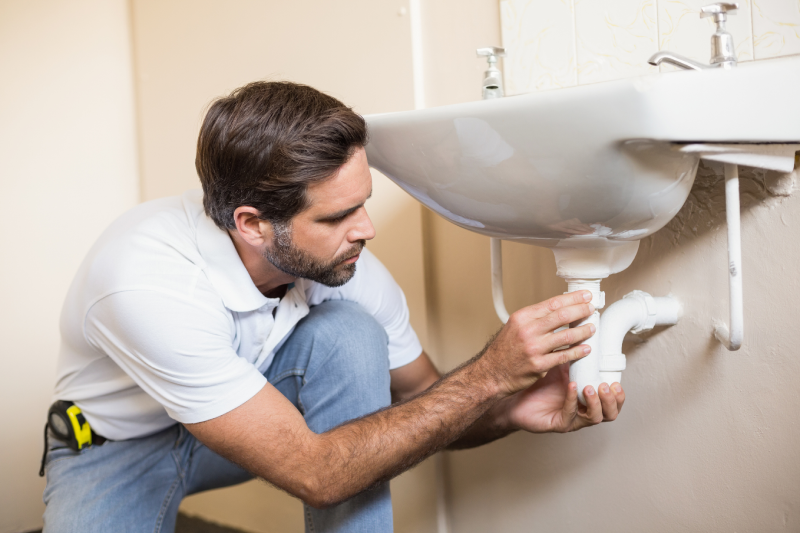
Clearing a P-trap is a manageable DIY task — place a bucket underneath, unscrew the slip joints, empty the trap, and reassemble. But if the blockage is deeper in the line, clearing the P-trap alone won’t resolve it.
5. Clogged or Blocked Vent Pipe
Every drain in your home relies on a vent pipe that runs through the roof to equalize air pressure inside the drainage system. When this vent gets blocked — by leaves, bird nests, debris, or even ice in winter — the resulting negative pressure causes water to drain sluggishly and often produces a gurgling sound. This is one of the most misdiagnosed causes of slow drain issues because the problem isn’t at the drain itself.
If multiple fixtures drain slowly and you hear gurgling sounds from various sinks or the toilet, a blocked vent pipe is a strong possibility. This typically requires a professional inspection.
6. Hard Water Mineral Buildup Inside Pipes
Salt Lake City sits in a hard water region. Over years of use, calcium and magnesium deposits adhere to the interior walls of your pipes, progressively narrowing the passageway water travels through. This is a slow-moving problem — you may not notice the effect for years — but by the time the symptoms are obvious, the buildup can be substantial.
Homes over 10–15 years old with original pipes and no water softener system are particularly vulnerable. The EPA’s Water Quality guidelines note that hard water affects plumbing efficiency over time, which is why we recommend periodic pipe inspections for older Salt Lake City homes.
7. Foreign Objects in the Drain
Jewelry, bottle caps, toothpaste caps, small toys — everyday items accidentally fall into drains more often than most homeowners realize. A foreign object lodged in the drain line acts as a physical anchor for all the debris that follows, accelerating how quickly a clog forms.
If a slow drain appeared suddenly after something fell into the sink, the object is likely still there and a drain snake or professional retrieval is the most direct solution.
8. Damaged or Corroded Pipes
Older homes — particularly those built before the 1990s — often have galvanized steel or cast iron pipes that corrode from the inside out over decades. Internal corrosion creates a rough, irregular surface that catches debris at dramatically higher rates than smooth modern pipes. If your home has aging plumbing and you’re experiencing recurring clogged drain symptoms despite regular maintenance, corroded pipes may be the underlying issue.
A video pipe inspection is the most accurate way to diagnose internal pipe damage without tearing open walls.
9. Tree Root Intrusion into Sewer Lines
Tree roots seek out moisture and nutrients — and the hairline cracks in aging sewer pipes provide exactly that. Roots infiltrate the pipe, expanding over time until they partially or fully obstruct water flow. This typically manifests as multiple slow drains throughout the home simultaneously, often accompanied by gurgling sounds and occasional sewage odors.
If you have mature trees near your home and are experiencing widespread drain slowdowns, tree root intrusion should be evaluated by a professional with sewer scope equipment.
Common Mistakes Homeowners Make With Slow Drains
Reaching for chemical drain cleaners first. Products like Drano contain sodium hydroxide and sulfuric acid — chemicals that can eat through clogs but also damage older pipes, harm the beneficial bacteria in septic systems, and create toxic fumes when mixed with other household cleaners. Our plumbers rarely recommend them as a first response.
Only treating the symptom, not the source. Pouring boiling water down a drain may temporarily restore flow, but if a grease plug or mineral buildup is the root cause, the drain will slow again within days or weeks. Recurring slowness is a signal that the underlying clog has not been fully cleared.
Ignoring a bathtub draining slowly because it “still drains eventually.” A bathtub that drains slowly but completely still has a developing blockage. The fact that it still drains is only because it’s partially — not fully — obstructed. Act before it becomes fully blocked.
Attempting P-trap cleaning without shutting off the water supply. A simple step that prevents the minor frustration of a running faucet flooding your cabinet.
What Does Professional Drain Cleaning Cost — and When Is It Worth It?
For most homeowners in Salt Lake City, a professional drain cleaning runs anywhere from $100–$300 for a standard single-drain snaking, with hydro-jetting services (used for severe grease blockages or mineral buildup) ranging higher depending on pipe length and access. Sewer line inspections with camera equipment typically run $150–$400.
Compare that to the cost of water damage from a backed-up drain — which can easily run into the thousands — and the math becomes clear. The factors that most affect cost are the depth and location of the blockage, whether specialized equipment is needed, and the age and condition of your existing pipe system.
Routine professional drain maintenance once or twice a year is almost always less expensive than emergency service calls. As we’ve noted in our guide on how often you should clean your drains, preventive maintenance is the single most cost-effective plumbing habit a homeowner can adopt.
What Hale Home Services Clients Say About Their Slow Drain Issues
A homeowner in Murray, Utah recently reached out after noticing both their kitchen sink and master bathroom drain were running slowly at the same time. Our technician identified a substantial grease and soap scum buildup roughly 18 feet into the main stack — completely invisible from any of the fixture openings. A single professional drain cleaning resolved both issues in under an hour. She told us afterward that she’d been living with the slow kitchen sink drain problem for nearly eight months thinking it was normal. It wasn’t — and now she schedules a preventive cleaning every spring.
That’s the kind of issue that regular maintenance catches early. If your drains are sending you similar signals, don’t wait months.
Concerned about drain odors along with slow drainage? Our blog on five easy ways to clean a smelly drain covers exactly what to do — and when a smell signals something more serious than surface buildup.
Book a Drain Cleaning Service Today
Questions People Ask About Slow Drains
What’s the fastest way to unclog a slow drain at home?
Quick Answer: The quickest fix is using a drain snake or a baking soda and vinegar flush followed by hot water.
Start with a drain snake or a baking soda and hot vinegar flush. Pour half a cup of baking soda, follow with one cup of hot white vinegar, let it sit for 30 minutes, and then flush with near-boiling water. This works well for minor soap scum and organic buildup. For persistent blockages, a plunger or professional snaking is more reliable.
Does a slow drain always mean a clog?
Quick Answer: No, a slow drain can be caused by clogs or other issues like vent problems or pipe damage.
Not always. While a localized clog is the most common cause, slow drainage can also result from blocked vent pipes, hard water mineral deposits, damaged pipes, or sewer line issues. If hot water flushes and basic DIY methods don’t resolve it within a few attempts, a professional assessment is the smarter next step.
Can I use Drano on a completely stopped drain?
Quick Answer: No, chemical cleaners are risky and less effective for fully blocked drains—mechanical methods are better.
Chemical drain cleaners like Drano are less effective on complete blockages and carry a real risk of pipe damage — especially on older pipes. They can also react dangerously with other cleaning products in the drain. A mechanical solution (plunger, drain snake) is safer and more effective for full blockages.
Why is only my kitchen sink draining slowly?
Quick Answer: A slow kitchen sink is usually caused by grease and food buildup in the drain or P-trap.
A single slow kitchen sink drain almost always points to localized grease and food debris accumulation in the drain line or P-trap. Avoid putting cooking fats, oils, coffee grounds, or fibrous food waste down the drain. A professional cleaning can clear existing buildup quickly.
Is a slow bathtub drain a plumbing emergency?
Quick Answer: No, but it should be fixed soon to prevent worsening clogs and safety issues.
Not immediately, but it shouldn’t be ignored. A slow bathtub drain will worsen over time as more hair and soap scum accumulate. It’s also a potential slip hazard when water pools during a shower. Clearing it sooner is far easier than dealing with a complete blockage.
Why are multiple drains in my home slow at the same time?
Quick Answer: This usually indicates a serious issue in the main sewer line that requires professional help.
Multiple slow drains throughout a home typically signal a problem in the main sewer line — either a deep clog, tree root intrusion, or a partial pipe collapse. This is not a DIY situation. Contact a licensed plumber for a sewer scope inspection as soon as possible.
How do I know if my drain vent is blocked?
Quick Answer: Gurgling sounds and persistent slow drainage across fixtures are key warning signs.
The telltale sign is a gurgling sound coming from the sink or toilet when you drain another fixture nearby. You may also notice slow drainage even when the drain itself appears clear. Blocked vents are often seasonal — debris accumulates on the roof vent opening during fall and winter.
Can hard water cause slow drains?
Quick Answer: Yes, mineral buildup from hard water can gradually narrow pipes and slow drainage.
Hard water is a significant contributor to plumbing drain maintenance issues over time. Mineral deposits — primarily calcium carbonate — gradually coat the inside of drainpipes, narrowing their effective diameter. Homes in the Salt Lake City area are particularly susceptible given the region’s naturally high mineral content in tap water. A water softener system can help slow this process considerably. The Water Quality Association provides additional guidance on managing hard water in residential plumbing.
How often should I have my drains professionally cleaned?
Quick Answer: Most homes should schedule professional cleaning once a year, or twice for heavier usage.
For most households, a professional drain cleaning once a year is sufficient for preventive maintenance. Homes with heavy cooking, multiple occupants, or older plumbing benefit from twice-yearly service. Monthly DIY maintenance — a hot water or baking soda flush — helps extend the time between professional visits.
What’s the difference between snaking a drain and hydro-jetting?
Quick Answer: Snaking clears clogs, while hydro-jetting thoroughly cleans the entire pipe interior.
A drain snake (or auger) physically breaks up or pulls out a clog using a rotating metal cable. Hydro-jetting uses high-pressure water to scour the interior walls of the pipe, removing not just the clog but the accumulated grease, mineral scale, and biofilm that would otherwise catch the next clog faster. Hydro-jetting is more thorough and is the preferred method for persistent or recurring blockages. The American Society of Plumbing Engineers recognizes hydro-jetting as an industry-standard method for professional drain maintenance.
Conclusion: How to Fix Slow Drains
A drain draining slowly is one of the clearest early warning signals your home’s plumbing system can give you. Whether it’s hair clog removal in the bathroom, a kitchen sink drain clogged with grease, or a deeper issue like vent obstruction or tree root intrusion — the cause is almost always identifiable and almost always fixable before serious damage occurs.
The homeowners who wait the longest pay the most. That’s not a scare tactic — it’s the consistent reality our team encounters every week across Salt Lake City, South Jordan, Taylorsville, and beyond.
“The drain that drains slowly today is the drain that backs up tomorrow. The fix is almost always cheaper the day you notice the problem — not the day you can’t ignore it.”
If your drains are giving you signals right now, this is the moment to act. Hale Home Services offers same-day drain cleaning, sewer inspections, and full plumbing services across Salt Lake City and surrounding areas. Our trucks are stocked, and our team is vetted — you call, we show up ready.
Call or Book Online — Fix Your Slow Drain Today
For more on keeping your plumbing in top shape, explore our guide on routine plumbing maintenance — and find out what a proper maintenance schedule looks like for a Salt Lake City home.
