
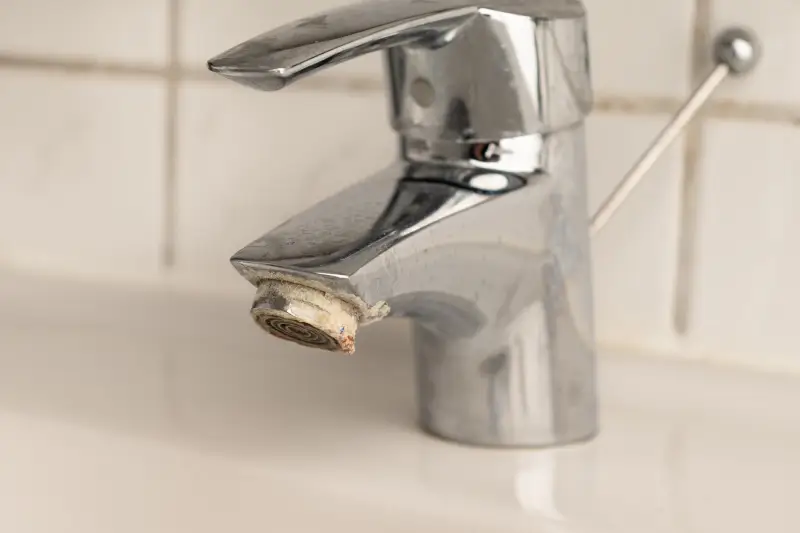
How Hard Water Can Quietly Affect Your Plumbing System
The hard water effects on plumbing often develop gradually, making them easy to overlook until performance begins to change. While hard water isn’t harmful to drink, the naturally occurring minerals it contains can leave behind mineral deposits that affect pipes, plumbing fixtures, and water-using appliances throughout your home.
Understanding the effects of hard water can help homeowners recognize early signs of wear, reduce unnecessary plumbing problems, and make informed decisions about maintaining their plumbing system.
What Is Hard Water?
Hard water contains higher concentrations of naturally occurring minerals, primarily calcium and magnesium. As water moves through rock and soil, it dissolves these minerals before entering the municipal water supply or private well system.
Every time hard water flows through your plumbing, small amounts of those minerals can remain behind. Over time, this gradual accumulation may contribute to hard water plumbing problems, especially in areas where hard water is common.
How Mineral Deposits Build Up Inside Plumbing
One of the most common hard water effects on plumbing is the gradual formation of limescale buildup inside plumbing components.
As water evaporates or flows through fixtures, dissolved minerals can attach to interior pipe surfaces, faucets, showerheads, and valves. While the buildup usually happens slowly, years of continued mineral accumulation can eventually affect how efficiently plumbing components perform.
This process, sometimes called pipe scaling, is one of the primary reasons homeowners notice changes in water flow or plumbing performance over time.
How Hard Water Can Affect Household Plumbing Fixtures
Hard water doesn’t only affect the pipes hidden behind your walls. Mineral accumulation can also develop on plumbing fixtures used every day.
You may notice:
- White or chalky residue around faucets and showerheads.
- Mineral spots on sinks and fixtures.
- Reduced water flow from faucets.
- Showerheads that spray unevenly.
- Faucet aerators that require more frequent cleaning.
These visible signs often indicate mineral deposits are accumulating throughout the plumbing system as well.
Can Hard Water Affect Your Water Heater?
Water heaters are among the household appliances most frequently affected by hard water because they continuously heat and store water.
Over time, limescale buildup may collect inside the tank or on heating components. As mineral accumulation increases, the water heater may need to work harder to heat water efficiently, potentially contributing to additional appliance wear over time.
Routine maintenance helps keep water heaters operating as intended and allows developing issues to be identified before they become more significant.
Why Hard Water May Reduce Water Pressure
If you’ve noticed water pressure gradually decreasing over several years, hard water and pipes may be one possible contributing factor.
As pipe scaling develops inside water lines, the available space for water to flow may gradually become smaller. While several plumbing conditions can affect water pressure, mineral buildup is one potential cause that becomes more common as plumbing systems age.
Because reduced water pressure has multiple possible causes, a plumbing inspection can help determine whether hard water is contributing to the problem.
Can Hard Water Shorten the Life of Plumbing Appliances?
Appliances that regularly use water — including water heaters, dishwashers, washing machines, and other household equipment — may gradually experience additional appliance wear as minerals accumulate over time.
This doesn’t mean every appliance will fail prematurely because of hard water, but continued mineral buildup can make certain components work harder than intended. Addressing maintenance needs early can help keep water-using appliances operating more efficiently.
When Should You Have Hard Water Problems Evaluated?
Not every mineral deposit requires immediate plumbing repairs, but recurring performance issues shouldn’t be ignored.
Professional plumbing service may be appropriate if:
- Water pressure continues to decline
- Mineral buildup repeatedly returns after cleaning
- Plumbing fixtures no longer perform normally
- Your water heater isn’t heating water consistently
- You suspect hard water damage to plumbing components over time
- You’re experiencing ongoing hard water plumbing problems throughout the home
Hale Home Services provides professional plumbing services throughout Utah, helping homeowners diagnose plumbing concerns and recommend appropriate repair or maintenance solutions.
How Plumbers Evaluate Hard Water-Related Plumbing Issues
When homeowners experience plumbing problems that may be related to hard water, the first step is identifying whether mineral buildup is contributing to the symptoms.
Depending on the concern, a plumber may:
- Inspect visible plumbing fixtures for limescale buildup
- Evaluate water flow from faucets and showerheads
- Assess plumbing components for signs of pipe scaling
- Check water-using appliances for symptoms consistent with mineral deposits
- Determine whether another plumbing issue is causing similar symptoms
Once the source of the problem has been identified, the appropriate plumbing recommendations can be made based on the condition of the system.
Frequently Asked Questions
Is hard water the same as contaminated water?
No. Hard water contains naturally occurring minerals such as calcium and magnesium. While these minerals can contribute to hard water plumbing problems, hard water is different from water contamination.
Can hard water leave stains on plumbing fixtures?
Yes. Mineral deposits can leave white, chalky residue or water spots on faucets, sinks, shower doors, and other plumbing fixtures, especially after water dries.
Why does my showerhead keep clogging?
If your showerhead repeatedly loses water flow, limescale buildup caused by hard water may be restricting the spray openings. Cleaning may improve performance temporarily, but recurring buildup is common in homes with hard water.
Can hard water affect both hot and cold water lines?
Yes. Hard water and pipes can affect both hot and cold plumbing lines, although mineral buildup often develops more quickly where water is heated.
Will a plumbing inspection confirm whether hard water is causing the problem?
A plumbing inspection can help determine whether pipe scaling, mineral deposits, or another plumbing issue is contributing to reduced performance. This allows repairs or maintenance to be based on the actual cause.
Can hard water affect bathroom and kitchen plumbing differently?
Both areas can experience hard water damage to plumbing components, but kitchens and bathrooms may show different signs depending on fixture usage, water temperature, and appliance connections.
Does hard water affect homes with municipal water and well water?
Yes. Hard water can occur in either municipal or private well systems depending on the natural mineral content of the local water supply.
Can hard water increase plumbing maintenance over time?
Yes. As effects of hard water gradually accumulate, plumbing fixtures and appliances may require more frequent cleaning or maintenance to continue performing properly.
Can a plumber recommend solutions for hard water problems?
Yes. After evaluating your plumbing system, a plumber can recommend maintenance or repair options based on the condition of your pipes, fixtures, and water-using appliances.
Who can help with hard water plumbing concerns in Utah?
If you’re experiencing hard water effects on plumbing or noticing recurring hard water plumbing problems, Hale Home Services provides professional plumbing services throughout Utah to evaluate your plumbing system and recommend appropriate solutions.