

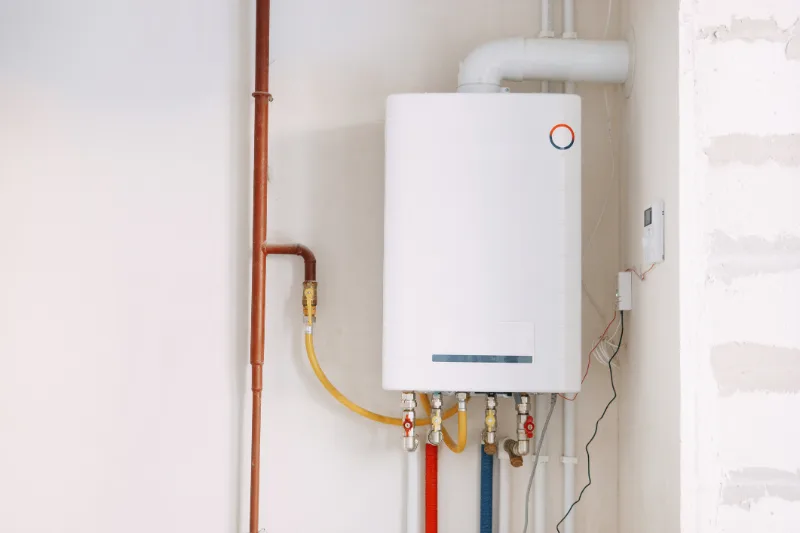
Choosing Between a Water Softener and a Water Filter
Two homes can have completely different water problems — even if they get their water from the same source. One struggles with white mineral deposits on faucets, while the other wants cleaner, better-filtered water. Comparing water softeners vs water filters helps explain why these systems aren’t interchangeable and why choosing the right one depends on what you’re trying to improve.
The Difference Between a Water Softener and a Filter
The biggest difference between water softeners and filter systems is what each one is designed to treat.
A water softener removes hard water minerals, while a water filter is designed to reduce unwanted particles or contaminants from the water supply.
Although they’re often installed together, they perform two very different functions.
| System | Primary Purpose | What It Removes |
| Water softener | Reduces water hardness | Hard water minerals such as calcium and magnesium |
| Water filter | Improves water quality | Sediment, particles, or other impurities, depending on the filtration system |
Understanding that distinction helps prevent investing in equipment that doesn’t address the problem you’re actually experiencing.
How a Water Softener Works
A water softener uses a process called ion exchange.
As water passes through the system, calcium and magnesium—the minerals responsible for hard water—are exchanged for sodium or potassium ions. This process helps reduce mineral deposits before the water travels through your plumbing system.
By reducing hard water minerals, a water softener can help minimize limescale buildup on plumbing fixtures and inside appliances.
How a Water Filter Works
Unlike a water softener, a filter doesn’t remove hardness minerals.
Instead, filtration systems are designed to improve water quality by capturing unwanted particles as water passes through the filter media. Depending on the type of system installed, this may include sediment filtration and other forms of water treatment.
Because filtration systems vary, the contaminants they reduce depend on the specific filter being used.
Water Softener or Water Filter: Which Do You Need?
Choosing a water softener or water filter depends on the problem you’re trying to solve.
A water softener may be the better choice if you notice:
- White mineral spots on fixtures
- Soap that’s difficult to rinse away
- Dry skin after bathing
- Limescale around faucets or appliances
A water filter may be more appropriate if your goal is to improve water quality by reducing sediment or other unwanted particles.
Some homes benefit from having both systems working together because they address different concerns.
Whole House Water Filter vs Softener
When comparing a whole-house water filter vs softeners, it’s helpful to remember that one isn’t automatically better than the other.
A whole-house water filter treats water as it enters the home by filtering particles based on the system’s design. A water softener treats hardness by removing hard water minerals through ion exchange.
Many homeowners install both systems because each performs a separate function.
Do I Need a Water Softener?
Hard water often leaves clues throughout your home before it becomes a plumbing concern. These are some of the most common signs to look for:
- Soap scum on showers and sinks
- Spots on dishes and glassware
- Reduced soap lather
- Mineral buildup around plumbing fixtures
- White deposits on faucets
A professional water evaluation can help determine whether hard water is contributing to these issues.
When to Talk to a Water Treatment Professional
Choosing the right water treatment system starts with understanding your home’s water rather than guessing which product is best.
Professional guidance may be helpful if:
- You’re unsure whether you have hard water.
- You’re comparing a water softener or water filter.
- Mineral buildup continues throughout the home.
- You’re considering a whole-house treatment system.
- You want a solution based on your household’s specific water conditions.
Frequently Asked Questions
Can a water softener filter water?
No. A water softener removes hard water minerals through ion exchange, while a filter is designed to reduce particles or other impurities depending on the filtration system.
Can I have both a water softener and a water filter?
Yes. Many homes use both because each system addresses a different aspect of water treatment.
Does a water softener remove sediment?
No. Sediment filtration is typically handled by a water filter rather than a softener.
What causes hard water?
Hard water contains elevated levels of naturally occurring calcium and magnesium, collectively known as hard water minerals.
Will a water softener prevent limescale?
A water softener helps reduce the limescale that forms when hard water minerals build up inside plumbing fixtures and appliances.
Is a whole-house water filter enough for hard water?
Not usually. A whole-house water filter vs softener comparison shows that filtration and water softening solve different problems. A filter generally doesn’t remove hardness minerals.
How do I know if my home has hard water?
Common signs include mineral spots on fixtures, soap scum, reduced soap lather, and visible limescale around faucets or appliances.
Does every home need a water softener?
No. Whether you need a water softener depends on your local water conditions and whether hard water is creating problems in your home.
Can hard water damage plumbing?
Over time, hard water minerals may contribute to mineral buildup inside pipes and plumbing fixtures, which can affect performance and efficiency.
Who can help choose a water treatment system in Utah?
If you’re deciding between a water softener vs water filter, Hale Home Services provides professional water treatment solutions throughout Utah and can help recommend the right system for your home’s water quality.
