

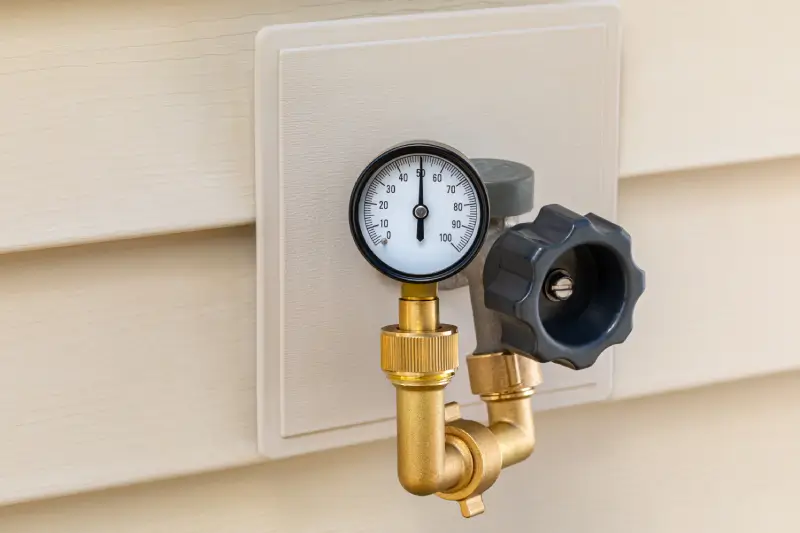
Understanding Why a Water Pressure Regulator Matters
A water pressure regulator helps keep your home’s plumbing system operating at a consistent water pressure. Without one, water entering from the municipal supply may fluctuate, placing unnecessary stress on pipes, fixtures, appliances, and plumbing connections. Although the device works quietly behind the scenes, it plays an important role in protecting your plumbing from pressure-related problems.
Understanding how a pressure reducing valve (PRV) works, the warning signs of a failing pressure regulator, and when water pressure regulator replacement may be appropriate can help homeowners recognize potential plumbing issues before they lead to more significant repairs.
What Is a Water Pressure Regulator?
A water pressure regulator, sometimes called a pressure reducing valve (PRV), is a plumbing device installed on the main water supply line entering a home. Its purpose is to reduce incoming water pressure to a controlled level before water travels throughout the plumbing system.
Rather than allowing changes in municipal water pressure to affect household plumbing directly, the regulator helps maintain a more consistent flow throughout the home. This controlled downstream pressure helps reduce unnecessary stress on plumbing components while providing reliable water pressure for everyday use.
How Does a Pressure Reducing Valve Work?
Inside a pressure reducing valve, internal components work together to control the amount of pressure moving through the plumbing system. As incoming water passes through the valve, the regulator automatically adjusts to help maintain a predetermined set point, even if the incoming pressure changes.
One of the key components inside the regulator is a flexible diaphragm, which responds to pressure changes and helps regulate water flow. As household water demand changes throughout the day, the regulator continually adjusts to maintain more consistent downstream pressure without requiring homeowner intervention.
Why Is Consistent Water Pressure Important?
Water pressure that’s too high can place unnecessary strain on your home’s plumbing system over time. Even if faucets appear to operate normally, excessive pressure may increase wear on plumbing fixtures, appliance connections, valves, and supply lines.
Maintaining consistent water pressure helps support the long-term performance of the plumbing system while reducing unnecessary stress caused by pressure fluctuations. That’s why a properly functioning water pressure regulator is an important part of many residential plumbing systems.
Signs of a Failing Water Pressure Regulator
Like many plumbing components, a water pressure regulator can wear over time. When this happens, it may no longer maintain consistent pressure throughout the home.
Common signs of a failing pressure regulator include:
- Water pressure that suddenly becomes noticeably higher or lower
- Pressure that changes throughout the day
- Faucets or showers delivering inconsistent water flow
- Unusual banging or vibration within the plumbing system
- Plumbing fixtures behaving differently than normal throughout the home
Because these symptoms can also have other plumbing causes, professional evaluation can help determine whether the regulator is contributing to the problem.
When Should a Water Pressure Regulator Be Replaced?
A water pressure regulator replacement may be recommended when the existing regulator is no longer able to maintain consistent pressure or has reached the end of its service life.
Rather than replacing the regulator simply because of its age, plumbers evaluate how the device is performing and whether pressure fluctuations are affecting the plumbing system. If the PRV is no longer operating as intended, replacement may help restore consistent water pressure throughout the home.
How Plumbers Evaluate a Water Pressure Regulator
If pressure-related concerns develop, a plumber can inspect the plumbing system to determine whether the water pressure regulator is functioning properly.
Depending on the situation, the evaluation may include:
- Checking overall water pressure entering the home
- Assessing downstream pressure throughout the plumbing system
- Looking for signs of a failing pressure regulator
- Determining whether the pressure reducing valve is maintaining its intended set point
- Recommending water pressure regulator replacement if appropriate
Once the cause of the pressure issue has been identified, recommendations can be made based on the condition of the plumbing system.
Need help with your water pressure regulator? Contact Hale Home Services for professional plumbing solutions throughout Utah.
Frequently Asked Questions
Can a water pressure regulator make my water pressure too low?
Yes. If a water pressure regulator is not functioning correctly or isn’t properly adjusted, it may reduce water pressure more than intended, affecting multiple fixtures throughout the home.
How long does a water pressure regulator typically last?
The lifespan of a pressure reducing valve (PRV) varies depending on water quality, usage, and plumbing conditions. A plumber can evaluate whether the regulator is still operating properly.
Can water pressure change throughout the day?
Yes. Municipal water pressure can fluctuate based on demand and other factors. A properly functioning water pressure regulator helps maintain more consistent downstream pressure inside the home.
Can high water pressure increase my water bill?
Excessive water pressure may increase the amount of water flowing through faucets, showers, and fixtures, which can contribute to higher household water usage over time.
Is a pressure reducing valve the same as a water pressure regulator?
Yes. A pressure reducing valve (PRV) is another name for a water pressure regulator. Both refer to the plumbing device that controls water pressure entering the home.
Can a water pressure regulator affect my water heater?
Consistently high water pressure can place additional stress on several plumbing components, including water heaters, fixtures, valves, and appliance connections.
Can low water pressure always be blamed on the regulator?
No. Low water pressure can have several causes. A failing pressure regulator is one possibility, but plumbing leaks, clogged pipes, or municipal supply issues may also contribute.
Where is a water pressure regulator usually located?
A water pressure regulator is commonly installed on the home’s main water supply line where water enters the property. Its exact location varies depending on the plumbing system.
Should I repair or replace a failing water pressure regulator?
The appropriate solution depends on the condition of the pressure reducing valve. A plumber can determine whether adjustment, repair, or water pressure regulator replacement is the best option.
Who replaces water pressure regulators in Utah?
If you’re experiencing signs of a failing pressure regulator, have questions about water pressure regulator replacement, or need a plumber to evaluate your pressure reducing valve, Hale Home Services provides professional plumbing services throughout Utah.
