

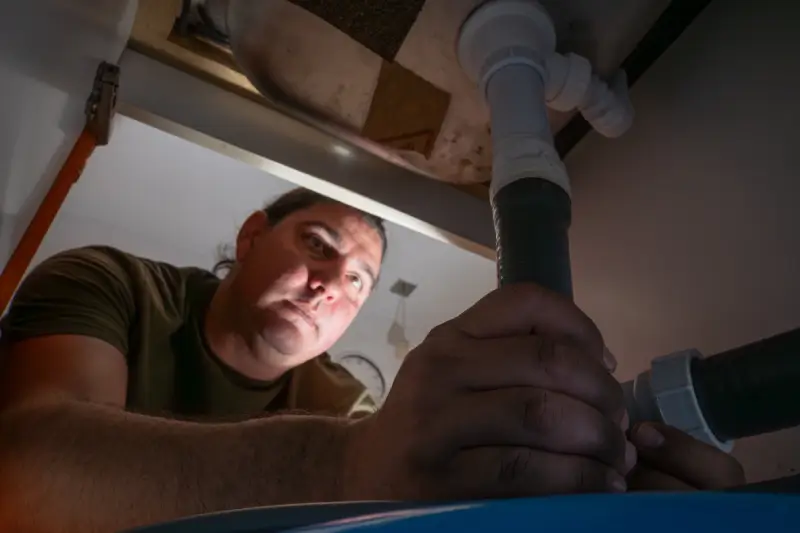
Start Protecting Your Plumbing from Day One
Moving into a new home comes with a long list of responsibilities, and understanding the plumbing system is one of the most important. Our plumbing tips for new homeowners can help you prevent unexpected repairs, recognize early warning signs, and keep your home’s plumbing operating reliably from the very beginning.
Whether you’re settling into your first house or simply learning the home plumbing basics, a little knowledge goes a long way. Knowing where key plumbing components are located and developing a few simple maintenance habits can help you avoid unnecessary stress and respond more confidently if a plumbing problem occurs.
Know Where Your Main Water Shutoff Valve Is
One of the first things every homeowner should locate is the home’s main water shutoff valve. If a pipe bursts, a supply line fails, or a plumbing fixture begins leaking unexpectedly, shutting off the water quickly can help limit damage until repairs can be made.
The exact shutoff location varies from one home to another, so it’s worth identifying it before an emergency happens. It’s also helpful to make sure everyone in the household knows where the valve is and understands when it should be used.
Taking a few minutes to find the shutoff valve after moving in can save valuable time during a plumbing emergency.
Learn the Signs of a Plumbing Leak
Not every plumbing problem begins with water on the floor. Some leaks develop gradually behind walls, beneath cabinets, or under flooring, making them difficult to notice at first.
As part of your new homeowner plumbing checklist, regularly watch for:
- Unexplained increases in your water bill.
- Water stains on ceilings or walls.
- Damp cabinets beneath sinks.
- Musty odors that persist indoors.
- Reduced water pressure at one or more fixtures.
Early leak detection helps prevent small plumbing problems from becoming larger repairs that affect both the plumbing system and your home.
Don’t Ignore Routine Water Heater Maintenance
Your water heater works every day, yet it’s often overlooked until hot water becomes a problem. Including basic maintenance in your regular home care routine can help keep the system operating efficiently.
One maintenance task homeowners often hear about is a water heater flush. Flushing helps remove accumulated sediment from inside the tank, which can build up naturally over time depending on water conditions.
If you’re unsure whether your water heater requires maintenance or notice changes in hot water performance, it’s a good idea to have the system inspected before small issues become larger ones.
Protect Your Drains with Good Everyday Habits
Many drain problems develop gradually rather than all at once. Small amounts of grease, soap residue, food particles, hair, and other debris can accumulate over time, slowing drainage long before a complete blockage occurs.
Simple drain care habits can help keep water flowing properly, including:
- Avoid pouring grease or cooking oil into kitchen drains
- Dispose of food scraps in the trash whenever possible
- Use drain strainers to help catch hair and larger debris
- Avoid flushing anything other than toilet paper down toilets
- Address slow drains before they become complete clogs
Good drain habits are one of the easiest ways for first-time homeowner plumbing maintenance to become part of everyday home care.
Pay Attention to Changes in Your Plumbing System
Your plumbing system often provides subtle warning signs before a larger problem develops. Becoming familiar with how your home’s plumbing normally sounds and performs makes it easier to recognize when something changes.
Keep an eye out for:
- Faucets that suddenly lose water pressure.
- Toilets that begin running more often.
- Drains that empty more slowly than usual.
- Unusual noises from plumbing fixtures or pipes.
- Water that takes longer than normal to heat.
Not every change requires immediate repairs, but paying attention to these early signs allows problems to be investigated before they become more disruptive.
Build Simple Plumbing Maintenance into Your Routine
Owning a home doesn’t mean performing complicated plumbing maintenance every month. Instead, a few consistent habits can help reduce the likelihood of unexpected problems.
A practical new homeowner plumbing checklist may include:
- Periodically checking under sinks for moisture
- Testing plumbing fixtures for leaks
- Watching for changes in water pressure
- Keeping drains clear with good daily habits
- Scheduling professional plumbing inspections if recurring issues develop
Regular observation allows many plumbing concerns to be identified earlier, making routine maintenance one of the simplest ways to protect your investment.
When Should New Homeowners Call a Plumber?
Some plumbing issues can be handled with simple observation or routine maintenance, while others require professional evaluation.
Professional service is recommended if:
- You discover an active plumbing leak
- You cannot locate or operate the home’s shutoff location during an emergency
- You suspect hidden water damage or need leak detection
- Drains repeatedly clog or back up despite good drain care habits
- You have concerns about your water heater or aren’t sure whether a water heater flush is needed
Hale Home Services provides professional plumbing services throughout Utah, helping homeowners diagnose plumbing problems, perform reliable repairs, and keep residential plumbing systems operating safely and efficiently.
How Professional Plumbing Inspections Help New Homeowners
A plumbing inspection gives new homeowners a better understanding of the condition of their plumbing system and can help identify concerns before they become costly repairs.
Depending on the home’s age and plumbing condition, a plumber may:
- Inspect visible plumbing for signs of leaks or wear
- Evaluate fixtures and drain performance
- Check for plumbing conditions that may require maintenance
- Identify areas that should be monitored over time
- Recommend repairs if developing plumbing issues are found
Learning the condition of your plumbing system early can help you plan future maintenance with greater confidence and reduce the likelihood of unexpected plumbing problems.
Frequently Asked Questions
What plumbing problems are most common in a first home?
Many first-time homeowners encounter dripping faucets, running toilets, slow drains, worn shutoff valves, or aging water heaters. Becoming familiar with these common issues can help you recognize problems before they require major repairs.
Should I have my plumbing inspected after buying a house?
If the home’s plumbing history is unknown or the property is older, a professional plumbing inspection can help identify leaks, aging components, or maintenance needs that may not be visible during a standard home inspection.
How do I know if my water pressure is too high?
Excessively high water pressure may cause noisy pipes, leaking fixtures, or premature wear on plumbing components. If you notice these signs, it’s worth having the plumbing system evaluated.
Can tree roots damage residential plumbing?
Yes. Tree roots can sometimes grow into underground sewer lines through small openings or aging pipe joints. Recurring drain backups or slow drainage may indicate the sewer line should be inspected.
Should I flush my water heater every year?
Maintenance schedules vary depending on the type of water heater, the manufacturer’s recommendations, and local water conditions. If you’re unsure whether a water heater flush is needed, a plumbing professional can recommend the appropriate maintenance.
Can I use chemical drain cleaners for clogged drains?
Occasional use may clear certain minor clogs, but chemical drain cleaners aren’t suitable for every plumbing system or blockage. Frequent drain problems should be professionally diagnosed rather than repeatedly treated with chemicals.
What’s the difference between a home inspection and a plumbing inspection?
A general home inspection provides an overall evaluation of the property, while a plumbing inspection focuses specifically on the condition and performance of the plumbing system and its components.
Can small plumbing leaks really increase my water bill?
Yes. Even minor leaks can waste water continuously over time, making leak detection an important part of protecting both your plumbing system and your monthly utility costs.
What should I keep in my home for basic plumbing emergencies?
Many homeowners keep a plunger, a bucket, towels, a flashlight, and basic hand tools available for minor plumbing situations while waiting for professional service if needed.
Who helps new homeowners with plumbing services in Utah?
If you’re looking for plumbing tips for new homeowners, Hale Home Services provides professional plumbing services throughout Utah to help keep your home’s plumbing system operating reliably.
