

What Drain Cleaner is Safe for PVC Pipes
You’ve got a slow drain in the bathroom sink. You grab the bottle of chemical drain cleaner sitting under the cabinet, pour it in, and wait. Sound familiar? Millions of homeowners do this every year — and many don’t realize that the same product they’re counting on to clear the clog may be quietly damaging the PVC pipes running through their walls and floors.
PVC (polyvinyl chloride) is the white plastic pipe found in most modern residential plumbing systems. It’s lightweight, corrosion-resistant, and cost-effective — but it’s not invincible. Certain drain cleaning products generate enough heat or chemical aggression to warp PVC, soften pipe joints, and compromise your entire plumbing infrastructure over time.
In this guide, you’ll learn what drain cleaner is safe for PVC pipes, how to spot the products you should never use, what natural drain cleaning solutions for PVC pipes actually work, and when it’s time to stop DIYing and call a licensed plumber.
What Makes a Drain Cleaner Safe or Unsafe for PVC Pipes?
Homeowners often ask what chemicals are safe for PVC drain pipes. Not all drain cleaners are created equal — and the chemistry behind them matters enormously when plastic pipes are involved. To understand drain cleaner compatibility with PVC, you need to understand how different formulations work inside your pipes.
Chemical drain cleaners typically fall into three categories: caustic (alkaline), acidic, and oxidizing. Caustic cleaners, the most common type, rely on sodium hydroxide (lye) to dissolve organic blockages. The problem? The exothermic reaction this creates generates significant heat — enough to soften PVC pipe walls, loosen solvent-welded joints, and degrade the structural integrity of fittings over time. Repeated exposure to these heat cycles is like slowly aging your plumbing from the inside.
Acidic drain cleaners containing sulfuric or hydrochloric acid are the harshest category and should never be used in a system with PVC or plastic pipes. While oxidizing cleaners (peroxide or bleach-based) are gentler, they can still cause long-term oxidation damage, particularly at joints and connectors in older systems.
When choosing a safe drain cleaner for PVC pipes home use, enzymatic and bio-based solutions are the best long-term option because they clean without heat or corrosion.
Enzymatic and bacterial drain cleaners are the standout exception. They use live cultures and naturally occurring enzymes to biologically digest organic material — hair, grease, soap scum, food residue — without generating heat or corrosive byproducts. They work more slowly, but they’re the safest chemical option for PVC plumbing by a wide margin.
“The cheapest drain cleaner in the hardware store aisle might be the most expensive decision you make for your plumbing this year.”
Why Choosing the Right Drain Cleaner for PVC Pipes Matters
The stakes with PVC pipe maintenance are higher than most homeowners realize. A single aggressive treatment with the wrong product rarely causes catastrophic failure — but it plants the seeds of a much larger problem. Over months and years, the cumulative effect of heat exposure and chemical degradation can cause:
- Micro-fractures in pipe walls that become visible cracks under water pressure
- Loosening of solvent-welded joints that leads to slow hidden leaks
- Deformation of P-traps and drain fittings that disrupts proper drainage
- Voiding manufacturer warranties on newer PVC pipe installations
- Expensive whole-section pipe replacement in lieu of what started as a $10 clog
The risk compounds when a product doesn’t fully clear a blockage. When sodium hydroxide sits against a tough, compacted clog that it can’t dissolve, the heat-generating chemical reaction continues — unrelenting — against your pipe walls. The longer it lingers, the more structural damage accumulates.
This is also a safety concern for your household. Caustic cleaners are highly toxic if inhaled or contacted with skin or eyes. Mixing different products — a surprisingly common DIY mistake — can trigger violent chemical reactions and release toxic gases. Children and pets near recently treated drains face real exposure risks.
The 5 Types of Drain Cleaners Ranked for PVC Safety
1. Enzymatic / Bacterial Drain Cleaners — Safest Choice
If you are wondering, “Is enzymatic drain cleaner safe for PVC plumbing?” The answer is yes. Products using enzymatic or bacterial action are the gold standard for PVC plumbing safety. These formulations introduce live bacterial cultures that feed on and break down organic matter: fats, oils, proteins, hair, and soap scum. They produce no heat, generate no corrosive byproducts, and are safe for all pipe materials, including PVC, ABS, cast iron, and galvanized steel.
Examples include Bio-Clean, Green Gobbler Enzyme Drain Cleaner, and similar bio-enzymatic products. The trade-off is time — these work over hours to days rather than minutes, making them better suited for preventive maintenance than emergency clogs.
Look for products that explicitly state no sodium hydroxide in the ingredient list. Some enzymatic cleaners still contain trace amounts of this compound, which can still affect older PVC with loose connections. See EPA’s Safer Choice program for certified eco-friendly cleaning products.
2. Baking Soda + Vinegar — The Reliable DIY Method
The classic household combination of baking soda (sodium bicarbonate) and white vinegar creates a foaming, mild-acid reaction that can dislodge early-stage organic buildup and neutralize drain odors without any risk to PVC whatsoever. Pour half a cup of baking soda down the drain, follow with one cup of white vinegar, let it fizz for 15–30 minutes, then flush with hot (not boiling) water.
This method won’t power through a severe clog — it’s honest maintenance chemistry, not a miracle cure. But as a weekly or bi-weekly drain maintenance routine, it dramatically reduces buildup and extends the time between professional service calls.
3. Hot Water Flushing — Simple and Often Overlooked
Running hot (but not boiling) water down your drains for 30–60 seconds after each use of grease-producing fixtures is one of the most underrated preventive strategies in residential plumbing. It keeps fat and soap residue from solidifying along the inner walls of PVC drain pipes. Note: avoid boiling water — temperatures above 140°F can begin to warp PVC pipes, particularly at joints.
4. Oxidizing Cleaners — Use Sparingly
If you’re wondering, can you use drain cleaner in PVC pipes safely, the answer depends on the formulation. Bleach or peroxide-based oxidizing cleaners are a middle-ground option. They’re less aggressive than caustic lye-based products and less likely to generate damaging heat, but they still cause cumulative oxidation at pipe joints over time. If you use them, follow dosing directions exactly, flush thoroughly afterward, and limit use to occasional emergency applications rather than routine maintenance.
5. Caustic & Acid-Based Cleaners — Avoid in PVC Systems
Products built around sodium hydroxide (lye) or sulfuric/hydrochloric acid should be considered incompatible with PVC plumbing. Even single-use scenarios can cause damage when the product fails to clear the clog and lingers against pipe walls. If a clog is tough enough to need these products, it’s tough enough to warrant a professional plumber with a drain snake or hydro-jetting equipment.
Common Mistakes Homeowners Make with Drain Cleaners and PVC
Mixing Drain Cleaners: Mixing products is the most dangerous error. Never pour a second drain cleaner into a drain where another product is still present. The resulting chemical reaction can generate toxic gases, extreme heat, and enough pressure to crack drain fittings — turning a minor clog into a plumbing emergency.
Trusting “All-Pipe Safe” Labels: Using ‘all-pipe safe’ labeling as a green light without reading the full ingredient list is a close second. Many products claim PVC compatibility on the front label while listing sodium hydroxide prominently in the formulation. Verify ingredients, not just marketing copy.
Using Boiling Water: Pouring boiling water down PVC drains, thinking it’s ‘chemical-free’ and therefore safe. Thermal stress from boiling water softens PVC and can loosen the glue joints at fittings, particularly in pipes that are already slightly aged.
Ignoring Physical Blockages: Using drain cleaners to address clogs that are physically caused. Chemical cleaners cannot dissolve a child’s toy, a rubber cap, or a hairbrush stuck in the drain. If flushing and plunging don’t budge the blockage, it’s likely a physical obstruction requiring mechanical removal.
Overlooking Deeper Plumbing Issues: Treating a recurring clog as a maintenance issue when it’s actually a symptom of a deeper plumbing problem — partial pipe collapse, tree root intrusion, or decades of sedimentation that a drain snake or hydro-jetting is needed to address.
PVC (polyvinyl chloride) is widely used in modern plumbing because it’s lightweight, corrosion-resistant, and cost-effective. If you want a deeper understanding of why it’s the preferred material, explore the benefits of PVC plumbing fittings vs metal pipes.
Non-Chemical Drain Cleaning Solutions: When to Reach for the Tools
A good drain plunger — specifically a cup-style plunger for sinks and tubs — can clear a surprising proportion of household drain clogs through simple hydraulic pressure, no chemicals required. Plunging is safe for all pipe types and should always be your first mechanical intervention.
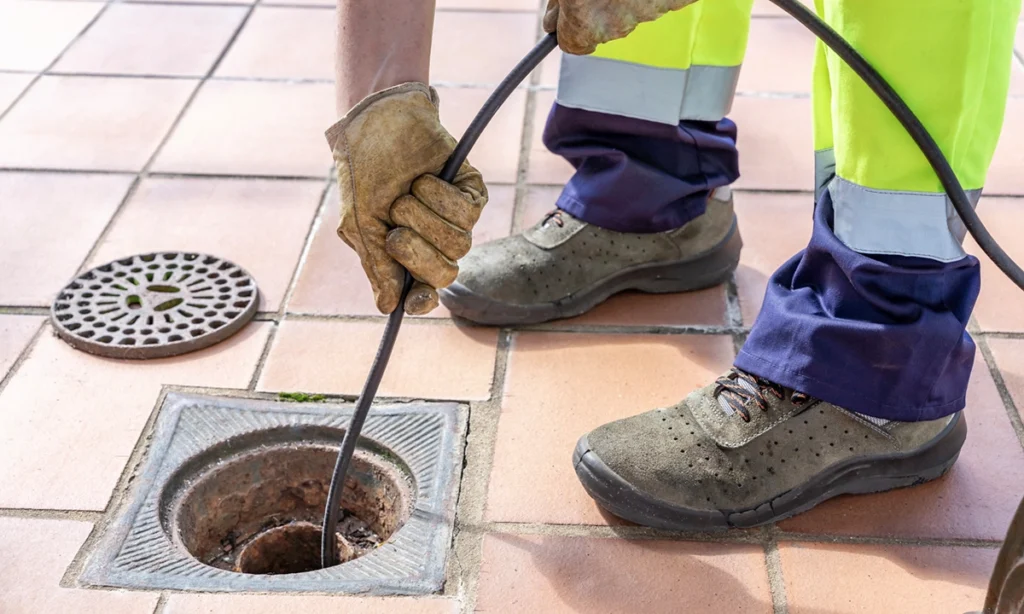
A handheld drain snake (also called a drain auger) is the next step up. Inserting the coiled end into the drain and rotating the handle allows you to physically break apart or retrieve clogs sitting just below the drain opening, inside P-traps, or in the first few feet of horizontal run. Drain snakes are reusable, cost-effective, and pipe-friendly.
For persistent blockages, professional drain cleaning services offer drain cameras, motorized augers, and hydro-jetting — high-pressure water cleaning that removes blockages and buildup simultaneously without any chemical exposure. Learn more about professional drain cleaning methods from the American Society of Plumbing Engineers.
For ongoing maintenance tips and professional drain services near you, visit the Hale Home Services blog or explore our plumbing services.
Quick Answers: What People Ask About Drain Cleaners and PVC
Is Drano safe for PVC pipes?
Most Drano formulations contain sodium hydroxide as their primary active ingredient. While the company markets some products as compatible with plastic pipes, the heat generated by lye-based chemistry poses a documented risk to PVC, particularly in older systems or applications where the product doesn’t fully clear the clog within the recommended time window. Enzymatic alternatives are a safer long-term choice.
Can I use any liquid drain cleaner in a PVC drain?
Not safely, no. Liquid drain cleaners vary widely in their chemical aggressiveness. The safest liquids for PVC are enzyme-based or bacterial formulations. Check the full ingredient list for sodium hydroxide and sulfuric acid — their presence indicates potential pipe harm regardless of what the front label says.
What is the safest drain cleaner for plastic pipes overall?
Enzyme-based and bio-bacterial drain cleaners are universally recognized by licensed plumbers as the safest chemical option for plastic pipe systems. Products like Bio-Clean, Green Gobbler Enzyme Cleaner, and similar bio-enzymatic treatments cause no thermal or chemical damage to PVC or ABS.
How often should I use a drain cleaner on PVC pipes?
Enzymatic cleaners can be used monthly as a maintenance treatment without harm to PVC. Chemical cleaners should be used rarely, only in emergencies, and never as a substitute for proper mechanical cleaning or professional service. The best strategy is routine hot water flushing and an enzyme treatment once a month.
Will one use of Drano ruin my PVC pipes?
A single application in a system where the product clears the clog quickly is unlikely to cause catastrophic damage. The real danger accumulates with repeated use, or when the product sits against a stubborn blockage for extended periods. The heat continues building until the clog moves — or the pipe gives.
The Right Drain Cleaner for PVC Protects More Than Your Pipes
Many homeowners search for the best chemical drain cleaner for PVC pipes, but the reality is that most strong chemical formulas (like lye or acid) carry risks, making enzyme-based cleaners the safer alternative. The cost of that trade becomes very real when a PVC joint fails, when a concealed leak develops behind drywall, or when a partial pipe collapse requires excavation and replacement.
“Prevention costs pennies. Pipe replacement costs thousands. The most effective drain cleaner is the one your plumber recommends — not the one on the end cap at the hardware store.”
If you’re dealing with a recurring clog that over-the-counter products haven’t resolved, or if you want a professional assessment of your PVC system’s condition, Hale Home Services is ready to help. Our licensed plumbers use camera inspection, mechanical cleaning, and enzyme-based maintenance programs to keep your drains flowing — without compromising the pipes that carry them.
Contact Hale Home Services today to schedule a drain inspection or ask about our whole-home plumbing maintenance plans.
Frequently Asked Questions
Q: What drain cleaner is safe for PVC pipes?
A: Enzymatic or bio-bacterial drain cleaners are the safest for PVC pipes. They use live bacteria and enzymes to break down organic material without generating heat or corrosive byproducts that can warp or weaken PVC.
Q: Does hot water damage PVC drain pipes?
A: Hot water is generally safe, but boiling water (212°F) can soften PVC at joints and fittings. Use hot tap water — around 120–140°F — for flushing drains rather than water straight off the stovetop.
Q: Is baking soda and vinegar safe for PVC pipes?
A: Yes. The mild acid reaction between baking soda and white vinegar poses no thermal or chemical risk to PVC pipes. It’s an excellent routine maintenance solution for preventing early-stage buildup and neutralizing odors.
Q: Can chemical drain cleaners void a plumbing warranty?
A: In some cases, yes. Certain PVC pipe manufacturers and plumbing contractors specify that the use of strong caustic or acidic drain cleaners can void warranty coverage on installed systems. Always check installation documentation.
Q: How do I know if my drain cleaner is safe for PVC?
A: Check the full ingredient list, not just the front label. Avoid any product containing sodium hydroxide (lye), sulfuric acid, or hydrochloric acid for use in PVC systems. Look for the EPA Safer Choice label or enzyme/bio-bacterial designation.
Q: What happens if drain cleaner sits too long in PVC pipes?
A: The ongoing exothermic reaction from sodium hydroxide-based cleaners continues to generate heat while the product sits against a stubborn clog. Extended contact can soften PVC walls, degrade solvent-welded joints, and leave the pipe structurally weakened even after the blockage eventually clears.
Q: Should I call a plumber for a clogged PVC drain?
A: If plunging and enzymatic treatments haven’t resolved the blockage within 24–48 hours, or if multiple drains are backing up simultaneously, call a licensed plumber. Persistent clogs often indicate deeper issues — root intrusion, partial collapse, or major sedimentation — that chemical products cannot address.
Q: Are non-corrosive drain cleaners for plastic pipes effective?
A: Yes, particularly enzymatic formulations. While they work more slowly than caustic alternatives, they effectively dissolve organic material, including grease, hair, and soap scum, over time. For routine maintenance, they’re often more effective in the long run because they don’t trigger future accelerated buildup the way chemical residue can.
