

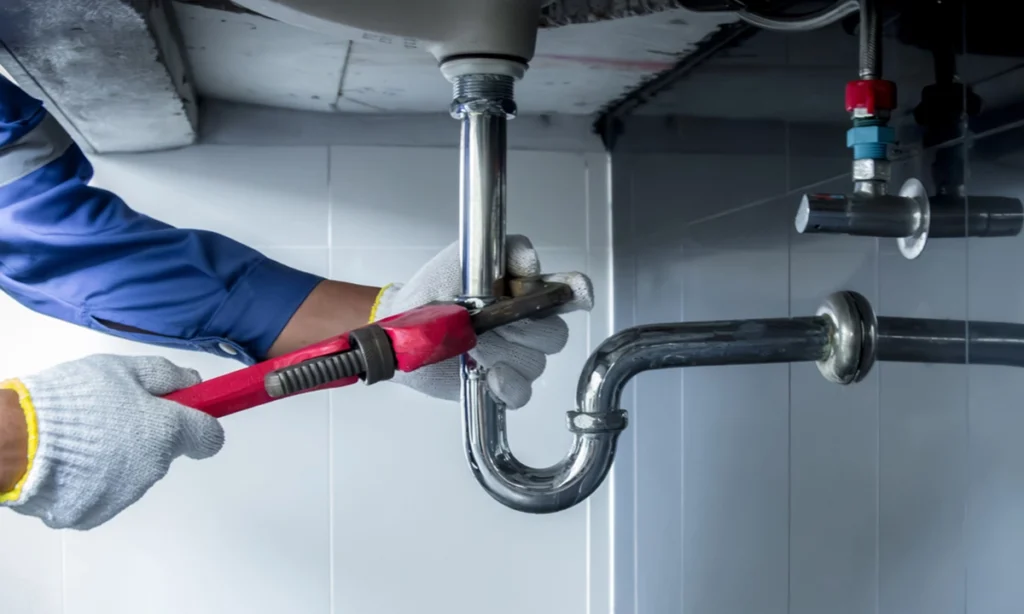
How Much Does a Plumbing Repair Cost
Picture this: you walk into your kitchen on a Tuesday morning, and there’s water silently pooling beneath your sink. You don’t know if it’s a $75 fix or a $750 nightmare. You call a plumber, and within minutes you’re being quoted a number that feels pulled from thin air.
Sound familiar?
Most homeowners have no frame of reference when it comes to plumbing costs — and that information gap is exactly where overpaying happens. Whether you’re dealing with a slow drain, a dripping faucet, a burst pipe, or a leaking water line beneath your slab, understanding what drives pricing puts you back in control.
In this guide, you’ll get a complete, honest breakdown of how much plumbing repair costs in 2026 — by job type, by region, by urgency, and by the factors that make prices jump. No fluff, no scare tactics. Just what you actually need to know before you pick up the phone.
If you’re already facing an issue, exploring professional services like drain cleaning, water heater repair, or sewer line repair in Salt Lake City can help you act before costs escalate.
What Is a Plumbing Repair — and What Does It Actually Cover?
“Plumbing repair” is one of those broad terms that can mean a $90 drain clearing or a $4,000 pipe reroute. At its core, residential plumbing repair refers to diagnosing and fixing failures within a home’s water supply, drain-waste-vent (DWV), or fixture systems.
Here’s a quick breakdown of the most common repair categories:
| Repair Type | Typical Scope | Complexity |
| Leaky faucet / fixture | Washer, O-ring, cartridge replacement | Low |
| Drain clog | Snaking, hydro-jetting, cleanout access | Low–Medium |
| Pipe leak / burst | Section replacement, joint repair, re-pipe | Medium–High |
| Water heater issues | Thermostat, anode rod, element, full replacement | Medium–High |
| Slab leak | Detection, tunneling, reroute | High |
| Sewer line | Scoping, spot repair, lining, replacement | High |
| Toilet repair | Flapper, fill valve, wax ring, flange | Low |
| Water pressure issues | PRV adjustment/replacement, pipe sizing | Medium |
Understanding which category your issue falls into helps you anticipate cost ranges before a technician ever sets foot in your home.
Why Knowing the Average Plumbing Repair Cost in the US Matters
Most homeowners budget for mortgages, utilities, and groceries — but not for plumbing emergencies. That’s a costly blind spot.
According to industry data, the average plumbing repair cost in the US ranges from $175 to $850 for standard residential jobs, while complex or emergency work can push well beyond $2,000. Yet most households have less than $500 set aside for unexpected home repairs.
Here’s why that gap is dangerous:
- A small pipe leak left unaddressed can cause $2,500–$15,000 in water damage within days
- Mold remediation triggered by chronic moisture issues can cost $500–$6,000 depending on scope
- A deferred sewer issue can escalate from a $400 camera inspection to a $8,000+ line replacement
“Plumbing isn’t just infrastructure — it’s leverage. The longer a problem sits, the more of your home it negotiates into the repair price.”
Understanding residential plumbing repair pricing guide benchmarks isn’t about becoming your own plumber. It’s about having the vocabulary and the numbers to make informed decisions — and to recognize when a quote is fair, inflated, or suspiciously low.
Key Factors That Determine the Cost to Fix Plumbing Issues in Home
No two plumbing repairs are priced identically — and that’s not contractor trickery. Here are the five primary variables that drive your final bill.
The Type and Complexity of the Repair
A running toilet that needs a new flapper takes 20 minutes and costs $75–$150 parts and labor. A pinhole leak inside a wall that requires drywall removal, pipe access, section replacement, and patchwork? That’s a different conversation — likely $400–$1,500 depending on your area and wall construction.
Complexity multiplies cost in three ways: time on the job, materials required, and trade skill level needed. Licensed plumbers bill more for work that demands precision — gas line proximity, load-bearing wall access, or proximity to electrical panels.
2. How Much Do Plumbers Charge Per Hour for Repairs?
Labor is the largest variable in any plumbing bill. How much do plumbers charge per hour for repairs varies significantly by region, but national averages sit at:
- Standard rate: $75–$150/hour
- Master plumber rate: $100–$200/hour
- Emergency or after-hours rate: $150–$300/hour
Most contractors charge a plumbing service call cost — typically $50–$150 — just to show up and diagnose, separate from the hourly rate. Some apply this fee toward the repair if you proceed; others don’t. Always ask upfront.
In high cost-of-living metros (San Francisco, New York, Seattle), labor rates sit at the high end or beyond. In mid-sized cities and rural areas, you’ll typically see rates toward the lower range.
3. Emergency vs. Scheduled Service
An emergency plumbing repair cost estimate will almost always be higher than the same job performed during normal business hours. Expect a 25–75% premium for:
- Weekend or holiday calls
- Same-day emergency service
- After-hours responses (typically after 5 PM)
- Calls made during severe weather events
The plumbing service call cost breakdown for emergency visits often includes a flat emergency dispatch fee ($100–$200), followed by standard or elevated hourly rates. If you can safely wait until morning, it’s almost always financially worth it — unless water is actively damaging your structure.
4. Materials, Permits, and Local Code Requirements
The price to repair a water leak plumbing system includes more than labor. Material costs fluctuate with supply chains, and some municipalities require permits for certain repair types (particularly any work touching main water supply lines or sewer connections).
Permit fees: $50–$300 depending on jurisdiction Pipe materials (copper vs. PEX vs. CPVC): can vary by 30–60% in cost per linear foot Fixture-grade components: homeowner-supplied vs. contractor-supplied carries a markup
Pro tip: contractors typically mark up materials 10–20% over their cost. Supplying your own fixtures for simple replacements (faucets, shower heads) can reduce your bill — but confirm with your plumber before assuming this is an option.
5. Access and Location Within the Home
Plumbing that’s easy to reach costs less to repair. Plumbing that’s behind tile, beneath a concrete slab, inside a wall cavity, or under a deck costs significantly more — because labor time increases, and sometimes specialized equipment (leak detection sensors, thermal cameras, pipe cameras) is required.
Slab leak detection alone can run $150–$400 before any actual repair begins. Rerouting a slab leak adds $1,500–$4,000+ to the total.
Common Mistakes Homeowners Make When Budgeting for Plumbing Repairs
Accepting the First Quote Without a Second
For any job over $500, getting two or three quotes isn’t just smart — it’s standard practice. Pricing in the residential plumbing repair market varies widely. A $900 quote from one licensed plumber might be $550 from another equally qualified contractor in the same zip code.
Confusing “Cheap” with “Cost-Effective”
Unusually low quotes sometimes signal unlicensed work, inferior materials, or a contractor who will find ways to add charges mid-job. A fair price from a licensed, insured plumber often costs less in the long run than a cut-rate fix that fails in six months.
Ignoring Slow Leaks Because They Seem Minor
A faucet dripping at one drop per second wastes approximately 3,000 gallons per year. Beyond the water bill impact, slow leaks behind walls create the perfect conditions for wood rot and mold — both far more expensive to remediate than the original drip.
Not Asking for an Itemized Estimate
A global quote like “pipe repair: $650” tells you nothing. Request a line-item breakdown: service call fee, estimated hours, materials list, and any potential add-ons. This protects you from surprise charges and helps you compare quotes accurately.
DIY-ing the Wrong Repairs
Some plumbing tasks are genuinely DIY-friendly (replacing a flapper, unclogging a P-trap, swapping a showerhead). Others are legally or structurally dangerous without a license — main line work, gas-adjacent plumbing, anything involving permits. Know the boundary before you reach for the wrench.
What to Expect: Plumbing Repair Cost Ranges by Job Type (2026)
Here’s a field-level residential plumbing repair pricing guide based on current labor and material rates across the US:
| Job Type | Low Estimate | High Estimate | Avg. Duration |
| Faucet repair / replacement | $100 | $350 | 1–2 hrs |
| Toilet repair | $75 | $400 | 1–3 hrs |
| Drain cleaning (snake) | $100 | $300 | 1–2 hrs |
| Hydro-jetting | $300 | $600 | 2–4 hrs |
| Pipe section replacement | $400 | $1,500 | 2–6 hrs |
| Water heater repair | $150 | $700 | 1–4 hrs |
| Slab leak detection + repair | $500 | $4,500 | 1–3 days |
| Sewer line camera inspection | $150 | $400 | 1–2 hrs |
| Sewer line spot repair | $1,000 | $4,000 | 4–8 hrs |
| Full repipe (2–3 bath home) | $4,000 | $15,000 | 2–5 days |
| Water pressure regulator | $200 | $600 | 1–3 hrs |
Ranges reflect national averages. Your local market, home age, and material condition can shift these figures significantly.
For a more tailored breakdown based on your specific situation, Hale Home Services offers free plumbing estimates with no obligation.
How Emergency Plumbing Pricing Actually Works — What Most Articles Don’t Explain
Most pricing guides stop at “emergency costs more.” But here’s what’s rarely explained: how emergency plumbing billing is structured — and why your final bill can look very different from the verbal estimate.
Dual-tier billing is common. Many companies charge a flat emergency dispatch fee ($100–$250) as a non-negotiable line item, then bill hourly from the moment the technician arrives — not from when they start working. Drive time to parts suppliers, waiting for water to drain before access is possible, or coordination calls with a supervisor all count as billable time.
The diagnosis-to-repair gap is where costs often balloon. A technician who quotes “$250 to fix the leak” may not account for discovering that the leak source is behind a tile wall. Scope-of-work changes mid-job are legitimate — but a professional contractor will pause, explain, and get your sign-off before proceeding.
What to ask before you authorize emergency work:
- Is the dispatch fee separate from labor, or applied to the total?
- What is your hourly rate during this call?
- Will you stop and notify me if the scope changes beyond your initial estimate?
- Is there a not-to-exceed cap on this job?
Getting these answers documented (even via text message) protects both parties and sets the right expectations before work begins.
Quick Answers to What People Are Actually Asking
What’s a fair price to fix a leaky pipe under my sink?
For a standard under-sink pipe leak — whether it’s a worn P-trap, a cracked supply line, or a failing compression fitting — expect to pay between $100 and $350. The job usually takes under two hours, and most of the cost is labor. If the cabinet shows water damage, remediation adds to the total.
How much does an emergency plumber cost at night?
After-hours emergency plumbing typically costs $150–$300 per hour, plus a dispatch fee of $100–$200. A two-hour midnight leak repair could reasonably run $500–$800 total. Rates vary by company and region, so ask for an estimate before authorizing work.
Is it cheaper to repair or replace a leaking pipe?
For isolated leaks in accessible areas, repair is almost always more cost-effective — typically $200–$600 vs. $1,500–$15,000 for full repiping. However, if your home has aging galvanized steel pipes, widespread pinhole leaks, or chronic pressure problems, a full repipe may save money over repeated repair calls within a few years.
Why do plumbers charge a service call fee?
The service call fee covers the plumber’s travel time, fuel, insurance overhead, and diagnostic labor — regardless of whether you proceed with the repair. It’s standard industry practice. Most reputable companies apply it toward your total if you book the work; always confirm this policy before scheduling.
How long does a basic plumbing repair take?
Simple fixture repairs (faucets, toilets, supply lines) typically take one to two hours. Mid-complexity jobs like drain clearing or section pipe replacement run two to four hours. Complex work such as slab leak repair or repiping can span multiple days. Time directly drives labor cost, so complexity = cost.
Conclusion — Don’t Let Sticker Shock Make a Small Problem Bigger
How much does a plumbing repair cost? The honest answer is: it depends — but now you have the framework to understand why it depends, and what you can do to keep that number reasonable.
The single most expensive thing you can do in home plumbing is wait. A $150 faucet repair ignored for six months can become a $2,000 drywall and mold project. A slow drain that “mostly works” can back up into a $600 hydro-jet cleaning — or worse, a sewer line failure.
“In plumbing, delay isn’t patience — it’s compounding interest on a problem that was already asking to be solved.”
Know your repair category. Ask for itemized estimates. Understand the emergency pricing structure. And act before the problem acts for you.
If you’re dealing with a plumbing issue — from a minor drip to a significant leak — the team at Hale Home Services is available to assess, diagnose, and repair with upfront, honest pricing. Explore our full range of plumbing services or schedule a service visit today.
FAQ: Questions Most Plumbing Cost Guides Don’t Answer
Q1: Can I negotiate plumbing repair pricing?
Yes — especially for non-emergency, scheduled work. Asking whether a company offers a multi-job discount, a first-time customer rate, or off-peak scheduling pricing is completely legitimate. Most contractors won’t advertise flexibility, but many have it.
Q2: Why did my plumbing repair cost more than the original estimate?
Estimates are based on visible information. Once a wall is opened or a pipe is exposed, hidden conditions — corroded fittings, asbestos pipe wrap, unexpected access issues — can legitimately change the scope. A trustworthy contractor pauses and informs you before proceeding. If they didn’t, that’s a billing dispute worth pursuing.
Q3: Does homeowners insurance cover plumbing repairs?
It depends on the cause. Sudden, accidental damage (a pipe that suddenly bursts) is often covered. Gradual leaks caused by deferred maintenance typically are not. Always file a claim inquiry before authorizing expensive repairs — let the insurance company make the coverage determination.
Q4: How do I know if I’m being overcharged for a plumbing repair?
Ask for a line-item estimate and compare it to national or regional averages (like the ranges in this guide). Check the plumber’s license with your state contractor licensing board. For jobs over $500, get a second quote. Unusually high or low bids both warrant scrutiny.
Q5: What’s the difference between a plumbing estimate and a plumbing quote?
An estimate is a good-faith projection — it can change if conditions on the job differ from expectations. A quote is typically a fixed-price commitment. Always clarify which one you’re receiving before signing anything.
Q6: Are there plumbing repairs I can legally do myself?
In most states, homeowners can perform minor repairs on their own property without a permit — replacing fixtures, unclogging drains, swapping supply lines. Work that touches the main water supply, sewer connection, or involves gas lines usually requires a licensed contractor and permit. Check your local building department for specifics.
Q7: How much does it cost to find a hidden water leak?
Leak detection services using acoustic sensors or thermal imaging typically cost $150–$400 for the diagnostic visit. If the leak is in a slab or behind finished walls, detection is billed separately from the repair. Some companies include detection in their repair quote — confirm before booking.
Q8: What happens if I ignore a minor plumbing leak?
Minor leaks accelerate. Moisture behind walls breeds mold (remediation: $500–$6,000), degrades wood framing, corrodes adjacent pipe fittings, and can eventually compromise your home’s structural integrity. The $100 fix today is almost always cheaper than the $3,000 consequence six months from now.
Q9: Is PEX piping cheaper to repair than copper?
Yes, generally. PEX is more flexible, easier to route, and less expensive per linear foot than copper. Labor costs for PEX repairs are also typically lower due to easier installation. However, if your home already has copper plumbing, mixing materials requires proper fittings — factor that in.
Q10: Does the age of my home affect plumbing repair costs?
Significantly. Homes built before 1970 may have galvanized steel pipes (prone to corrosion and reduced flow), cast iron drain lines (heavy, brittle with age), or lead solder at joints. Older systems often require more labor time, specialized techniques, and code-compliance upgrades — all of which add to repair costs.
