

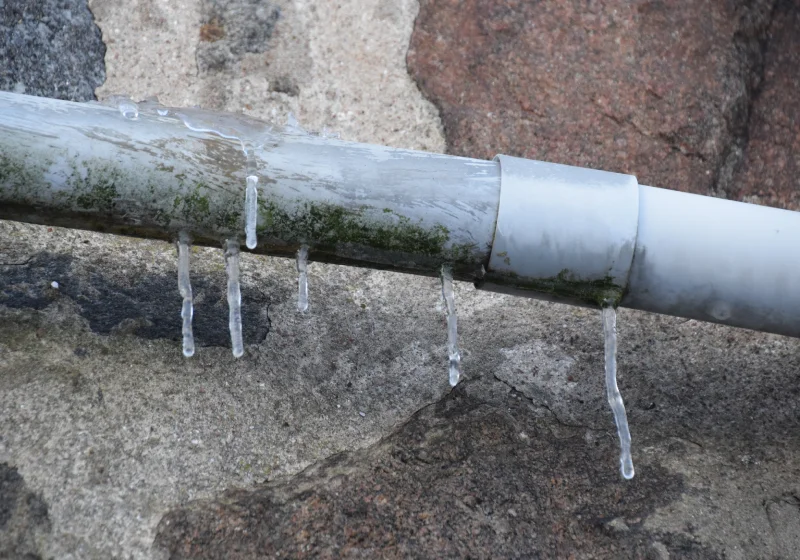
Knowing What to Do When Pipes Freeze Can Help Prevent Costly Damage
A cold winter morning can quickly become stressful when you turn on the faucet, and little or no water comes out.
Frozen pipes don’t just interrupt your water supply; they can create pressure inside the pipe that increases the risk of a burst pipe, leading to expensive repairs and water damage.
When temperatures drop below freezing, plumbing becomes one of the most vulnerable parts of your home. Understanding what to do when pipes freeze helps protect your water lines before pressure builds inside them.
The good news is that not every frozen pipe bursts. With the right approach, you may be able to safely restore water flow while protecting your plumbing system from further damage.
How Do Pipes Freeze?
Water expands as it turns to ice. Inside a plumbing pipe, this water expansion creates pressure between the blockage and the closed faucet. Even if the ice forms in just one section of the pipe, the pressure can build throughout the line.
Pipes are most likely to freeze when they’re located in:
- Exterior walls
- Unheated basements
- Crawl spaces
- Garages
- Attics
- Outdoor plumbing lines
Cold temperatures combined with inadequate pipe insulation increase the likelihood of frozen plumbing during winter.
Signs Your Pipes Have Frozen
Frozen pipes aren’t always obvious. Sometimes the warning signs appear before a complete blockage develops.
Common signs of frozen pipes include:
- Little or no water coming from a faucet
- Frost forming on exposed pipes
- Unusual banging or whistling sounds
- Slow water flow during freezing temperatures
- Visible bulges in exposed piping
If you notice any of these symptoms, it’s important to act before the pressure inside the pipe continues to increase.
| Sign | What It Could Mean | Recommended Action |
| No water flow | Ice blockage inside pipe | Begin thawing safely |
| Frost on pipe | Pipe temperature below freezing | Warm the affected area |
| Reduced water pressure | Partial blockage | Monitor and thaw if needed |
| Bulging pipe | Pressure building inside | Shut off water and call a plumber |
| Water leak after thawing | Pipe has cracked | Arrange frozen pipe repair immediately |
What to Do When Your Pipes Freeze
If you suspect frozen pipes, avoid panicking or applying extreme heat. A careful approach is much safer for both your plumbing and your home.
Follow these steps:
- Turn on the affected faucet. A small flow of water can help relieve pressure as the ice begins melting.
- Locate the frozen section if it’s visible.
- Begin warming the pipe gradually.
- Continue applying gentle heat until water flows normally.
- Inspect the pipe for leaks after it has thawed.
If you’re unable to locate the frozen section or the pipe remains blocked, it’s time to contact a licensed plumber.
How to Thaw Frozen Pipes Safely
Knowing how to thaw frozen pipes correctly can reduce the chance of damage.
Safe methods include:
- Wrapping the pipe with warm towels
- Using a hair dryer on a low or medium setting
- Applying a heating pad designed for household use
- Gradually warming the surrounding room
Always start heating near the faucet and work toward the frozen section so melting water has somewhere to escape.
Never use:
- Open flames
- Propane torches
- Charcoal heaters
- High-temperature heat guns
These methods can damage pipes and create serious fire hazards.
When Frozen Pipes Need Professional Repair
Sometimes thawing alone isn’t enough. Professional frozen pipe repair may be necessary if:
- A pipe has already burst.
- Water continues leaking after thawing.
- The frozen section cannot be reached safely.
- Multiple pipes have frozen.
- Water service doesn’t return after thawing.
How to Prevent Frozen Pipes
The best solution is to prevent pipes from freezing in the first place.
Simple steps to how to prevent frozen pipes include:
- Install quality pipe insulation on exposed plumbing.
- Seal gaps where cold air enters around pipes.
- Keep garage doors closed during freezing weather.
- Allow warm air to circulate around plumbing beneath sinks.
- Disconnect and drain outdoor hoses before winter.
- Maintain consistent indoor temperatures, even when you’re away.
In areas prone to repeated freezing, installing heat tape on vulnerable water lines can provide additional protection when used according to the manufacturer’s instructions.
When to Call a Professional Plumber
Some frozen pipes can be thawed safely at home, but delaying professional help after a pipe has burst can significantly increase water damage.
Contact a licensed plumber if:
- You discover an active leak.
- The pipe has split or cracked.
- Frozen pipes are hidden inside walls or ceilings.
- Water pressure doesn’t return after thawing.
- You’re unsure where the blockage is located.
Frequently Asked Questions
Can frozen pipes thaw on their own?
Yes, but waiting isn’t recommended. As temperatures rise, the ice may eventually melt, but the water expansion inside the pipe can continue building pressure in the meantime. Safely thawing the pipe as soon as you notice the problem helps reduce the risk of a burst pipe.
How cold does it have to be for pipes to freeze?
Pipes can begin freezing when temperatures remain at or below 20°F (-6°C) for several hours, especially if they’re exposed to cold air or lack proper pipe insulation. Wind, poor insulation, and pipe location also affect how quickly freezing occurs.
Can frozen pipes burst even if there’s no visible ice?
Yes. A pipe may crack before you ever see frost or ice on the outside. The pressure created by water expansion inside the pipe is often what causes the damage, not the ice itself.
Should I turn off my home’s main water supply if a pipe freezes?
If you suspect a pipe has already cracked or you’re unable to determine its condition, shutting off the main water supply is a smart precaution. Doing so can help minimize water damage if the pipe bursts during thawing.
Are certain plumbing materials more likely to freeze?
Any plumbing material can freeze under prolonged cold conditions. Pipes located in unheated areas or without adequate pipe insulation are generally more vulnerable than those running through conditioned spaces.
Is heat tape safe for frozen pipes?
When installed and used according to the manufacturer’s instructions, heat tape can help protect exposed water lines from freezing. It’s intended as a preventative measure rather than a solution for severely frozen or damaged pipes.
Can I use boiling water to thaw frozen pipes?
No. Pouring boiling water directly onto a frozen pipe can cause sudden temperature changes that may damage the pipe or surrounding materials. Gentle, even heat is a much safer way to thaw frozen pipes.
Will frozen pipes affect my home’s water pressure?
Yes. One of the earliest signs of frozen pipes is reduced or inconsistent water pressure. As ice restricts water flow, faucets may produce only a trickle or stop running altogether.
How can I protect my pipes if I’m away during winter?
Before leaving, keep your home’s thermostat set to a consistent temperature, ask someone to check on the property during extended cold weather, and ensure vulnerable pipes have adequate pipe insulation. These simple steps can significantly reduce the chance of freezing.
Who should I call for frozen pipe repair in Utah?
If thawing doesn’t restore water flow, you discover a leak, or you suspect a pipe has burst, contact Hale Home Services. Our licensed plumbers provide professional frozen pipe repair throughout Utah, helping homeowners restore their plumbing safely and minimize damage from winter freezes.
