

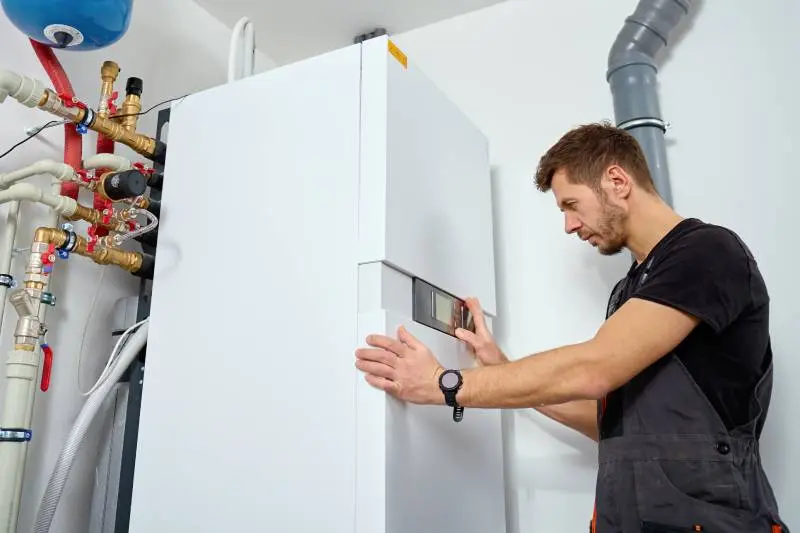
Why Water Pressure Changes When Water Heats Up
Heating water causes it to expand. In some plumbing systems, that extra volume has nowhere to go, allowing pressure to build inside the pipes and water heater. A water heater expansion tank is designed to absorb that increase in pressure, helping protect your plumbing system and water heater components from unnecessary strain.
What Is a Water Heater Expansion Tank?
A water heater expansion tank is a small tank installed on the cold-water supply line above the water heater. Inside the tank is an air bladder that separates air from water.
As heated water expands, the additional volume enters the tank, temporarily compressing the air bladder. This allows the plumbing system to accommodate normal changes in water volume without placing unnecessary stress on connected components.
When Is an Expansion Tank Needed?
Many homes require a water heater expansion tank, but not every plumbing system does. Homes that operate as a closed system don’t allow expanding water to flow back toward the municipal supply. In these situations, an expansion tank may be recommended — or required — to accommodate the increased water volume created during normal water heater operation.
Local plumbing requirements and the type of plumbing system will determine whether an expansion tank should be installed with a new or replacement water heater.
What Are the Benefits of a Water Heater Expansion Tank?
By helping stabilize pressure during normal water heater operation, an expansion tank supports the long-term performance of the plumbing system. Rather than allowing repeated pressure fluctuations to affect connected components, it provides a controlled space for expanding water until pressure returns to normal.
A properly functioning expansion tank water heater setup may help:
- Reduce pressure created by thermal expansion before it affects the rest of the plumbing system.
- Minimize unnecessary operation of the pressure relief valve, which is designed to open only when pressure reaches unsafe levels.
- Help protect plumbing fixtures, pipe connections, and appliance supply lines from repeated pressure fluctuations.
- Reduce unnecessary strain on the water heater during normal heating cycles by allowing pressure to stabilize more gradually.
While an expansion tank doesn’t repair existing plumbing problems, it plays an important role in helping the plumbing system operate under more consistent pressure during everyday use.
Do I Need a Water Heater Expansion Tank?
If your plumbing system requires an expansion tank, selecting the correct one involves more than choosing a model that matches the water heater. During water heater expansion tank installation, plumbers determine the appropriate tank size based on the water heater’s capacity and the operating characteristics of the home’s plumbing system.
A water heater expansion tank installation may be appropriate if:
- You’re installing or replacing a water heater.
- Your plumbing system requires an expansion tank.
- A plumbing inspection identifies the need for additional pressure control.
- Local plumbing requirements specify an expansion tank for the installation.
A licensed plumber can determine whether an expansion tank water heater setup is appropriate for your home and recommend the correct tank for your plumbing system.
When to Talk to a Plumbing Professional
Because every home’s plumbing system is different, determining whether an expansion tank is appropriate requires evaluating the existing plumbing configuration and water heater installation.
Professional service is recommended if:
- You’re installing or replacing a water heater
- You’re unsure whether your home has a closed system
- You have questions about expansion tank water heater requirements
- Your pressure relief valve discharges water repeatedly
- You’d like guidance on water heater expansion tank installation
Hale Home Services provides professional water heater services throughout Utah, helping homeowners evaluate their plumbing systems, recommend appropriate expansion tanks when needed, and complete reliable water heater installations.
How an Expansion Tank Works With the Pressure Relief Valve
Although they’re often mentioned together, an expansion tank and a pressure relief valve perform different functions.
The expansion tank is designed to manage normal operating conditions by accommodating changes in water volume during heating. The pressure relief valve is an emergency safety device that opens only if pressure or temperature exceeds safe operating limits.
If the pressure relief valve begins discharging water repeatedly, it may indicate that the plumbing system should be inspected to determine whether pressure is being controlled properly.
Frequently Asked Questions
Can an expansion tank be added to an existing water heater?
Yes. If your plumbing system requires one, an expansion tank can often be installed on an existing water heater. A plumber can determine the appropriate size and whether the current plumbing configuration is suitable for installation.
How long does a water heater expansion tank typically last?
The service life varies depending on water quality, operating pressure, and normal wear. During routine plumbing or water heater maintenance, a plumber can inspect the expansion tank to verify it is functioning properly.
Can an expansion tank become waterlogged?
Yes. If the internal air bladder fails, the tank may fill with water and lose its ability to absorb normal changes in water volume effectively.
How can I tell if my expansion tank isn’t working properly?
Signs may include repeated discharge from the pressure relief valve, noticeable pressure fluctuations, or an expansion tank that no longer performs as intended. A professional inspection can determine whether the tank is functioning correctly.
Can I install an expansion tank myself?
Proper water heater expansion tank installation involves selecting the correct tank size, setting the appropriate air pressure, and ensuring compatibility with the existing plumbing system. Professional installation helps verify the tank is installed correctly and operating as intended.
Will replacing the pressure relief valve solve pressure problems?
Not necessarily. If excessive pressure is caused by thermal expansion, replacing the pressure relief valve alone may not address the underlying issue. A plumbing inspection can determine why the valve is opening.
Does an expansion tank increase hot water capacity?
No. A water heater expansion tank is designed to manage pressure created during water heating. It doesn’t store additional hot water or increase the amount of hot water available for household use.
How much does an expansion tank cost?
The total expansion tank cost depends on factors such as the size of the tank, the plumbing system, and the installation requirements. A licensed plumber can recommend the appropriate tank and provide an estimate based on your home’s needs.
Should an expansion tank be inspected during water heater maintenance?
Yes. During routine maintenance, a plumber can inspect the expansion tank, verify its air pressure, and check that it is operating properly as part of the overall water heater system.
