

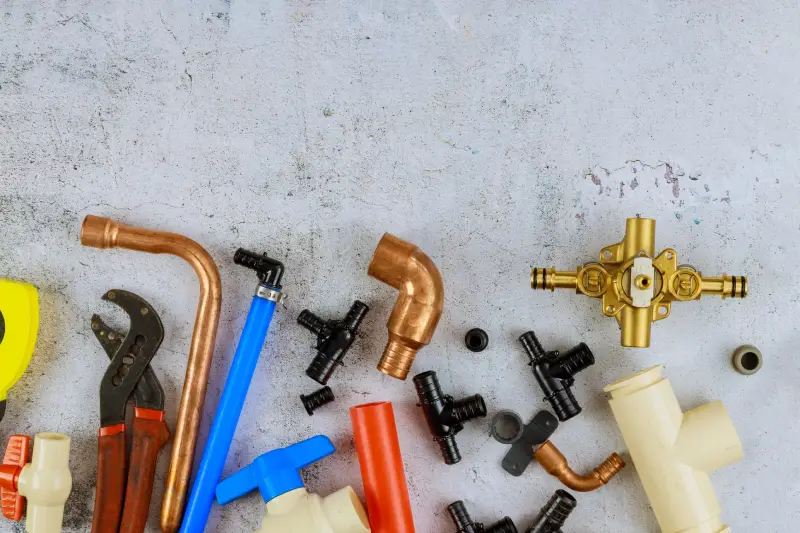
Understanding the Pipes Behind Your Plumbing System
Most homeowners never see the pipes hidden behind their walls or beneath their floors until a repair or renovation makes them visible. Learning about the types of pipes used in plumbing can help you better understand your home’s plumbing system, why certain materials are used, and what plumbers consider when repairing or replacing damaged pipes.
Each material has different characteristics, so the best choice often depends on the location of the pipe, the plumbing application, and the condition of the existing system.
Common Residential Plumbing Pipe Types
Several common plumbing pipe materials are used in modern homes, each designed for specific plumbing applications.
What Is PEX Tubing?
PEX tubing is a flexible plumbing pipe commonly used for residential water supply lines. It’s designed to carry hot and cold water throughout the home and is often selected because it can bend around obstacles, reducing the number of fittings needed during installation.
What Is a Copper Pipe?
Copper pipes have been used in residential plumbing for decades and is commonly installed for hot and cold water supply lines. Known for its durability and long service life, it remains a popular choice in many homes and plumbing systems.
What Is a PVC Pipe?
A PVC pipe (Polyvinyl Chloride) is typically used for drain, waste, and vent plumbing rather than pressurized drinking water inside the home. Its corrosion resistance and lightweight design make it a common material for residential drainage systems.
What Is a Cast Iron Pipe?
Many older homes still contain cast iron drain and sewer piping. Its strength and ability to reduce the sound of flowing wastewater made it a widely used plumbing material before newer alternatives became common.
The most suitable material depends on the plumbing system, local building requirements, and the purpose of the pipe.
How Plumbers Choose the Right Pipe Material
The type of pipe used in a plumbing system can affect durability, future maintenance, repair methods, and compatibility with existing plumbing. That’s why selecting the right material involves more than simply replacing one pipe with another.
When recommending a pipe, plumbers consider several factors, including whether it will carry pressurized water or wastewater, the location of the installation, the condition of the existing plumbing system, and how the new pipe will connect to nearby components. They also ensure the chosen material complies with current installation standards and is appropriate for the specific application.
Choosing the right pipe material helps support reliable plumbing performance, simplifies future repairs, and ensures the new piping works safely and effectively with the rest of the home’s plumbing system.
Does Every Home Have the Same Plumbing Pipes?
No.
The residential plumbing pipes found in one home may differ from another based on when the property was built, previous plumbing upgrades, and local plumbing practices. Many homes contain more than one pipe material, especially if portions of the plumbing system have been updated over time.
During repairs or renovations, plumbers evaluate the existing system to determine which materials are most appropriate for the work being completed.
Choosing the Right Pipe for Your Home
Identifying the types of pipes used in plumbing isn’t always straightforward, especially in older homes or properties that have undergone previous renovations. If you’re planning plumbing repairs or replacing existing piping, selecting compatible materials is just as important as installing them correctly.
Professional service is recommended if:
- You’re replacing sections of residential plumbing pipes.
- You aren’t sure which plumbing pipe types are installed in your home.
- You’re planning a plumbing renovation or remodel.
- Existing pipes show signs of deterioration or damage.
- You’d like guidance on the best pipes for plumbing based on your home’s existing system.
Hale Home Services provides professional plumbing services throughout Utah, helping homeowners identify existing pipe materials, recommend the most appropriate solutions for repairs or upgrades, and complete reliable plumbing installations that work safely with the rest of the home’s plumbing system.
Can Plumbing Pipes Be Upgraded Without Replacing the Entire System?
Many homeowners assume that discovering older plumbing means the entire system must be replaced. In reality, plumbing upgrades are often completed in stages. If only one section of piping is damaged or deteriorated, plumbers may be able to replace that portion while keeping the rest of the plumbing system in service.
The most appropriate approach depends on the condition of the existing pipes, the materials already installed, and whether the new piping can be safely integrated into the current system.
Frequently Asked Questions
How can I tell what type of plumbing pipes are behind my walls?
Many plumbing pipes aren’t visible without opening walls or ceilings. Plumbers can often identify the materials by inspecting exposed sections, connection points, pipe markings, and the age of the home before recommending repairs or upgrades.
Can different plumbing pipe materials be connected together?
Yes. During plumbing repairs or remodeling, different pipe materials can often be connected using approved fittings and proper installation methods. The connection approach depends on the materials involved and the plumbing application.
Can damaged plumbing pipes always be repaired?
Not always. Whether a pipe can be repaired depends on its condition, the location of the damage, and how much of the plumbing system is affected. A professional inspection helps determine the most appropriate solution.
Do plumbing pipe materials affect water quality?
Different pipe materials are designed for specific plumbing applications. If you have concerns about your home’s plumbing or water quality, a licensed plumber can evaluate whether the piping system should be inspected.
How do plumbers decide which pipe material to use for repairs?
The decision depends on several factors, including the purpose of the pipe, compatibility with the existing plumbing system, current plumbing standards, and the location of the repair.
Do all plumbing pipes have the same expected lifespan?
No. Different common plumbing pipe materials have different expected service lives, which can also be influenced by installation quality, water conditions, and maintenance over time.
Can replacing older plumbing improve reliability?
If sections of the plumbing system have deteriorated or are no longer performing as expected, replacing those pipes may improve reliability and reduce the likelihood of future plumbing problems.
Will every plumbing renovation require replacing existing pipes?
Not necessarily. Some projects involve only minor modifications, while others may require replacing portions of the plumbing system. The scope depends on the condition of the existing pipes and the work being performed.
Should plumbing pipe installations meet local building requirements?
Yes. Professional plumbing installations should follow applicable local plumbing and building requirements to help ensure the system operates safely and performs as intended.
Who installs and replaces residential plumbing pipes in Utah?
If you’d like to learn more about the types of pipes used in plumbing or need professional pipe repair or replacement, Hale Home Services provides plumbing services throughout Utah, helping homeowners maintain safe and reliable plumbing systems.
