

Why Does Your Home Suddenly Smell Like Sewer Gas?
A persistent sewer gas smell in the house causes concern for many homeowners because it often appears unexpectedly and can affect one room or several areas of the home. Whether you notice a sewer smell in the house or a distinct rotten egg smell around your plumbing fixtures, the source is usually connected to the plumbing drainage or venting system rather than the water supply itself.
Many plumbing systems are designed to keep sewer gases safely contained inside the drain pipes. When part of that system stops working as intended, those gases can escape into living spaces. Identifying where the odor originates is the first step toward determining whether the problem is a simple plumbing issue or one that requires professional attention.
What Is Sewer Gas?
Sewer gas is a mixture of naturally occurring gases produced as wastewater and organic material break down inside the sewer system. One of the most recognizable components is hydrogen sulfide, which produces the familiar sulfur or rotten egg odor many homeowners notice first.
Under normal conditions, you should never smell sewer gas inside your home. Your plumbing system is designed with drain traps, vent pipes, and sealed drain lines that prevent sewer gases from entering occupied areas.
If those protective components fail or become compromised, odors can begin escaping through drains, plumbing fixtures, or damaged sections of the drainage system.
Common Causes of Sewer Gas Odors Inside a Home
Several plumbing conditions can allow sewer gas odor causes to develop indoors.
Dry P-Trap
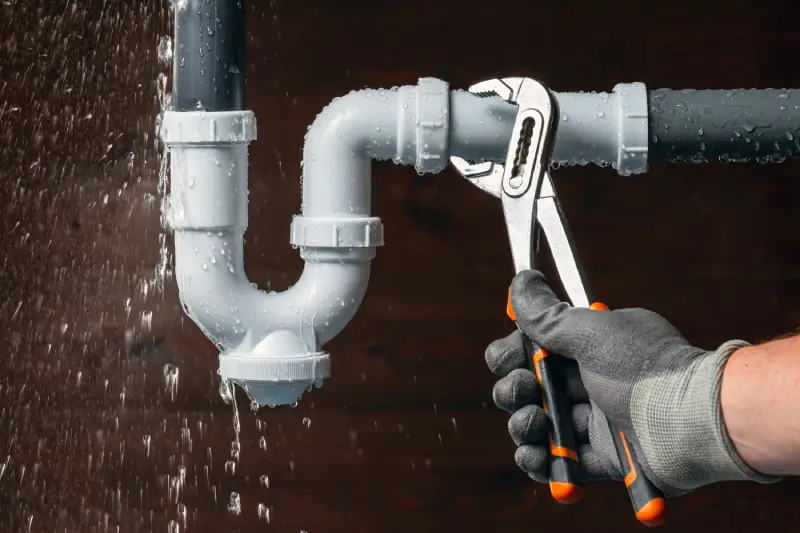
Every sink, shower, floor drain, and many other plumbing fixtures contain a dry P-trap when water has evaporated from the curved section of pipe beneath the drain. Normally, the water sitting inside the trap forms a seal that blocks sewer gases. If the fixture hasn’t been used for an extended period, that water seal can disappear, allowing odors to enter the room.
Vent Blockage
The plumbing vent system allows sewer gases to safely exit above the roof while balancing air pressure inside the drain pipes. A vent blockage can interfere with normal airflow, sometimes causing sewer odors to be forced back toward plumbing fixtures instead of venting outdoors.
Cracked Pipe
A cracked pipe in the home’s drainage system may allow sewer gases to escape before wastewater reaches the sewer line. Depending on where the damage occurs, odors may become noticeable inside walls, beneath flooring, or near plumbing fixtures.
Drain Seal Problems
In some situations, drain components may no longer create a complete seal around the fixture, allowing small amounts of sewer gas to escape into the room even though wastewater continues draining normally.
Can Sewer Odors Go Away on Their Own?
This is a very common homeowner search and doesn’t overlap with the rest of the article.
Many homeowners notice a sewer smell in their house one day only to find it disappears the next. While this may seem like the problem has resolved itself, temporary odors don’t always mean the underlying issue is gone.
For example, a dry P-trap may temporarily stop producing odors once water is run through the fixture. However, problems such as a vent blockage, damaged drain piping, or other plumbing defects can cause sewer odors to return repeatedly.
If the smell comes back after a short time or becomes more frequent, it’s a sign the plumbing system should be inspected rather than relying on the odor to disappear again.
Why the Smell May Be Worse After Using Water
Many homeowners notice that a sewer smell becomes stronger only after using certain plumbing fixtures. This doesn’t necessarily mean the fixture itself is causing the odor. Instead, moving wastewater through the drainage system can make an existing plumbing issue more noticeable.
You may notice sewer odors:
- After flushing a toilet. Flushing sends a large volume of wastewater through the drain line, which can make sewer gases more noticeable if there’s a vent blockage, damaged drain component, or another issue affecting the drainage system.
- After running the washing machine. During the drain cycle, the washer discharges water quickly. If the laundry drain or plumbing system isn’t functioning properly, existing sewer odors may become more apparent.
- After taking a shower. Water flowing through shower drains can temporarily disturb trapped air inside the drainage system. If a dry P-trap or another plumbing issue is present, sewer gases may become easier to detect.
- After using sinks or other plumbing fixtures. Everyday water use changes pressure and airflow within the drainage system. If sewer gases are escaping somewhere in the plumbing, those changes can make the odor stronger at certain times.
If the smell consistently appears after using water rather than remaining constant throughout the day, it’s often a sign that the drainage or venting system should be inspected to identify the underlying source of the odor.
When Should You Call a Plumber for Sewer Odors?
Most sewer odors don’t resolve permanently without identifying the underlying plumbing issue. If the smell is persistent, recurring, or accompanied by other drainage problems, it’s time to have the system evaluated.
Professional service is recommended if:
- The sewer smell in your house keeps coming back after temporarily disappearing
- You notice a rotten egg smell near plumbing fixtures that doesn’t go away
- Multiple drains or rooms are affected by the same odor
- Sewer odors occur along with slow drains, gurgling sounds, or recurring backups
- You suspect a vent blockage, cracked pipe, or another drainage problem
- You’re unable to identify the source of the odor on your own
Hale Home Services provides professional plumbing services throughout Utah, helping homeowners identify the source of sewer odors and recommend the appropriate repair to restore proper plumbing performance.
How Plumbers Find the Source of Sewer Odors
Finding the source of a sewer smell in a house isn’t always as simple as following the odor. Sewer gases can travel through drain lines, wall cavities, and plumbing vents, meaning the place where the smell is strongest isn’t always where the problem began.
A thorough plumbing inspection typically focuses on identifying where sewer gases may be escaping into the home. Depending on the symptoms, a plumber may:
- Examine drains and fixtures for a dry P-trap or other conditions that allow sewer gases to bypass the water seal
- Look for visible signs of a cracked pipe or damaged drain connections
- Evaluate whether a vent blockage could be affecting airflow through the drainage system
- Check for plumbing conditions that may allow hydrogen sulfide and other sewer gases to enter indoor living spaces
- Determine whether the odor is isolated to a single fixture or related to a larger drainage issue
Once the source has been identified, the appropriate plumbing repair can be recommended to eliminate the odor and restore the drainage system’s proper function.
Frequently Asked Questions
Can I safely stay in my house if I smell sewer gas?
A brief sewer odor from an unused drain may have a simple cause, but a strong or persistent sewer smell in the house shouldn’t be ignored. If the odor continues or becomes widespread, it’s best to have the plumbing system inspected to determine the source.
Why does my house smell like sewer gas only at night?
Changes in household water usage, indoor airflow, and outdoor weather conditions can make existing sewer odors more noticeable during certain times of the day. If the smell repeatedly occurs at night, the plumbing system should be evaluated.
Why does my basement smell like sewer gas but the upstairs doesn’t?
Basements often contain floor drains, utility sinks, and other plumbing fixtures that are used less frequently. If the odor is isolated to one area of the home, the issue may be related to plumbing serving that section rather than the entire drainage system.
Can heavy rain cause a sewer smell inside my house?
In some situations, heavy rainfall can affect drainage and venting conditions, making existing plumbing issues more noticeable. If sewer odors appear after storms or continue once the weather improves, the plumbing system should be inspected.
Can a sewer gas smell affect all the rooms in my home?
Yes. Depending on the source of the problem, sewer gases may travel through portions of the plumbing or ventilation system, causing odors to be noticed in more than one room rather than at a single fixture.
Why do I smell sewer gas even though my drains aren’t clogged?
A sewage smell indoors doesn’t always mean there’s a blockage. Odors can develop even when drains appear to be working normally, which is why recurring smells should be professionally diagnosed instead of assuming a clog is present.
Should I use chemical drain cleaners to get rid of sewer odors?
Chemical drain cleaners are designed to address certain drain obstructions, but they don’t resolve every cause of a sewer smell in the house. If the odor keeps returning, identifying the underlying plumbing issue is a more effective long-term solution.
Can sewer odors affect my home’s indoor air quality?
Yes. Sewer gases are not intended to enter living spaces. If you notice persistent sewer odors indoors, the plumbing system should be inspected so the source can be identified and corrected.
How can I prevent sewer odors from coming back?
Using plumbing fixtures regularly, addressing drainage problems promptly, and scheduling plumbing repairs when recurring odors develop can help reduce the likelihood of future sewer gas problems.
Who can identify the cause of a sewer smell in Utah?
If you’re experiencing a sewer smell in your house or a sewage smell indoors, Hale Home Services provides professional plumbing services throughout Utah to locate the source of the odor and recommend the appropriate repair.
