
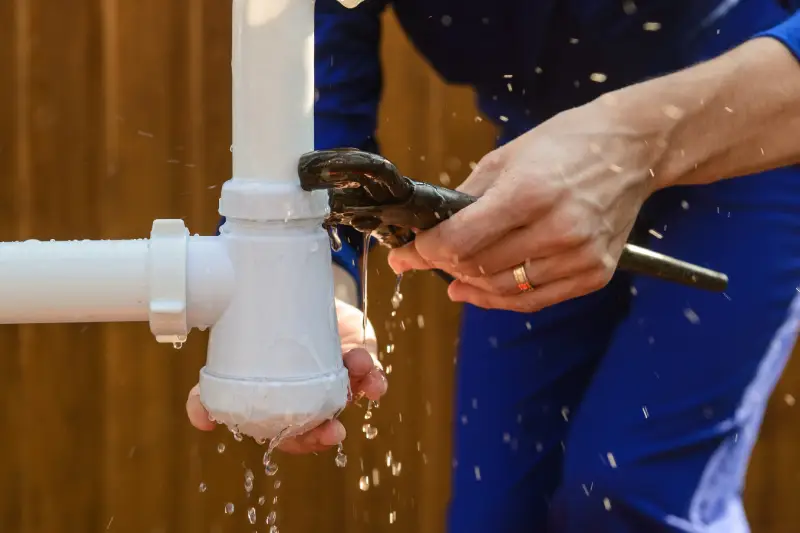
The First Few Minutes Matter Most
A burst water pipe can release a surprising amount of water in just a few minutes, turning a small plumbing failure into extensive property damage. Knowing what to do immediately after a pipe burst can help limit flooding, protect your home, and make the situation safer while you wait for professional repairs.
The priority isn’t fixing the broken pipe yourself; it’s stopping the water, protecting the affected area, and preventing additional damage until a licensed plumber arrives.
What to Do When a Pipe Bursts
A burst pipe emergency requires immediate action. Following these steps in order can help limit flooding, protect your belongings, and make the affected area safer until professional repairs are completed.
Step 1: Turn Off the Water Supply
Locate the nearest water shutoff valve serving the damaged pipe and close it immediately. If the affected section does not have an individual shutoff valve — or you cannot find it quickly — turn off the home’s main water supply.
Stopping the water prevents additional water from entering the damaged pipe and is the most important step in limiting flooding. If the valve is difficult to operate, avoid forcing it, as an older or corroded valve may break.
Step 2: Open Nearby Faucets
After shutting off the water, open the faucets closest to the damaged area. This allows the water remaining inside the plumbing line to drain and helps relieve pressure within the system.
You may also notice water continuing to flow briefly after the shutoff valve is closed. This is usually the water already stored inside the pipes rather than new water entering the system.
Step 3: Protect the Surrounding Area
Move furniture, electronics, rugs, boxes, and other belongings away from the leak if it is safe to do so. Place buckets or containers beneath active drips to collect water that continues draining from the damaged pipe section.
If water has reached electrical outlets, appliances, or the electrical panel, avoid entering the affected area until it has been made safe.
Step 4: Remove Standing Water
Begin removing standing water with towels, mops, buckets, or a wet vacuum when conditions are safe. Pay particular attention to areas around flooring, cabinets, drywall, and baseboards, where moisture can spread beyond the visible puddle.
Prompt water removal can reduce the extent of the flood cleanup and help limit further damage to surrounding materials. Water that has entered walls, ceilings, or flooring may require professional drying and inspection.
Step 5: Contact an Emergency Plumber
Once the water is under control, contact a licensed emergency plumber. Even if the leak appears to have stopped, the damaged pipe still requires proper repair before the water supply can be safely restored.
A plumber can locate the failed section, determine why the pipe burst, complete the necessary repair, and inspect nearby plumbing for corrosion, freezing damage, excessive pressure, or other conditions that may have contributed to the failure.
Step 6: Do Not Turn the Water Back On Too Soon
Leave the water supply off until the damaged pipe has been repaired and the system has been checked. Restoring water too early can cause the pipe to begin leaking again or place pressure on another weakened section.
Once repairs are complete, the water should be turned back on gradually while the repaired area is monitored for additional leakage.
Why Shutting Off the Water Comes First
The most important step during a burst pipe emergency is locating and closing the nearest water shutoff valve. If the damaged pipe doesn’t have its own isolation valve, turn off the home’s main water supply instead.
After the water has been shut off, opening a nearby faucet helps relieve pressure inside the plumbing system and allows any remaining water to drain from the affected pipe section.
What Not to Do
When a pipe bursts, it’s natural to want an immediate fix, but some actions can make the situation worse.
Avoid:
- Leaving the water supply on
- Using the damaged plumbing fixture
- Attempting permanent repairs while water is still flowing
- Ignoring water that has spread beneath flooring or behind walls
- Delaying professional repairs after the leak has been contained
These steps help protect both your plumbing system and your home from additional damage.
When to Call a Professional
Even if you’ve stopped the water flow, a burst pipe still requires professional repair.
Contact a plumber if:
- A burst water pipe has caused active flooding.
- You cannot locate the water shutoff valve.
- Water has spread into walls, ceilings, or flooring.
- The damaged pipe section cannot be safely isolated.
- You’re unsure what caused the pipe to burst.
Hale Home Services provides emergency plumbing services throughout Utah, helping homeowners respond quickly to burst pipes, repair damaged plumbing, and restore safe, reliable water service.
Why Professional Repairs Matter
A burst pipe is often the result of an underlying plumbing problem rather than an isolated event. Freezing temperatures, pipe deterioration, excessive water pressure, or damaged fittings can all contribute to pipe failure.
Repairing only the visible break without identifying the underlying cause may increase the likelihood of future plumbing problems. A professional inspection helps confirm that the damaged pipe section has been repaired correctly and that no additional issues are affecting the plumbing system.
Frequently Asked Questions
Can I use a temporary pipe repair until a plumber arrives?
Temporary products such as pipe clamps or repair wraps may help slow a leak in some situations, but they aren’t a permanent solution for a burst water pipe. The first priority is always shutting off the water before attempting any temporary measure.
Should I turn off the electricity if a pipe bursts?
If water is approaching electrical outlets, appliances, or your electrical panel, avoid entering the affected area and follow appropriate electrical safety procedures. If it’s safe to do so, shut off power to the affected area or contact your utility provider for guidance.
Can a burst pipe happen even if the weather isn’t freezing?
Yes. Although freezing temperatures are a common cause, pipes may also burst because of corrosion, excessive water pressure, aging plumbing materials, or accidental damage.
How long can water remain before it causes damage?
Water should be removed as soon as possible. The longer moisture remains in contact with drywall, flooring, insulation, or cabinetry, the greater the chance of damage and more extensive restoration work.
Will homeowners insurance cover a burst pipe?
Insurance coverage varies by policy. Many policies cover sudden and accidental pipe failures, while damage related to neglected maintenance or long-term leaks may be treated differently. Check with your insurance provider for details.
Should I keep using my plumbing after a pipe bursts?
It’s generally best to avoid using the affected plumbing until the damaged pipe has been repaired. Running water may place additional pressure on the system or allow more water to escape from the damaged section.
Will repairing one burst pipe prevent future pipe failures?
Not always. If the pipe burst because of freezing, corrosion, excessive pressure, or aging plumbing materials, other sections of the system may also benefit from inspection to identify potential weaknesses.
What should I do if water has soaked my walls or flooring?
After shutting off the water, remove standing water if it’s safe to do so and arrange for the affected areas to be inspected. Moisture trapped inside building materials may require professional drying to help prevent further damage.
Should I have my plumbing inspected after a burst pipe is repaired?
A follow-up inspection can help confirm that the repair was successful and identify any additional issues that may have contributed to the pipe failure, especially in older plumbing systems.
Who should I call for a burst pipe emergency in Utah?
If you’re dealing with a burst pipe emergency or wondering what to do when a pipe bursts, Hale Home Services provides emergency plumbing services throughout Utah to repair damaged pipes and help protect your home from further water damage.