

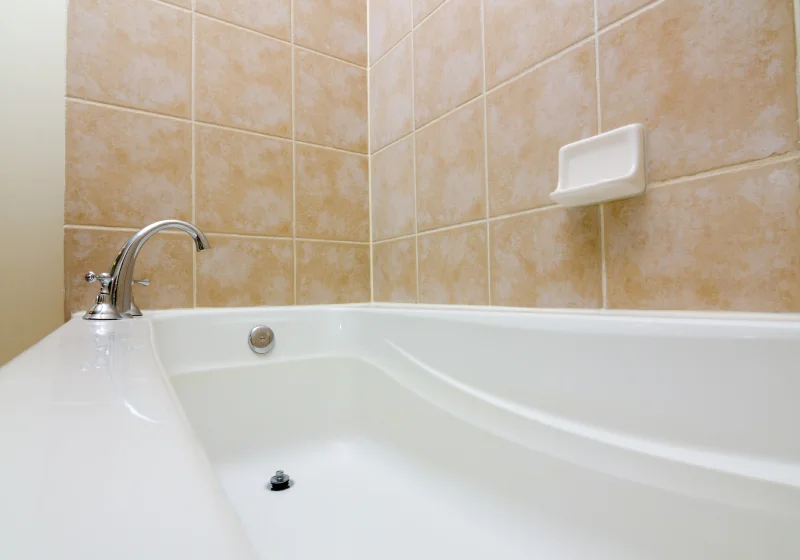
Few plumbing problems are as frustrating as standing ankle-deep in water after a shower. Learning how to unclog a bathtub drain can help restore proper drainage before a minor blockage turns into a complete clog. In many cases, you can clear the obstruction using simple tools and household items without relying on harsh chemical drain cleaners that may damage your plumbing over time.
Many bathtub drain problems develop gradually, giving you an opportunity to address them before water stops draining altogether.
What Causes a Bathtub Drain to Clog?
A bathtub drain clog usually forms over time rather than all at once. As water flows through the drain, debris collects inside the pipe until it begins restricting water movement.
The most common causes include:
- Hair clog buildup
- Soap residue
- Shampoo and conditioner residue
- Dirt and debris washed off during bathing
- Mineral deposits in older plumbing
Understanding what’s causing the blockage helps determine the safest way to remove it.
| Common Cause | What Happens | Recommended Solution |
| Hair clog | Hair traps other debris | Remove with a drain snake |
| Soap buildup | Narrows the drain opening | Flush with hot water and clean manually |
| Mineral deposits | Restricts water flow | Professional cleaning if severe |
| Foreign objects | Blocks the pipe | Remove if accessible or call a plumber |
Signs Your Bathtub Drain Needs Attention
Most clogged drains don’t happen overnight. They often begin with small changes that become more noticeable over time.
Common signs include:
- Bathtub draining slowly
- Water pooling around your feet
- Gurgling sounds after draining
- Unpleasant odors coming from the drain
- Water taking longer than usual to empty
Addressing these early warning signs can often prevent a complete blockage.
How to Unclog a Bathtub Drain Without Chemicals
Before reaching for a chemical drain cleaner, try a few safer methods that are effective for many common clogs.
Remove Visible Debris
If hair or soap residue is visible near the drain opening, remove as much as possible by hand while wearing gloves. Even clearing the top portion of the blockage can noticeably improve drainage.
Use a Drain Snake
A drain snake is one of the most effective tools for removing a hair clog deeper inside the drain.
Insert the snake slowly into the drain until you feel resistance. Rotate the tool gently to catch the clog, then pull it out carefully. Repeat as needed until water flows freely.
Avoid forcing the snake, which may damage some drain components.
Try Baking Soda and Vinegar
For minor buildup, baking soda and vinegar can help loosen soap residue and light organic debris.
Pour baking soda into the drain, followed by vinegar. Allow the mixture to sit for several minutes before flushing with hot—not boiling—water.
While this method won’t remove heavy clogs, it may help improve drainage when buildup is relatively light.
Don’t Forget the P-Trap
If the drain remains clogged, the blockage may be located inside the P-trap, the curved section of pipe beneath the tub that holds water to prevent sewer gases from entering the home.
Accessing a bathtub P-trap is often more difficult than reaching one beneath a sink, and many tubs provide limited access. If the clog appears to be beyond the drain opening, professional assistance may be the safest option to avoid damaging surrounding plumbing.
How to Clear a Slow Tub Drain
In this case, consistency is important. Repeatedly using chemical cleaners may temporarily improve drainage but won’t always remove the material causing the blockage.
Instead:
- Remove visible debris regularly.
- Use a drain snake when needed.
- Flush the drain with hot water after cleaning.
- Install a hair catcher to reduce future buildup.
These simple habits help keep water flowing while reducing the chance of recurring clogs.
When to Call a Professional Plumber
Sometimes a clog extends farther into the plumbing system than household tools can safely reach.
Professional service is recommended if:
- The DIY unclog tub drain methods don’t improve drainage.
- Water backs up repeatedly.
- Multiple drains in the home are slow.
- Foul odors continue after cleaning.
- The clog keeps returning despite repeated maintenance.
A licensed plumber can locate the blockage, remove it safely, and inspect the drain for any underlying issues contributing to recurring clogs.
The experienced team at Hale Home Services provides professional drain cleaning throughout Utah, helping homeowners restore proper drainage without unnecessary damage to their plumbing system.
Frequently Asked Questions
Can a bathtub drain unclog itself?
Occasionally, a minor blockage may shift enough for water to drain more freely. However, most bathtub drain clog issues continue to worsen as additional debris collects, making early removal the better approach.
Is it safe to use chemical drain cleaners?
Chemical cleaners may provide temporary results, but repeated use can be harsh on some plumbing materials and may not fully remove the clog. Mechanical removal is often a safer long-term solution.
How often should I clean my bathtub drain?
Cleaning the drain every few months or sooner if you notice the bathtub draining slowly can help prevent larger blockages from developing.
What’s the most common cause of a clogged bathtub drain?
A hair clog combined with soap residue is the most common cause. Together, they create a sticky blockage that gradually restricts water flow.
Can baking soda and vinegar remove every clog?
No. The baking soda and vinegar method works best on light buildup and odors. Dense hair clogs or deeper obstructions usually require mechanical removal.
Will a drain snake damage my pipes?
When used properly, a drain snake is generally safe for household drains. Using excessive force or the wrong size tool, however, may damage some plumbing fixtures.
Why does my bathtub keep clogging?
Recurring clogs may indicate heavy hair buildup, residue farther down the drain, or a blockage deeper within the plumbing system that requires professional cleaning.
Can a clogged bathtub affect other drains in my home?
A single bathtub clog usually affects only that fixture. If several drains are backing up at the same time, there may be a larger issue within the home’s drainage system.
Should I remove the drain stopper before cleaning the drain?
Yes. Many bathtub stoppers collect hair and soap residue beneath them. Removing and cleaning the stopper is often the first step when learning how to unclog a bathtub drain.
Who should I call for drain cleaning in Utah?
If home methods don’t restore proper drainage or the clog keeps returning, Hale Home Services provides professional drain cleaning and clog removal throughout Utah to help keep your plumbing flowing properly.
