

Preventing Sewer Backup Starts with Understanding the Risks
A sewer backup is one of the most disruptive plumbing problems a homeowner can experience. Wastewater backing up into sinks, tubs, showers, or floor drains can damage your home, create unpleasant odors, and require extensive cleanup. Fortunately, many backups can be avoided with regular plumbing maintenance and good habits that reduce stress on your main line.
Learning how to prevent sewer backup starts with understanding what causes wastewater to stop flowing properly. From grease buildup and root intrusion to aging sewer lines and heavy water usage, several factors can contribute to a blocked sewer system. Knowing how these problems develop can help you take steps to reduce the risk before they become an emergency.
What Causes a Sewer Backup?
Your home’s plumbing system is designed to carry wastewater away through the main line connected to the municipal sewer system or a private septic system. When that flow becomes restricted or completely blocked, wastewater has nowhere to go and may begin backing up through the home’s lowest drains.
Several conditions can contribute to a sewer backup, including:
- Grease buildup from cooking oils and fats poured down kitchen drains
- Root intrusion from nearby trees seeking moisture inside underground sewer pipes
- Flushing items that aren’t designed to break down in the sewer system
- Pipe deterioration or shifting caused by age or ground movement
- Heavy rainfall that overwhelms portions of the sewer system in some areas
Understanding these sewer backup causes is the first step toward protecting your home’s plumbing.
Early Warning Signs of a Sewer Line Problem
A sewer backup rarely happens without warning. Many plumbing systems develop noticeable symptoms before wastewater begins entering the home.
Homeowners should pay attention to signs such as:
- Multiple drains emptying slowly at the same time
- Gurgling sounds coming from toilets or drains
- Water backing up into a shower or bathtub after flushing a toilet
- Unpleasant sewer odors inside or around the home
- Water collecting around basement floor drains
Recognizing these warning signs early may allow plumbing problems to be addressed before a complete backup occurs.
Everyday Habits That Help Prevent Sewer Backup
Good plumbing habits play an important role in sewer backup prevention. While some problems develop underground and cannot always be avoided, reducing unnecessary strain on your plumbing system helps lower the risk of blockages.
Simple habits include:
- Allow cooking grease to cool before disposing of it in the trash instead of the drain
- Avoid flushing wipes, paper towels, feminine hygiene products, or other items that don’t break down like toilet paper
- Use drain strainers to reduce hair and food debris entering household drains
- Spread out high water usage instead of running several large appliances simultaneously
- Follow manufacturer recommendations for garbage disposal use
These small changes can help reduce conditions that contribute to sewer line backup over time.
How Grease Buildup Affects Your Sewer Line
One of the most common plumbing problems begins in the kitchen.
Although grease may seem harmless when it’s poured down a warm drain, it cools as it travels through the plumbing system. Over time, grease can harden along the inside walls of the pipe, gradually collecting food particles and other debris as wastewater continues flowing past it.
As the buildup becomes thicker, the available space inside the pipe becomes smaller. Eventually, wastewater may no longer flow efficiently, increasing the likelihood of a sewer backup.
Proper disposal of cooking grease remains one of the simplest ways to help prevent sewage backup before blockages develop.
How Root Intrusion Can Lead to Sewer Backups
Trees naturally seek moisture, and underground sewer pipes can become an attractive source over time.
Small cracks or loose pipe joints may allow roots to enter the sewer line. Once inside, they continue growing, gradually reducing the amount of space available for wastewater to flow through the pipe. As roots expand, they can trap additional debris and increase the likelihood of a blockage.
Because root intrusion develops underground, homeowners may not notice a problem until drainage becomes noticeably slower or recurring backups begin occurring.
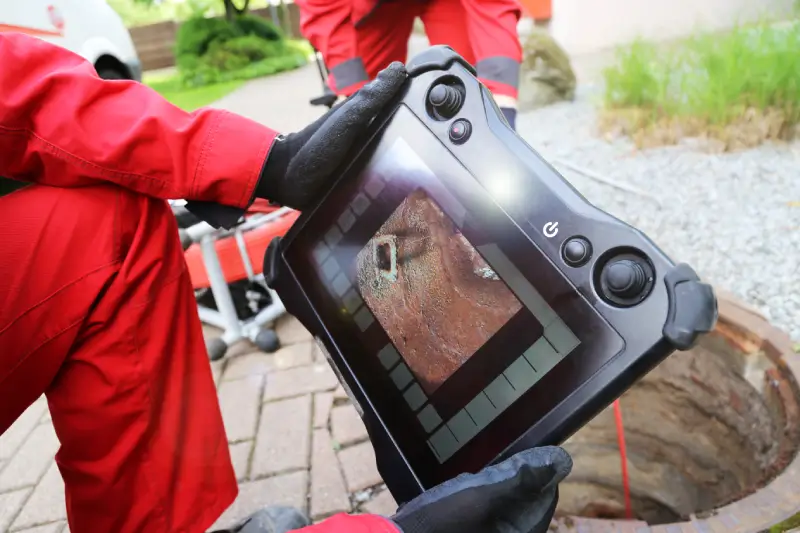
Professional inspection can help determine whether tree roots are affecting the condition of the main line.
Can a Backwater Valve Help Protect Your Home?
Some homes may benefit from installing a backwater valve, a plumbing device designed to help reduce the risk of wastewater flowing backward into the home’s drainage system under certain conditions.
Rather than preventing every type of sewer backup, a backwater valve acts as a protective barrier if wastewater attempts to reverse direction through the sewer line. Whether this type of protection is appropriate depends on the home’s plumbing configuration and local conditions.
A plumber can evaluate whether a backwater valve may be beneficial for your property.
What Should You Do If You Suspect a Sewer Backup?
If you notice signs of a possible sewer backup, acting quickly may help limit further plumbing problems and reduce the risk of wastewater entering your home.
If you suspect a backup:
- Stop using sinks, toilets, and other plumbing fixtures whenever possible
- Avoid running appliances that discharge water, such as washing machines or dishwashers
- Check whether multiple drains are affected, as this may indicate a main line problem rather than an isolated drain clog
- Contact a plumber if wastewater begins backing up into tubs, showers, floor drains, or other fixtures
Continuing to use the plumbing system after a blockage has developed can force additional wastewater into the drainage system, potentially making the problem worse.
When Should You Call a Plumber for a Sewer Backup?
While some drain problems affect only a single fixture, recurring or widespread drainage issues often point to a problem within the main line.
Professional evaluation is recommended if you notice:
- Multiple drains emptying slowly throughout the home
- Sewage backing up into tubs, showers, sinks, or floor drains
- Persistent sewer odors indoors
- Gurgling sounds coming from several drains or toilets
- Drainage problems that repeatedly return after basic drain cleaning
During an evaluation, a plumber can inspect the sewer system, identify potential sewer backup causes such as grease buildup, root intrusion, or pipe deterioration, and determine whether the main line is partially or completely blocked. Once the source of the problem has been identified, appropriate recommendations can be made to restore proper drainage and help reduce the risk of future sewer line backup issues.
Frequently Asked Questions
Can a sewer backup happen even if my drains seem to be working normally?
Yes. Some main line problems develop gradually and may not affect everyday drainage until the blockage becomes severe enough to restrict wastewater flow.
Can flushing “flushable” wipes cause a sewer backup?
Although some wipes are labeled as flushable, they may not break down as easily as toilet paper. Over time, they can contribute to blockages that increase the risk of a sewer line backup.
Is a sewer backup more likely during heavy rain?
Heavy rainfall can increase pressure on some sewer systems. Depending on local conditions and your plumbing system, this may contribute to a sewer backup if wastewater cannot drain away efficiently.
Does homeowners insurance cover sewer backup damage?
Insurance coverage varies by policy. Some homeowners policies require separate coverage for damage related to a sewer backup, so it’s important to review your policy with your insurance provider.
How often should a sewer line be professionally inspected?
The ideal inspection schedule depends on factors such as the age of your plumbing system, nearby trees, previous sewer problems, and the condition of the main line. A plumber can recommend an inspection frequency based on your home’s needs.
Can tree roots grow back after a sewer line has been cleared?
Yes. If the conditions that allowed root intrusion remain, roots may eventually return. Long-term solutions depend on the condition of the sewer pipe and the surrounding landscape.
Will drain cleaners prevent a sewer backup?
Chemical drain cleaners are not designed to prevent a sewer backup caused by a blockage in the main line. They may also be ineffective against issues such as grease buildup or root intrusion.
Can a sewer backup affect only one bathroom?
It can. Depending on where the blockage is located, a sewer backup may initially affect a single bathroom or drain before additional plumbing fixtures begin showing symptoms.
How can I help prevent sewer backups if my home has mature trees?
Trees growing near underground sewer lines may increase the likelihood of root intrusion over time. Periodic plumbing evaluations can help identify developing problems before they lead to a sewer line backup.
Who helps prevent sewer backups in Utah?
If you’re looking for guidance on how to prevent sewer backup, have concerns about sewer backup causes, or need professional evaluation of your main line, Hale Home Services provides plumbing services throughout Utah to help homeowners identify drainage concerns and recommend appropriate plumbing solutions.
