

Why Some Toilet Clogs Are Harder to Clear
A clogged toilet isn’t always caused by the same type of blockage, which is why there’s no single solution that works every time. Learning how to fix a clogged toilet starts with recognizing whether the clog is likely inside the toilet’s trap or deeper within the plumbing system. The location of the blockage often determines which method is most effective.
How to Tell if the Toilet Is Completely Blocked
Before attempting any repair, observe how the toilet behaves after flushing.
A rising bowl water level that drains away slowly often indicates a partial blockage, while water that remains high without draining may suggest a more severe clog. If the bowl is close to overflowing, avoid flushing again until the water level has dropped.
Watching how the toilet responds can help you choose the safest way to proceed.
What to Try After the Plunger Doesn’t Work
If a standard plunger hasn’t cleared the blockage, there are several additional methods that may help clear a clogged toilet before professional service is needed.
Use the Correct Plunger
Not every plunger is designed for toilets. A flange plunger creates a tighter seal around the toilet drain than a flat-bottom sink plunger, allowing pressure to be directed more effectively toward the clog.
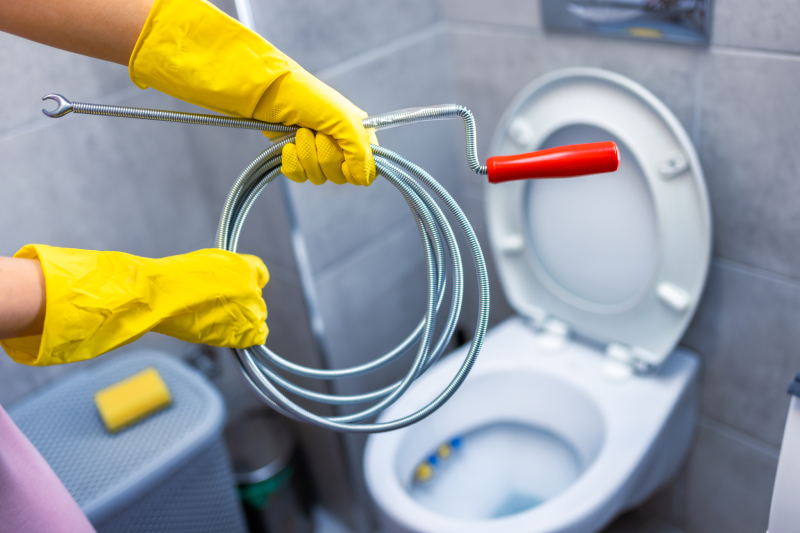
Try a Toilet Auger
A toilet auger is specifically designed to reach farther into the toilet’s internal trap without damaging the porcelain. It can often break apart or retrieve material causing a trap blockage that a plunger cannot reach.
Allow Hot Water and Dish Soap to Work
For some organic blockages, carefully adding dish soap followed by warm—not boiling—water may help soften the obstruction before another attempt is made. This method is intended only for minor clogs and won’t remove every type of blockage.
What Should You Avoid?
Some DIY methods can make a toilet clog more difficult to remove or increase the risk of water damage.
Avoid:
- Flushing repeatedly when the bowl water level is rising. Each additional flush can cause the toilet to overflow if the blockage hasn’t cleared, creating unnecessary cleanup and potential water damage.
- Using excessive force with a plunger or toilet auger. Applying too much pressure can damage the toilet or make it more difficult to remove the blockage safely.
- Pouring harsh chemical drain cleaners into the toilet. Chemical cleaners don’t always remove a stubborn toilet clog and may damage certain plumbing components or make future repairs more difficult.
- Using tools that aren’t designed for toilet drains. Improvised tools can scratch or crack the porcelain and may push the blockage farther into the plumbing system instead of removing it.
- Ignoring recurring toilet clogs after they appear to clear. A clog that repeatedly returns may indicate a trap blockage or a larger drainage issue that requires professional inspection rather than repeated DIY attempts.
Using the right tools and knowing when to stop can help protect both your toilet and the rest of your plumbing system.
When a Toilet Clog May Be a Larger Plumbing Problem
A toilet that clogs repeatedly isn’t always suffering from the same blockage.
If multiple fixtures are draining slowly, other toilets are backing up, or the clog returns soon after being cleared, the issue may extend beyond the toilet itself. A blockage farther down the drain line can produce similar symptoms and may require professional diagnosis.
Understanding whether the clog is isolated or affecting other fixtures helps determine the next step.
When to Talk to a Plumbing Professional
Many toilet clogs can be removed with the proper tools, but some situations require professional equipment and inspection.
Professional service is recommended if:
- You cannot fix a clogged toilet after multiple safe attempts
- A stubborn toilet clog keeps returning
- Water repeatedly rises to the top of the bowl
- Multiple plumbing fixtures are draining slowly
- You suspect a blockage beyond the toilet drain
Hale Home Services provides professional plumbing services throughout Utah, helping homeowners diagnose difficult toilet clogs, clear blocked drain lines, and restore reliable plumbing throughout the home.
How to Help Prevent Future Toilet Clogs
Flush only human waste and toilet paper. Items such as wipes, paper towels, feminine hygiene products, and cotton swabs don’t break down the same way as toilet paper and can contribute to blockages.
Use toilet paper in reasonable amounts. Flushing excessive amounts at once can increase the likelihood of a clog, particularly if drainage is already restricted.
Pay attention to slow flushing. A toilet that empties more slowly than usual may be an early sign of a developing blockage that should be addressed before it worsens.
Avoid repeated flushing if the bowl isn’t draining properly. Waiting for the bowl water level to return to normal can help reduce the risk of an overflow.
Arrange a plumbing inspection if clogs continue returning. Recurring blockages may indicate a trap blockage or another issue deeper within the plumbing system that requires professional diagnosis.
Frequently Asked Questions
Can I fix a clogged toilet without using a plunger?
Yes. Depending on the location of the blockage, you may be able to unclog a toilet without a plunger by using a toilet auger or another toilet-safe method. The most effective approach depends on whether the clog is inside the toilet trap or farther down the drain line.
How can I tell if the clog is inside the toilet or deeper in the drain?
If only one toilet is affected, the blockage is often inside the toilet or its trap. If multiple fixtures begin draining slowly or backing up, the obstruction may extend farther into the home’s drainage system.
Can a toilet auger damage the toilet?
A toilet auger is designed specifically for toilet drains and is less likely to damage porcelain than improvised tools when used correctly. Excessive force or using the wrong equipment can still cause damage.
Why doesn’t hot water always clear a toilet clog?
Warm water may help soften certain organic blockages, but it cannot dissolve every stubborn toilet clog. Objects lodged inside the toilet trap or farther down the drain typically require mech
Can flushing repeatedly make a clogged toilet worse?
Yes. Repeated flushing while the bowl water level is already rising increases the likelihood of the toilet overflowing, which can lead to unnecessary cleanup and water damage.
Can a toilet clog clear itself?
Sometimes a minor clog may clear as toilet paper softens and breaks down. However, if the water remains high in the bowl or the toilet continues backing up, it’s best not to keep flushing and to investigate the cause of the blockage.
Why does my toilet keep clogging even after I clear it?
Recurring clogs may indicate that the blockage hasn’t been completely removed or that another issue exists farther down the drain line. If the same toilet continues clogging, professional inspection can help identify the underlying cause.
Can a clogged toilet indicate a sewer line problem?
Yes. If several plumbing fixtures begin backing up at the same time or toilet clogs occur alongside slow drains elsewhere in the home, the problem may involve the main drain or sewer line rather than the toilet alone.
Will every clogged toilet require professional plumbing service?
No. Many minor toilet clogs can be cleared safely at home. However, repeated blockages, overflowing toilets, or clogs that don’t respond to appropriate tools often require professional diagnosis and repair.
Who can help fix a clogged toilet in Utah?
If you’re unable to clear a clogged toilet or recurring toilet blockages continue, Hale Home Services provides professional plumbing services throughout Utah to diagnose the cause, remove stubborn clogs, and restore reliable drainage.
