

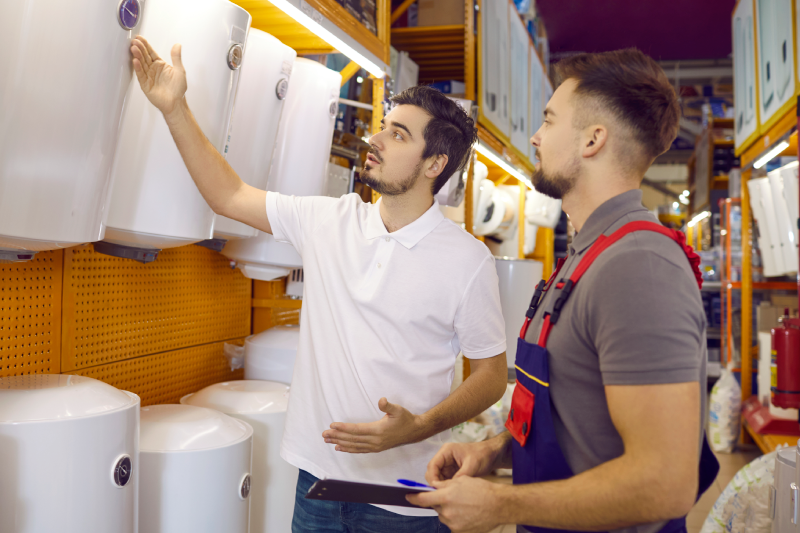
Finding the Right Water Heater Starts With Your Household’s Needs
A new water heater is something most homeowners only shop for a handful of times, making it easy to focus on price or tank size alone. But choosing the wrong system can leave you with inconsistent hot water, higher energy bills, or a unit that’s larger than your household actually needs.
Therefore, the question of how to choose a water heater comes down to understanding the way your family uses hot water each day and selecting a system that’s designed to keep up with that demand.
The right water heater should provide reliable performance today while continuing to meet your household’s needs for years to come.
What Should You Consider When Choosing a Water Heater?
Several factors influence which water heater is the best fit for your home. Looking beyond the purchase price helps ensure the system delivers dependable hot water while operating efficiently.
| What to Consider | Why It Matters |
| Tank capacity | Determines how much hot water is available before reheating begins |
| First hour rating | Estimates how much hot water the unit can deliver during periods of high demand |
| Fuel type | Affects installation requirements, operating costs, and system compatibility |
| Energy factor | Helps compare the overall energy efficiency between different models |
Choosing the right combination of these features often results in better long-term performance than selecting a water heater based on size alone.
Why Tank Size Matters
One of the biggest decisions when choosing a water heater is selecting the right tank capacity.
A tank that’s too small may run out of hot water during busy mornings, while an oversized unit can use more energy than your household requires. The goal is to match the water heater to your family’s typical hot water usage rather than simply buying the largest model available.
What Is First-Hour Rating?
While many homeowners focus on tank size, the first-hour rating is often a better indicator of real-world performance.
This rating estimates how many gallons of hot water a fully heated water heater can supply during one hour of heavy use. Homes with several people showering, running laundry, or using appliances at the same time may benefit from a higher first-hour rating than homes with lower daily demand.
Fuel Type Can Influence Your Options
The available fuel type also plays an important role when selecting a water heater.
Depending on your home, the system may operate using natural gas, electricity, or another approved energy source. Existing utility connections, installation requirements, and operating costs can all influence which type of water heater is the most practical choice.
A plumbing professional can help determine which options are compatible with your home’s existing setup.
Don’t Overlook Energy Efficiency
A water heater operates throughout the year, making efficiency an important part of the buying decision.
The energy factor provides a way to compare how efficiently different models convert energy into hot water. Choosing an efficient unit may help reduce operating costs while still providing reliable performance for your household.
What Size Water Heater Do I Need?
The answer depends on how much hot water your household uses rather than the size of the home itself. Factors that influence include:
- The number of people living in the home
- Peak hot water usage during the day
- The number of bathrooms
- Simultaneous use of showers, dishwashers, and washing machines
A professional evaluation can help match your home’s hot water demand with the appropriate water heater size instead of relying on guesswork.
When to Talk to a Water Heater Professional
Replacing a water heater is an investment that affects your home’s comfort every day. Professional guidance helps ensure the system is properly sized and suited to your household’s needs.
Speak with a licensed plumber if:
- You’re replacing an older water heater.
- You’re unsure which fuel type is best.
- You need help determining tank capacity.
- You want to compare different water heater options.
- You’re deciding the size of the water heater.
The licensed plumbers at Hale Home Services help homeowners throughout Utah select, install, and replace water heaters that provide dependable hot water and long-term efficiency.
Frequently Asked Questions
How do I know which water heater is right for my home?
The best water heater for your home depends on your household’s hot water usage, the number of occupants, available fuel type, and the amount of hot water you typically need during busy times of the day. A professional assessment can help match the system to your home’s needs.
Is a larger water heater always better?
No. A larger tank capacity doesn’t automatically mean better performance. An oversized unit may use more energy than necessary, while an undersized one may struggle to meet your household’s hot water demand.
What is the difference between tank capacity and first-hour rating?
Tank capacity refers to how much water the tank holds, while the first-hour rating estimates how much hot water the unit can deliver during the first hour of heavy use. Both measurements help determine whether a water heater can meet your household’s needs.
What fuel types are available for water heaters?
Most residential water heaters operate using electricity or natural gas, although other fuel type options may be available depending on the property. The best choice often depends on your home’s existing utility connections and installation requirements.
Does a higher energy factor save money?
Generally, yes. A higher energy factor indicates that a water heater uses energy more efficiently, which may help reduce operating costs over the life of the system.
Can I replace my current water heater with a larger one?
Possibly. However, increasing tank capacity may require additional space, plumbing modifications, or changes to venting or utility connections. A plumber can determine whether your existing setup can accommodate a larger unit.
How long should a residential water heater last?
Most traditional tank water heaters have an average lifespan of 8 to 12 years, although longevity depends on water quality, maintenance, and household usage. If your current unit is approaching this age, it may be worth discussing replacement options.
Should I repair my water heater or replace it?
If the unit requires frequent repairs, no longer meets your household’s hot water needs, or is nearing the end of its expected lifespan, replacement may be the more practical long-term solution. A licensed plumber can help you compare your options.
Can hard water affect the performance of a water heater?
Yes. Hard water can lead to mineral buildup inside the tank over time, reducing efficiency and affecting overall performance. Routine maintenance can help extend the life of the water heater.
Who can help me choose a water heater in Utah?
If you’re deciding how to choose a water heater or comparing different models, Hale Home Services provides professional water heater installation and replacement services throughout Utah, helping homeowners select a system that fits their household and hot water needs.
