

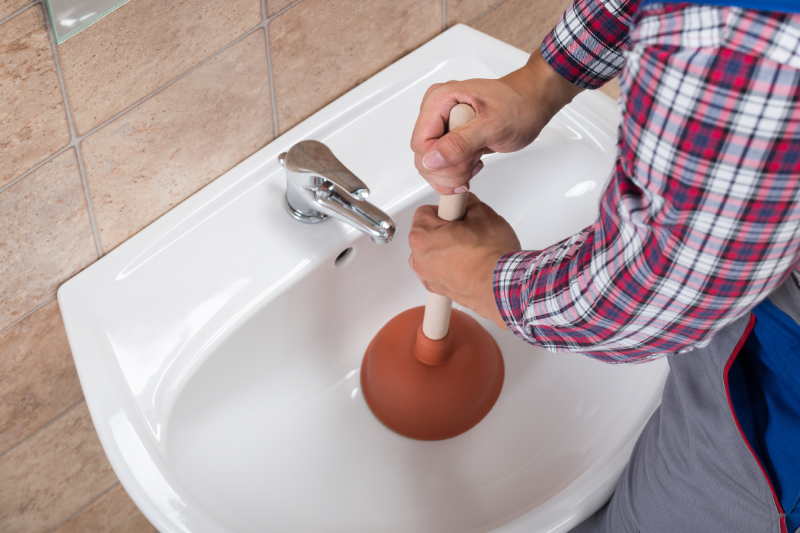
Why Bathroom Sink Drains Clog So Often
A clogged bathroom sink is one of the most common household plumbing problems because bathroom drains collect more than just water. Hair, soap residue, toothpaste, and personal care products gradually build up inside the drain, restricting water flow over time. What begins as a slow bathroom sink drain can eventually become a complete blockage if the buildup isn’t removed.
Recognizing the early signs of a developing clog can make it easier to restore normal drainage before the sink stops draining altogether.
What’s Causing Your Bathroom Sink to Drain Slowly?
A sink that drains slowly doesn’t always have a blockage in the same location. Identifying where debris collects can help determine the most effective way to unclog bathroom sink drains.
Hair Buildup Around the Stopper
Hair buildup is one of the leading causes of bathroom sink clogs. Hair often wraps around the pop-up stopper, trapping soap residue and other debris until water can no longer flow freely through the drain.
Buildup Inside the P-Trap
The P-trap is the curved section of pipe beneath the sink that holds water to prevent sewer gases from entering the home. Because water slows as it passes through this bend, soap residue and debris can gradually collect inside, contributing to restricted drainage.
Blocked Sink Overflow
Many bathroom sinks include a sink overflow, which helps prevent the basin from overflowing if the drain becomes blocked. Soap residue and debris can also accumulate inside this passage, affecting drainage and contributing to unpleasant odors over time.
How to Clear a Bathroom Sink Clog
Before using harsh chemicals, try a few simple methods that may help clear a bathroom sink clog safely.
Clean the Pop-Up Stopper
Remove the pop-up stopper if your sink design allows it and clean away any visible hair buildup or soap residue. This simple step often restores normal drainage when the clog is located near the drain opening.
Check the P-Trap
If the clog isn’t near the top of the drain, the P-trap may contain accumulated debris. Inspecting and cleaning this section can remove material that restricts water flow.
Flush the Drain
After removing visible debris, flush the drain thoroughly with hot water to help wash away loosened soap residue and smaller particles remaining inside the pipe.
Use a Drain Snake if Needed
If the sink continues draining slowly, a small drain snake may help reach debris located deeper inside the drain line without relying on harsh chemical cleaners.
What Should You Avoid?
Some attempts to unclog bathroom sink drains can make the problem more difficult to resolve.
Avoid:
- Pouring harsh chemical drain cleaners into the sink, as they may not remove the entire blockage.
- Forcing objects deep into the drain that aren’t designed for plumbing use.
- Ignoring a slow bathroom sink drain that continues getting worse over time.
- Reassembling the drain before removing all visible debris from the pop-up stopper or P-trap.
- Assuming every clog is located directly beneath the drain opening.
Using the right cleaning method is often more effective than repeatedly treating the symptom instead of the cause.
When a Bathroom Sink Clog May Be a Bigger Plumbing Issue
A clogged sink isn’t always caused by debris inside the sink drain itself. While hair buildup and soap residue account for many bathroom sink clogs, recurring drainage problems can sometimes indicate that the obstruction is located farther down the plumbing system.
Warning signs that the problem may extend beyond a single sink include:
- Multiple fixtures are draining slowly. If the shower, bathtub, or another sink begins draining slowly at the same time, the blockage may be affecting a shared drain line rather than just the bathroom sink.
- The clog returns soon after being cleared. A sink that repeatedly clogs after cleaning the pop-up stopper or P-trap may have a restriction deeper inside the drain system.
- Water backs up when other fixtures are used. If using another plumbing fixture causes water to rise in the bathroom sink, it may indicate that wastewater isn’t moving through the drainage system as it should.
- Unpleasant odors continue after cleaning. Persistent odors may suggest that organic material or standing water is collecting deeper in the drain line rather than near the sink opening.
- Draining has gradually become slower over time. A slow bathroom sink drain that worsens over several weeks or months may indicate that buildup is accumulating beyond the portion of the drain that’s easily accessible.
A professional inspection can determine whether the problem is isolated to the bathroom sink or whether a larger section of the home’s drainage system requires attention, allowing the correct solution to be recommended instead of repeatedly treating the same symptom.
When to Talk to a Plumbing Professional
Many bathroom sink clogs can be removed with routine cleaning, but recurring drainage problems often require professional diagnosis.
Professional service is recommended if:
- You’re unable to unclog a bathroom sink using basic cleaning methods
- Your bathroom sink is still not draining after visible debris has been removed
- A slow bathroom sink drain keeps returning even after you’ve cleared the clog
- Multiple drains throughout your home are draining slowly or backing up
- You suspect the blockage extends beyond the P-trap and into the drain line
Hale Home Services provides professional drain cleaning services throughout Utah, helping homeowners diagnose stubborn sink clogs, restore proper drainage, and keep plumbing systems operating reliably.
How to Help Prevent Future Bathroom Sink Clogs
Regular maintenance can help reduce the likelihood of future sink clogs.
Simple habits that can help include:
- Remove visible hair buildup from the drain regularly before it collects around the pop-up stopper.
- Rinse the sink with hot water after shaving or using products that leave residue behind.
- Clean the sink overflow periodically to help reduce buildup and odors.
- Address a slow bathroom sink drain early before it develops into a complete blockage.
- Schedule a professional drain inspection if clogs continue returning despite routine cleaning.
Frequently Asked Questions
Can a bathroom sink clog clear itself?
Sometimes a minor blockage may loosen as water gradually passes through the drain. However, if the bathroom sink not draining continues or worsens, it’s best to identify and remove the cause rather than waiting for the clog to clear on its own.
Why does my bathroom sink drain slowly even after I remove the hair?
Removing visible hair buildup may improve drainage, but soap residue or debris deeper inside the drain can continue restricting water flow. If the slow bathroom sink drain persists, the clog may be farther down the plumbing system.
Can a drain snake damage my bathroom sink drain?
A small drain snake designed for sink drains can often remove debris safely when used correctly. Using excessive force or larger drain equipment may damage plumbing components or push the blockage farther into the drain.
Can toothpaste and soap really clog a bathroom sink?
Yes. Toothpaste, soap residue, shaving products, and other personal care products can accumulate inside the drain over time. Combined with hair buildup, they can gradually restrict water flow and contribute to a bathroom sink clogged condition.
Why does my bathroom sink smell even after the drain is cleaned?
Persistent odors may indicate residue inside the sink overflow, buildup deeper in the drain line, or another plumbing issue that isn’t visible from the sink opening.
Will hot water remove every sink clog?
No. Hot water may help rinse away loosened residue, but it usually won’t remove compacted hair buildup or larger obstructions that are restricting the drain.
Can a clogged bathroom sink affect other fixtures?
A clog inside one sink usually affects only that fixture. However, if several drains throughout the home begin slowing down or backing up together, the issue may involve a larger section of the drainage system.
Can chemical drain cleaners damage bathroom sink plumbing?
Some harsh chemical drain cleaners may not fully remove the clog and can be unsuitable for certain plumbing materials. If the blockage continues returning, professional drain cleaning is often a safer long-term solution.
Can regular drain cleaning help prevent sink clogs?
Routine drain cleaning helps reduce the accumulation of soap residue, toothpaste, and hair buildup before they develop into a blockage. Regular maintenance can also help identify developing drainage issues earlier.
Who can help clear a bathroom sink clog in Utah?
If you’re unable to clear a bathroom sink clog, your bathroom sink is not draining, or recurring drain problems keep returning, Hale Home Services provides professional drain cleaning services throughout Utah to diagnose the cause and restore reliable drainage.
