
Understanding the Lifespan of Your Home’s Sewer Line
A sewer line is designed to last for decades, which is why most homeowners rarely think about it until drainage problems begin. By that point, many wonder how long a sewer line lasts and whether recurring clogs, slow drains, or sewer backups are simply repair issues or signs that the pipe is reaching the end of its service life.
While no sewer line lasts forever, its lifespan depends on the pipe material, installation quality, surrounding soil conditions, and how well the system has been maintained over the years.
How Long Do Different Sewer Pipes Last?
The expected sewer line lifespan varies depending on the material used when the home was built.
| Pipe Material | Typical Sewer Pipe Life Expectancy |
| Clay pipe | Approximately 50–100 years |
| Cast iron | Approximately 50–100 years |
| PVC piping | 100+ years under normal conditions |
Actual service life may vary depending on installation quality, soil movement, tree root intrusion, maintenance, and overall pipe condition. A professional sewer inspection provides the most accurate assessment of your existing sewer line.
What Can Shorten a Sewer Line’s Lifespan?
Even durable sewer pipes can experience pipe deterioration over time.
Several factors may reduce the life expectancy of a sewer line, including:
Tree root intrusion
Roots naturally seek moisture and can enter small openings in sewer pipes, restricting wastewater flow and contributing to pipe damage over time.
Ground movement or settling
Shifting soil can place stress on underground pipes, causing joints to separate or sections of the sewer line to become misaligned.
Recurring blockages
Frequent clogs may indicate an underlying issue that places additional strain on the sewer line and affects normal drainage.
Corrosion or normal material deterioration
As sewer pipes age, some materials naturally wear down, making them more susceptible to cracks, leaks, or structural failure.
Improper installation
Pipes that weren’t installed correctly may experience premature wear, poor drainage, or connection problems that shorten their service life.
Heavy buildup inside the pipe
Grease, debris, and other deposits can gradually restrict wastewater flow, increasing stress on the plumbing system and making blockages more likely.
Signs Your Sewer Line May Be Nearing the End of Its Life
An aging sewer line doesn’t always fail without warning. As the pipe begins to deteriorate, homeowners may notice changes in how the plumbing system performs.
Common warning signs include:
- Recurring drain backups
- Multiple slow-draining fixtures
- Sewage odors around the property
- Toilets that don’t flush properly
- Frequent sewer line repairs
These symptoms don’t automatically mean replacement is necessary, but they often indicate it’s time for a professional camera inspection.
Does Every Older Sewer Line Need Replacement?
Not necessarily.
Age is only one factor when evaluating sewer line replacement. Some older sewer lines remain in good condition, while newer pipes may develop problems due to shifting soil, root intrusion, or installation issues.
A sewer camera inspection allows plumbers to assess the pipe’s condition before recommending repair or replacement, helping homeowners make informed decisions based on the actual condition of the line rather than its age alone.
When to Call a Professional
If your sewer line has begun experiencing recurring problems, a professional inspection can help determine whether repairs are still practical or if replacement should be considered.
Professional service is recommended if:
- Multiple drains back up regularly.
- Sewer odors continue returning.
- You suspect pipe deterioration.
- The sewer line requires frequent repairs.
- You’re unsure whether your sewer line is nearing the end of its service life.
Hale Home Services provides professional sewer inspections, repairs, and replacement services throughout Utah, helping homeowners evaluate the condition of their sewer lines and recommend the most practical long-term solution.
How a Sewer Camera Inspection Helps
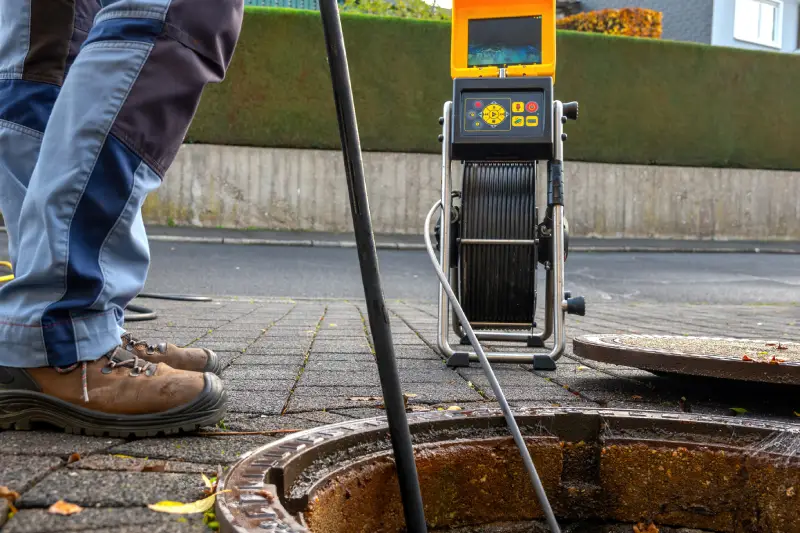
When a sewer line begins showing signs of wear, a camera inspection provides a clear view of what’s happening inside the pipe.
During an inspection, plumbers can identify:
- Structural damage
- Root intrusion
- Pipe deterioration
- Recurring blockages
- Areas that may require monitoring
The findings help homeowners understand the condition of the sewer line and plan future maintenance or repairs with greater confidence.
Frequently Asked Questions
Can a sewer line last longer than its expected lifespan?
Yes. Some sewer lines remain in good condition well beyond their expected sewer line lifespan, particularly when they’re professionally maintained and free from significant structural damage or root intrusion.
How can I find out how old my sewer line is?
Construction records, previous plumbing work, or a professional inspection may help identify the approximate age and material of your sewer line. If those records aren’t available, a plumber can often estimate the pipe’s condition during an inspection.
Does homeowners insurance cover sewer line replacement?
Coverage varies by policy. Some homeowners insurance plans may cover sewer line damage caused by specific events, while deterioration from normal wear or aging is often excluded. Reviewing your policy is the best way to understand your coverage.
Can regular sewer inspections extend the life of a sewer line?
Routine inspections can’t stop a sewer line from aging, but they can identify developing problems before they become more serious, helping homeowners address repairs earlier.
Will every older sewer line eventually need replacement?
Eventually, every sewer line reaches the end of its service life. However, replacement is based on the pipe’s condition rather than its age alone, which is why inspections are often recommended before making that decision.
Can landscaping affect the lifespan of a sewer line?
Yes. Large trees planted close to underground sewer pipes may increase the likelihood of root intrusion over time. Choosing planting locations carefully can help reduce future plumbing problems.
Are sewer line problems more common in older homes?
Older homes may be more likely to have aging sewer materials or pipes that have experienced decades of ground movement and wear. However, newer sewer lines can also develop problems if they’re damaged or improperly installed.
How often should a sewer line be professionally inspected?
Inspection frequency depends on the age of the home, previous sewer problems, and nearby trees. Homes with recurring drainage issues or mature landscaping may benefit from more frequent inspections.
Can I replace only part of my sewer line?
In some situations, yes. If the damage is limited to one section of pipe, a localized repair or partial replacement may be possible. The best approach depends on the overall condition of the sewer line.
Who provides sewer line inspections and replacement services in Utah?
If you’re wondering how long a sewer line lasts or you’re concerned about an aging sewer system, Hale Home Services provides professional sewer inspections, repair, and replacement services throughout Utah to help homeowners make informed decisions about their plumbing systems.