

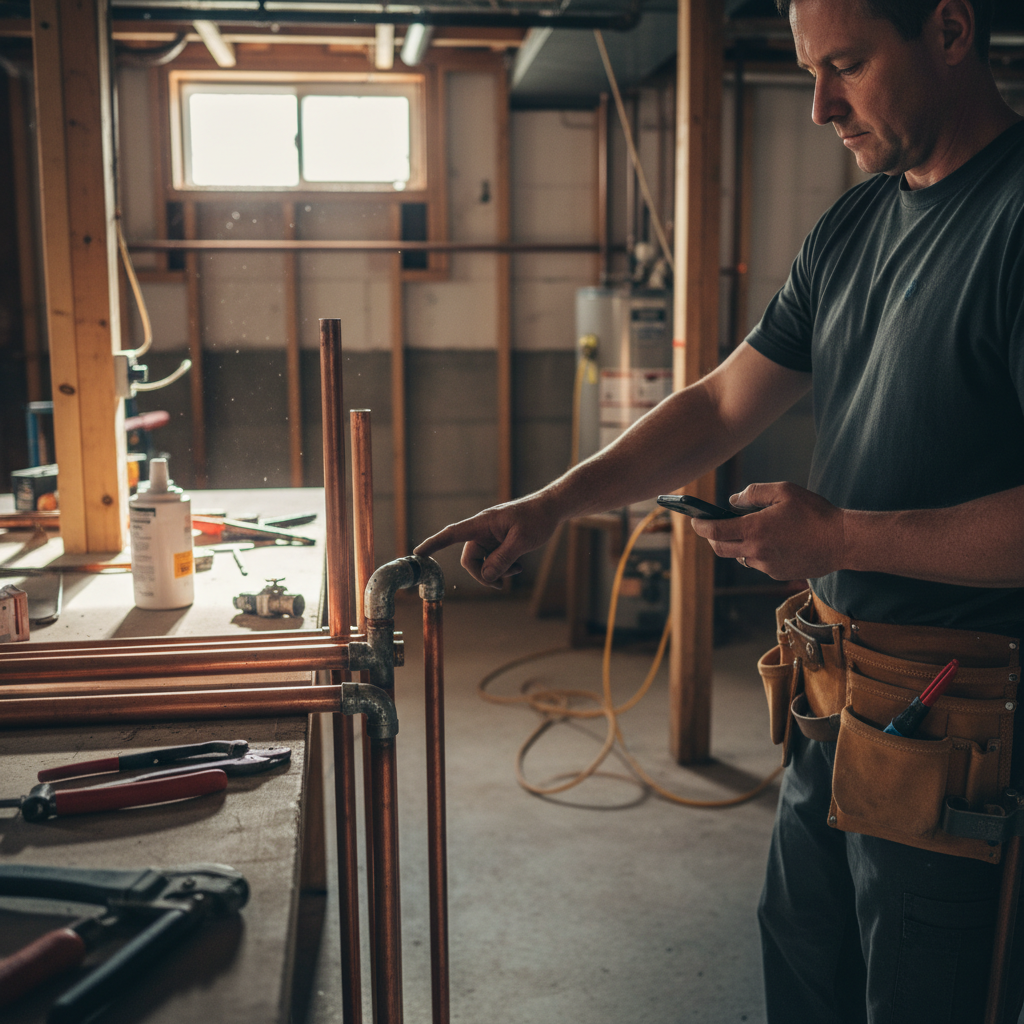
Expert Tips for Selecting the Right Copper Pipes for Plumbing in 2026
Choosing the best copper pipes plays a key role in optimizing the reliability and efficiency of your plumbing system. In Salt Lake City and nearby areas, factors like climate, water quality, and building regulations all influence your decision. As you browse for copper pipes in 2026, it’s important to consider industry trends, performance qualities, and installation expertise. For personalized recommendations and professional service, homeowners can turn to trusted providers such as Hale Home Services’ plumbing experts for guidance on installations and repairs.
Why Copper Pipes Continue to Lead in Residential and Commercial Plumbing
Copper pipes have established a solid reputation for their reliability in residential plumbing and commercial applications. Their long life and resistance to corrosion make them a preferred option for both retrofits and new builds. In recent years, the market has seen fluctuations in copper prices, which impacts both homeowners and plumbers making installation decisions. The durability of copper, combined with its recyclability, further boosts its appeal—even as alternatives like PEX pipes and PEX plumbing emerge in the market.
- Copper pipes resist rust and degradation, offering stable water quality for decades.
- Many municipalities favor copper due to its proven safety and longevity, often factoring into building permits.
- Growth in copper companies and copper stocks is connected to rising demand for sustainable construction materials.
- Copper’s recyclability allows old pipes and scrap to be reclaimed, aiding eco-friendly home improvement projects.
- Pipe cleaner products for copper are readily available, ensuring simple maintenance and long-term reliability.
While innovative materials such as PEX continue to advance, copper pipes remain a premium choice for many situations—especially when resistance to high temperatures and low maintenance are critical.
Types of Copper Pipes for Plumbing Projects
Understanding the differences between copper pipe types and copper fittings is essential before making a purchase decision. The main types used in plumbing are:
- Type K:Thickest wall, suited for underground and outdoor applications
- Type L:Standard for residential plumbing, offering a strong balance of price and durability
- Type M:Thinner, ideal for interior water supply lines but less durable for high-pressure systems
- DWV:Used for drain, waste, and vent applications, not intended for pressurized water lines
Your project’s unique requirements will guide you toward the right choice. Plumbers often recommend Type L for most home renovations due to its longevity and widespread approval by building codes.
Comparing Copper with PEX Pipes: Pros, Cons, and Considerations
Copper is often compared to PEX piping. Each option brings its own set of strengths and limitations. Here’s how they match up:
- Copper pipes are resistant to UV rays and can withstand high water temperatures better than PEX pipes.
- PEX plumbing offers greater flexibility during installation, ideal for tight spaces and complex layouts.
- Copper fittings may require professional soldering, while PEX uses crimp or clamp accessories for faster assembly.
- Pex plumbing materials can be more affordable but may degrade quicker in prolonged sunlight or at extreme temperatures.
- Pex is not a suitable choice where water contamination is a concern, as copper naturally limits microbial growth.
Homeowners often consult with a licensed plumber to balance lifecycle costs, future maintenance, and reliability when selecting materials. Reviewing expert drain cleaning services can also highlight unique considerations for your home’s plumbing design.
Market Factors Impacting Copper Pipe Selection in 2026
The fluctuating cost of copper prices remains an important factor for contractors and homeowners planning renovation or replacement jobs. Reliable plumbing companies monitor copper stocks and forecast market changes to source materials at the best possible rates. Additional influences to consider are:
- Rising demand for copper in construction has driven up prices, causing some projects to consider alternative materials.
- Copper companies focusing on sustainable mining and recycling have helped stabilize the supply chain.
- Scrap copper from demolition or remodeling is reclaimed and reused, reducing waste and overall expense.
- Because recycling efforts have grown, more consumers are considering long-term environmental impacts when choosing plumbing products.
- Choosing products from reputable suppliers protects the reliability and lifespan of copper piping investments.
Consulting professional plumbing installers who are current on copper market movements ensures you receive fair pricing and proven materials for every install or repair.
Criteria for Selecting Premium Copper Pipes for Your Home or Business
Several factors drive smart copper pipe selection:
- Check for certification by industry bodies ensuring the pipe meets local codes and safety standards.
- Assess wall thickness for the application—Type L for general use, Type K for outdoor or underground projects.
- Buy from experienced suppliers or well-rated copper companies to guarantee quality and material origin.
- Review compatibility with existing copper fittings to streamline installation and prevent future leaks.
- Ask your plumber about current copper prices, especially for projects with tight budgets.
Good planning and material choice can help prevent plumbing failures in both residential and commercial settings. The expertise of seasoned professionals like those at Hale Home Services supports successful pipe installations and reliable system operation.
Best Practices for Copper Pipe Installation and Maintenance
Ensuring the long life of your copper pipes depends on high-quality workmanship and ongoing attention to regular maintenance. To extend performance and minimize risk:
- Have copper pipe installation handled by a licensed plumber to ensure code compliance and proper sealing of copper fittings.
- Use appropriate pipe cleaner agents to prevent buildup inside pipes and maintain peak water flow.
- Arrange periodic inspections for early prevention of corrosion or leaks, especially in older homes or areas with hard water.
- Recycling any scrap left after a project both supports eco efforts and can offset costs for future improvements.
- Select copper companies with extensive experience in residential plumbing for both installation and service contracts.
Adhering to these established best practices supports lasting, trouble-free performance in your plumbing system. For prompt service and expert support, explore reliable water heater installation and maintenance options available locally.
Conclusion
Choosing the best copper pipes in 2026 involves balancing durability, cost, and environmental factors unique to your property. Copper’s continued reliability, resistance to corrosion, and recyclability make it a standout choice for both new construction and renovations. As options like PEX grow more common, evaluating long-term value with guidance from a trusted plumber will ensure you meet both current needs and future demands. For expert advice on product selection, installation, and maintenance in the Salt Lake City area, connect with a local trusted plumbing service team .
