

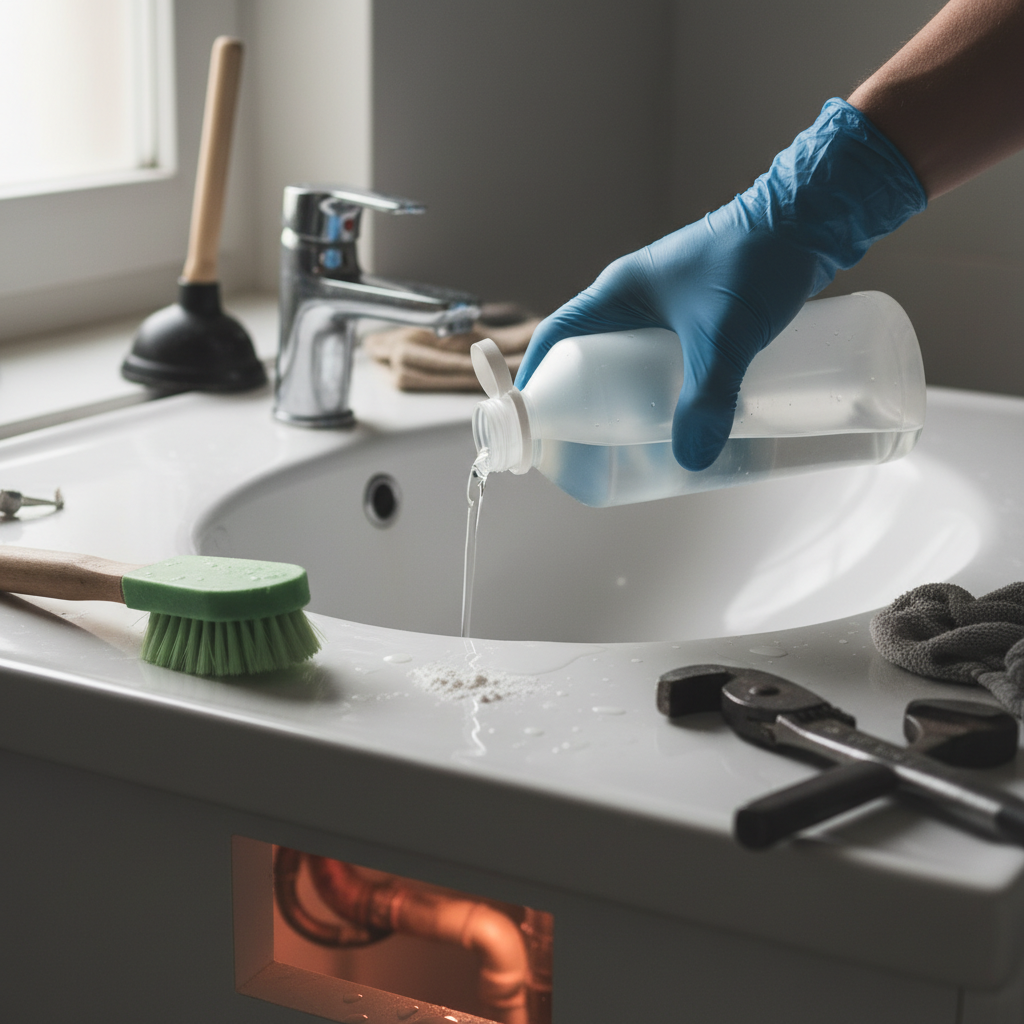
Protecting Copper Pipes While Clearing Tough Drain Clog
Choosing the right drain cleaner for copper pipes matters if you want to clear a slow sink without shortening the life of your plumbing. The safest approach combines mild products, the right cleaning tool, and smart maintenance so you protect every sink drain in your home.
For Salt Lake City homeowners, a professional plumber can help you match a clog remover to your specific system, especially where older copper lines and the main sewer line meet. The team at Hale Home Services understands local water conditions, which is essential when selecting cleaning supplies and methods that keep copper in good condition.
Safe Ways To Clean Copper Pipe Drains
When you need a drain cleaner for copper pipes, start with non corrosive formulas that are labeled as safe for metal and residential plumbing. If you prefer tools, a flexible pipe brush or cleaner brush lets you scrub the inside of a sink trap gently without scratching the metal. Many homeowners also keep a small cleaning brush near the kitchen sink so they can quickly clear food at the sink drain before it hardens. For harder buildup, a hand operated pipe reamer or similar cleaning tool can help smooth rough edges that tend to catch debris inside old copper lines.
If you are unsure which solution is best, a licensed plumber from Hale Home Services drain cleaning can inspect your copper runs before recommending any clog remover. They may pair mild liquid products with a low torque Machine designed for indoor lines, which is far safer for copper than aggressive industrial equipment. When work extends toward the sewer line, professionals choose attachments such as a pipe brush that scrub without gouging fittings. This approach keeps your copper plumbing clear while avoiding the hidden damage harsh chemicals and heavy tools can cause.
Tools, Products, And Techniques To Avoid Damage
Many big box retailers, including Home Depot, sell a wide range of cleaning supplies, so it helps to know what to look for when you shop. Avoid generic drain cleaner options that do not clearly state they are suitable for copper pipes, and never mix products in the same sink. In most homes, simple tools like a cleaning brush, a compact pipe cutter for removing bad sections, and a basic cleaner brush for the sink are enough for routine care. Specialty brands such as Blue monster and Power deuce tools are often used by pros, but they still need skilled hands to protect copper and the connected sewer line.
For tricky clogs, calling the experts at Hale Home Services plumbing is usually safer than forcing a powerful Machine through your fixtures. A trained technician can decide when to use a pipe reamer, when a pipe brush is enough, and when a partial pipe cutter repair will prevent future blockages. They also check every affected sink to be sure no debris remains at the sink drain, which keeps the blockage from returning. If inspection hints at a larger problem downstream, they may suggest further evaluation or related services found on the sewer services page.
Conclusion
Keeping copper pipes healthy while clearing clogs is all about choosing a gentle drain cleaner, pairing it with the right cleaning tool, and avoiding harsh shortcuts. When you combine careful use of a cleaner brush or pipe brush with periodic professional maintenance, your sinks, drains, and sewer line stay in better shape for years. If you are unsure which clog remover or tool is safe for your system, the licensed plumbers at Hale Home Services can walk you through the best options. To schedule local help or learn more about tailored drain cleaning approaches, visit their contact page today.
